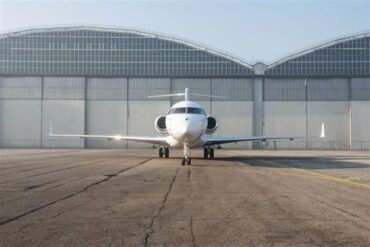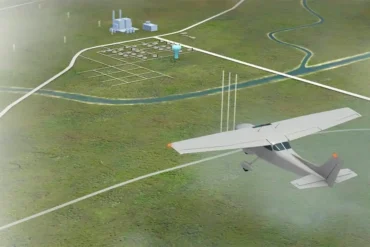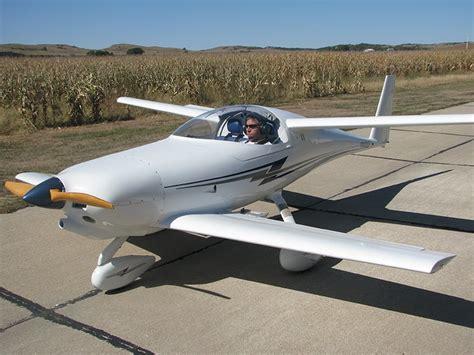
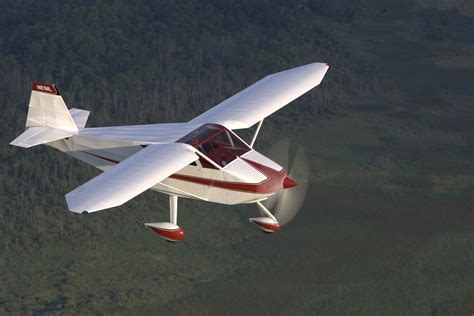
Homebuilt aircraft, also known as amateur-built or kit planes, have become a significant part of the aviation world, allowing aviation enthusiasts to build and fly their own aircraft. These aircraft are constructed by individuals who are not professional engineers or manufacturers. They are often built from scratch, plans, or kits, and are licensed under Experimental regulations in countries like the United States, Brazil, Australia, and New Zealand. The rise in popularity of homebuilt aircraft has been influenced by factors like technological advancements, material innovations, and a growing DIY culture in aviation. This article delves into the history, construction, safety, and future of homebuilt aircraft, shedding light on why they have captivated aviation enthusiasts for over a century.
The History and Evolution of Homebuilt Aircraft
The tradition of homebuilding aircraft dates back to the early days of aviation. One of the first significant milestones in amateur aviation was the publication of construction plans by Brazilian aviation pioneer Alberto Santos-Dumont in 1910, which featured his Demoiselle aircraft. This marked the first time that detailed plans for building an aircraft were made publicly available, paving the way for the concept of amateur-built planes.
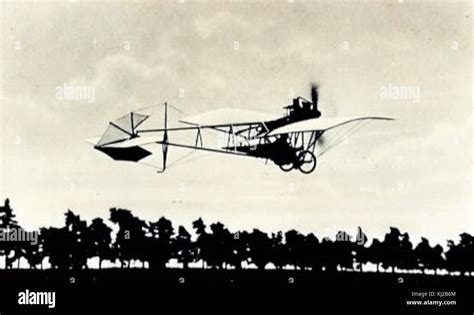
In the late 1920s, the Baby Ace became the first aircraft to be offered as plans for sale, rather than a fully constructed airframe. This move laid the foundation for future homebuilt aircraft that could be constructed by non-professionals. As the popularity of homebuilding soared, particularly in the United States, the National Air Races of the 1920s encouraged enthusiasts to build small aircraft for competitive racing. These races, which had specific class limitations, required aircraft with small engines and lightweight structures, which were often built by amateurs. The years following Charles Lindbergh’s transatlantic flight in 1927 further fueled the growth of amateur aviation.
While the 1930s saw increased regulation of amateur aircraft due to a rising number of accidents, the end of World War II ushered in a new era for homebuilt aircraft. The National Air Races were revived in 1946, and the midget racer class became a popular avenue for amateur builders. By the mid-1950s, Canada and the U.S. had implemented regulations that allowed homebuilt aircraft to be constructed under certain guidelines and limitations.
Types of Homebuilt Aircraft
The construction of homebuilt aircraft spans a wide range of materials and designs, with builders using everything from traditional wood-and-fabric techniques to modern composite and metal methods. Each construction method offers unique advantages, and the choice of materials often depends on factors like cost, availability, and builder preference.
Wood and Fabric Construction
The oldest method of homebuilt aircraft construction involves wooden frames covered with fabric. This technique was used in the early days of aviation and remains popular due to its simplicity and cost-effectiveness. Sitka spruce and Douglas fir are commonly used for the wooden structure, as these materials offer an excellent strength-to-weight ratio. Builders typically join wooden members using epoxy adhesive, and the aircraft is then covered with aircraft-grade polyester fabric.
This method allows for easy repairs and modifications, making it an ideal choice for DIY builders. Notable examples of wood-and-fabric designs include the Pietenpol Air Camper and the Bowers Fly Baby.
Metal Construction
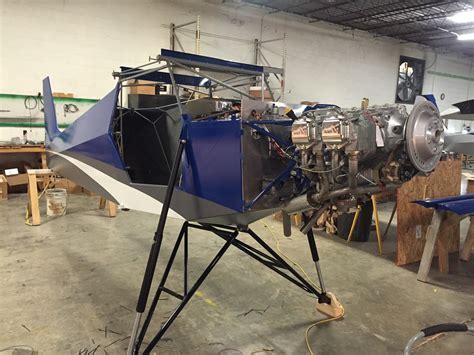
Metal homebuilt aircraft, such as those made from sheet aluminum or welded steel tube, are another popular choice among amateur builders. This construction technique requires more specialized tools, such as metal-cutting and riveting equipment. However, quick-build kits are available, which allow builders to skip the most labor-intensive steps of shaping and cutting metal components.
The most well-known metal homebuilt aircraft are the RV series from Van’s Aircraft, which includes models like the RV-4, RV-8, and RV-10. These aircraft are renowned for their performance and ease of construction. Other examples include the Murphy Moose and the Zenith CH601 Zodiac.
Composite Construction
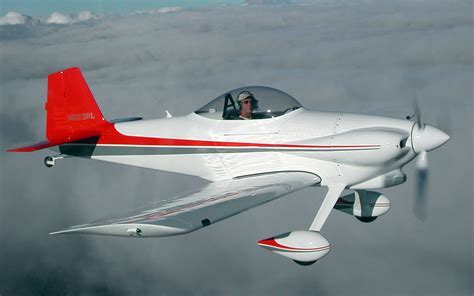
In recent decades, the use of composite materials like fiberglass, carbon fiber, and Kevlar has become increasingly common in homebuilt aircraft. These materials offer superior strength-to-weight ratios compared to metal and wood, while also allowing for smoother, more aerodynamically efficient designs.
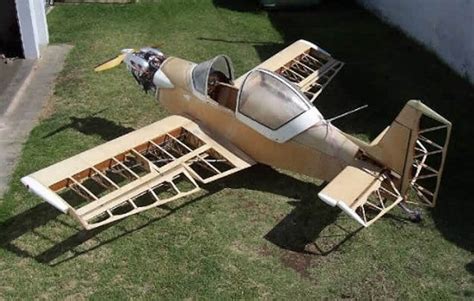
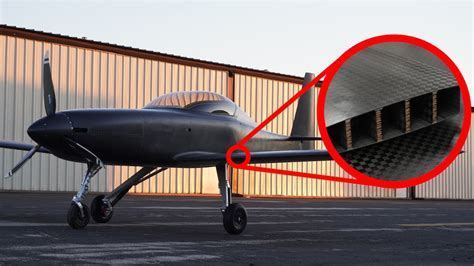
The composite construction method involves moulding or mouldless techniques. In moulded composite aircraft, major structures like wing skins and fuselage halves are pre-formed in moulds and then cured. In contrast, mouldless composite construction involves carving foam shapes and covering them with fiberglass or carbon fiber layers.
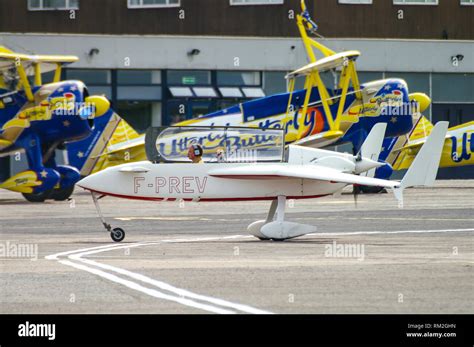
One of the most famous composite homebuilt designs is the VariEze by Burt Rutan, which introduced the canard design to amateur aviation. Other popular composite models include the Cirrus VK-30 and the Glasair III.
Engines for Homebuilt Aircraft
Choosing the right engine is one of the most crucial decisions for homebuilt aircraft builders. In many cases, builders opt for certified aircraft engines like those made by Lycoming and Continental, as these engines offer reliability and performance. However, some builders prefer to use automobile engines, as they are more affordable and readily available.
Common automotive engines used in homebuilt aircraft include the Volkswagen air-cooled flat-4, the Mazda Wankel rotary engine, and Subaru-based liquid-cooled engines. While these engines may not match certified aircraft engines in performance, they can be more cost-effective and easier to maintain.
Safety and Regulations
While homebuilt aircraft offer many benefits, they also come with certain risks. In the United States, for example, amateur-built aircraft have historically experienced an accident rate higher than that of certified aircraft. According to the National Transportation Safety Board (NTSB), homebuilt aircraft in the U.S. had an accident rate three to four times higher than the general aviation fleet.
Several factors contribute to this elevated risk, including the lack of experience among builders, the use of non-certified parts, and the limited flight testing of some homebuilt aircraft. The first flight of a homebuilt aircraft is often the riskiest, with a significant number of accidents occurring during this stage.
To mitigate these risks, regulations have been put in place to ensure that homebuilt aircraft undergo thorough testing and certification processes. In many countries, builders are required to label their aircraft as amateur-built and undergo additional flight testing before allowing non-pilot passengers to board. Additionally, many homebuilders seek out flight instruction to ensure that they are adequately trained to operate their aircraft safely.
The Future of Homebuilt Aircraft
The future of homebuilt aircraft is shaped by both technological advancements and changing market trends. In recent years, there has been a growing interest in electric-powered aircraft, as battery technology continues to improve. While it is still early in the development of electric homebuilt aircraft, the potential for low-cost, environmentally friendly aviation is significant.
Another emerging trend is the rise of motorgliders, which combine the efficiency of gliders with the performance of powered aircraft. These aircraft, which are well-suited for long-range and low-powered flight, could become increasingly popular as fuel prices rise.
However, despite these innovations, the homebuilt aircraft industry faces challenges. Builders in many countries are aging, and there is a growing concern about the shrinking pilot base and the diminishing interest in aircraft building as a hobby. Nevertheless, organizations like the Experimental Aircraft Association (EAA) continue to encourage interest in homebuilt aviation through events like EAA AirVenture Oshkosh.
Conclusion
Homebuilt aircraft represent a rich tradition of innovation, self-reliance, and passion for aviation. From the early days of Santos-Dumont’s Demoiselle to the modern, high-performance designs of builders like Burt Rutan, amateur-built aircraft have shaped the way we think about personal aviation. While safety concerns and regulatory challenges remain, the future of homebuilt aircraft looks bright, with new technologies and materials paving the way for more efficient, cost-effective, and environmentally friendly aircraft. As we continue to push the boundaries of what is possible, homebuilt aircraft will remain an important part of the aviation landscape.