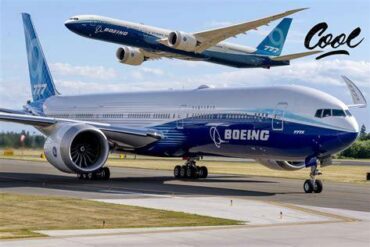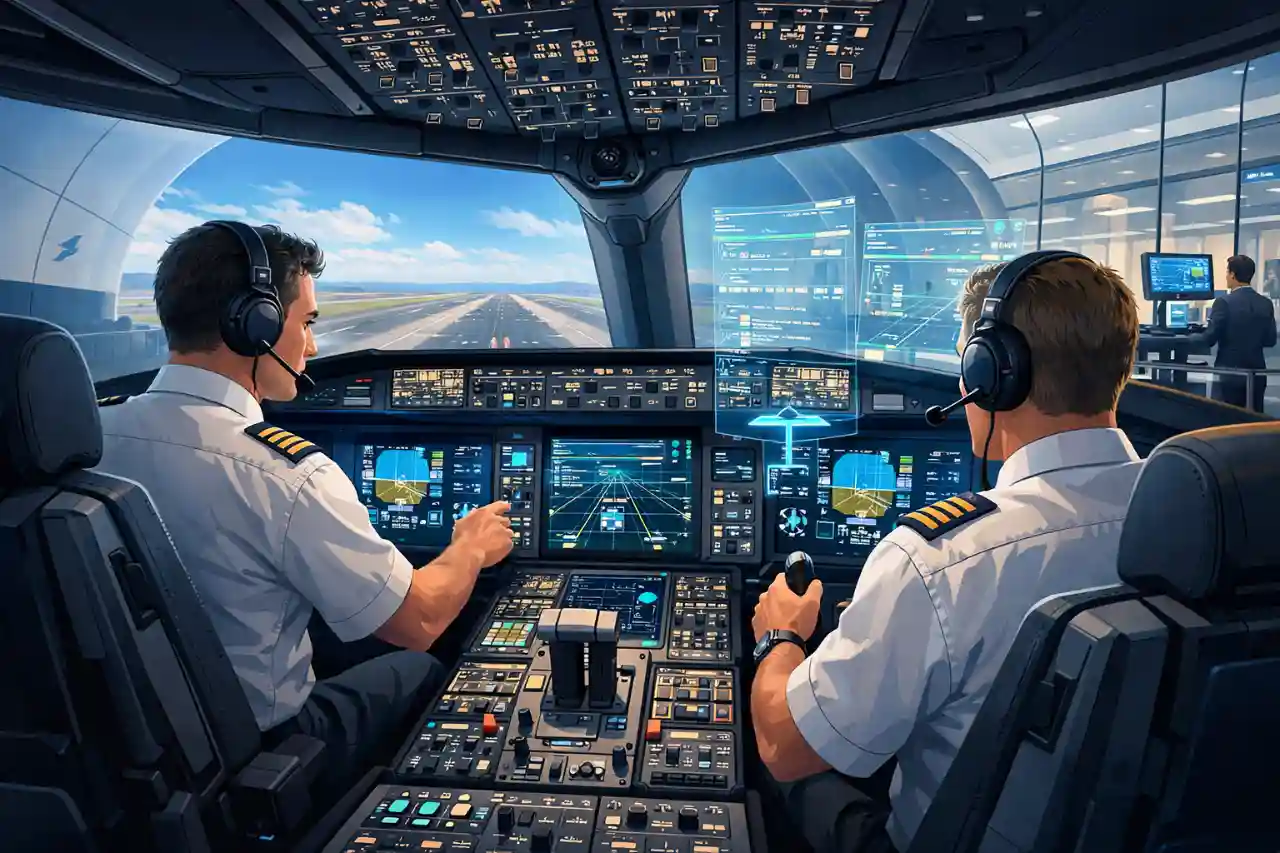
The arrival of the Boeing 777X marks a pivotal moment in commercial aviation. As the most advanced version of the 777 series, this aircraft introduces a host of technological innovations and cockpit changes that airlines must carefully integrate into their pilot training programs. These adjustments are not mere cosmetic upgrades—they represent a paradigm shift in how pilots will engage with Boeing’s flagship widebody. The implications for training are profound, and airlines across the globe are preparing to meet the challenge with a renewed focus on safety, technology, and immersive learning.
A New Era Demands A New Approach To Pilot Training
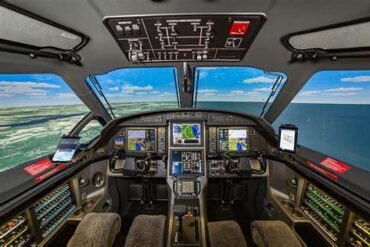
The Boeing 777X, particularly the 777-9 and 777-8 variants, brings forward a dramatically modernized cockpit, incorporating elements from the 787 Dreamliner. Larger high-resolution displays, streamlined control systems, and advanced flight management software create a more integrated and digital flight deck environment. For pilots transitioning from earlier 777 models, these changes are both familiar and disruptive—requiring more than a quick review session to master.
Unlike earlier 777 upgrades that preserved cockpit continuity, the 777X demands hands-on adaptation. With its folding wingtips and updated avionics suite, the aircraft is not a simple derivative but a technologically evolved platform. Therefore, pilot training must address these innovations head-on, emphasizing procedural comprehension and situational readiness.
Traditional Type Rating Meets Modern Complexity
The standard approach to aircraft type rating remains foundational. Pilots undergo a multi-phase process that begins with ground school, where they study systems, operational procedures, and aircraft performance. This theoretical base is then transferred into simulator-based training, where they gain practical exposure to both routine and emergency scenarios.
In the case of the 777X, this process will be enhanced and extended. The digital sophistication of the flight deck means pilots must not only understand how the systems function but also how they communicate with one another. The cockpit resource management (CRM) strategies that were sufficient for the 777-200 or 777-300 will require substantial recalibration.
Lessons Learned From The 737 MAX Crisis
The aviation industry has learned hard lessons from the 737 MAX introduction, where over-reliance on computer-based training and a lack of simulator time led to tragic consequences. Initially, Boeing had positioned the MAX as an aircraft that could be flown with minimal retraining for existing 737 NG pilots. The decision to forgo simulator training for transition was seen as a cost-saving measure—but it ultimately exposed pilots to unfamiliar systems with insufficient preparation.
In response, regulators now demand a more rigorous and comprehensive training regimen. For the 777X, this means pilots will undergo full-motion simulator checks, abnormal event rehearsals, and multi-phase practical training. The days of screen-only conversion are over, replaced by layered, tactile learning experiences that emphasize system behavior, failure modes, and human-machine interaction.
Regulatory Pressure And Conservative Certification Paths
With the 777X still awaiting final certification and first deliveries pushed to 2027, the training focus remains largely preparatory. Yet, regulators such as the FAA and EASA are already shaping how the training pipeline must evolve. Post-MAX scrutiny ensures that the 777X’s introduction will be met with zero tolerance for shortcuts.
Training standards will likely require pilots, even those with thousands of hours on legacy 777s, to complete scenario-based simulator missions before flying the 777X. These simulations will cover all facets of operation—from standard taxi procedures with folding wingtips to in-flight system reboots and crosswind landings. Airlines will need to integrate dedicated 777X full-motion simulators into their training hubs to accommodate this demand.
Emirates, Qatar Airways & Lufthansa: Training On The Frontlines
With Emirates holding over 200 orders for the 777X, it will likely serve as a global training leader. The carrier has historically maintained its own internal flight training academies and simulation centers and is expected to develop a 777X-specific syllabus in collaboration with Boeing. Similarly, Qatar Airways, Lufthansa, and Singapore Airlines—other major customers—will be among the first to roll out structured 777X training programs.
These carriers are already engaging with Boeing’s training teams to ensure alignment on curriculum, device fidelity, and instructor readiness. Expect to see early train-the-trainer programs, where experienced instructors themselves complete 777X conversion training before cascading knowledge to broader pilot groups.
Inside The Cockpit: What’s New For Pilots?
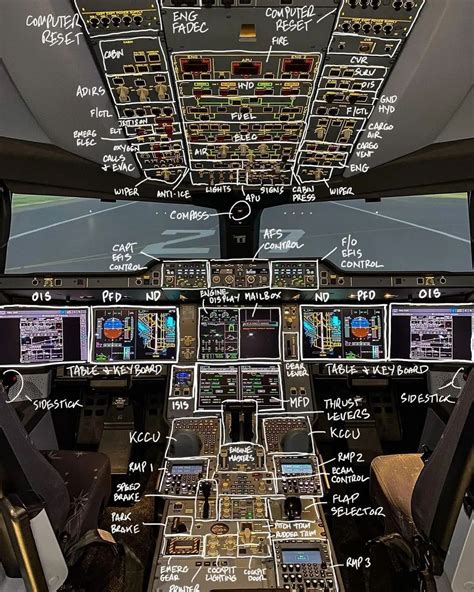
The 777X cockpit reflects Boeing’s ambition to create commonality across its widebody fleet. It features:
- Full digital Primary Flight Displays (PFDs) and Multi-Function Displays (MFDs)
- Redesigned overhead panels with intuitive logic layouts
- Enhanced Flight Management Systems (FMS) integrating more automation and predictive analytics
- Electronic checklists and synoptic displays to streamline emergency response
This environment is optimized for next-gen avionics thinking, meaning pilots must shift from analog habits to information-driven decision making. The experience may feel familiar to 787 crews, but for traditional 777 pilots, the learning curve will be tangible.
The Role Of Microsoft Flight Simulator In Pilot Training
In an industry-first, Boeing has introduced the Virtual Airplane Procedures Trainer, a professional-grade tool built using Microsoft Flight Simulator (MSFS) and Microsoft Azure. Unlike conventional simulators that require dedicated hardware and full-time scheduling, this solution allows for on-demand procedural rehearsal through mobile devices and tablets.
Pilots can practice flow patterns, system checks, and cockpit workflows during layovers or personal downtime, dramatically improving learning retention. It reduces pressure on full-motion simulator slots, allowing airlines to reserve those premium assets for check-rides and complex scenario rehearsals.
This new platform embodies the philosophy of “learning everywhere” and gives pilots a virtual sandbox to explore cockpit procedures at their own pace. Though it won’t replace certified simulators, it plays a critical role in supplementary training.
Transition Paths: From Legacy 777s Or Other Fleets
Pilots moving from previous 777 variants will likely follow a delta qualification path—a condensed course focused on system differences and operational nuances. This will still involve significant simulator time and ground training due to the 777X’s upgraded avionics and structural changes.
Meanwhile, pilots transitioning from Airbus fleets, regional jets, or narrowbodies will undergo a full type rating program. This comprehensive approach involves multiple phases:
- Ground School (theory, systems, procedures)
- Flight Training Device (FTD) sessions for flow familiarization
- Full Flight Simulator (FFS) training for normal and abnormal scenarios
- Final check-ride and line indoctrination flights with experienced instructors
Boeing’s Training Philosophy Post-737 MAX
Boeing has shifted its entire approach to pilot training. The company is now far more transparent with regulators and airline partners, offering early access to simulator software and systems documentation. This pre-emptive strategy helps airlines tailor training materials, develop SOPs (Standard Operating Procedures), and build internal knowledge before aircraft deliveries begin.
Key tenets of this updated philosophy include:
- Proactive collaboration with regulators
- Development of multi-platform training ecosystems
- Emphasis on human factors and pilot cognitive workload
- Training standardization across airline alliances
This strategic evolution is not just about compliance—it’s about restoring confidence in Boeing as a training partner. The 777X is a new proving ground for this philosophy.
Challenges Ahead: Certification Before Simulation
Despite robust training frameworks, the 777X’s biggest hurdle remains certification delays. Until regulators grant final approval, training remains largely notional. Airlines can prepare infrastructure, draft curriculums, and train instructors—but simulator training and final pilot checkouts cannot proceed until the aircraft is officially cleared.
Boeing has built over 20 777X units that currently sit parked, waiting for certification milestones. Only after those are achieved will customer airlines begin the full transition to operational readiness. When that happens, expect a flurry of simulator activity, instructor deployments, and procedural dry-runs.
The Future Of Widebody Training Starts Now
The introduction of the Boeing 777X is more than a fleet upgrade—it’s a new benchmark in pilot training and operational complexity. Airlines must balance legacy familiarity with future-focused learning. From cutting-edge simulators to mobile training tools, every aspect of pilot readiness is being reimagined.
Training for the 777X will be immersive, detailed, and iterative—because it has to be. The aviation world is watching, and both airlines and Boeing have a shared responsibility to ensure every crew member is flawlessly prepared to command the skies in the world’s most advanced twin-engine jet.