Auxiliary Power Units (APUs) are the unsung workhorses of modern aviation, delivering critical electrical power and bleed air when main engines are offline. While their role is secondary to propulsion, their operational patterns are anything but trivial. The duration of APU operation is influenced by a complex web of environmental conditions, operational demands, and aircraft maintenance philosophy. There is no universal answer to how long they should or are typically run — but across fleets and climates, their operational timelines range from mere minutes to continuous multi-day cycles.
Understanding the Core Purpose of an APU
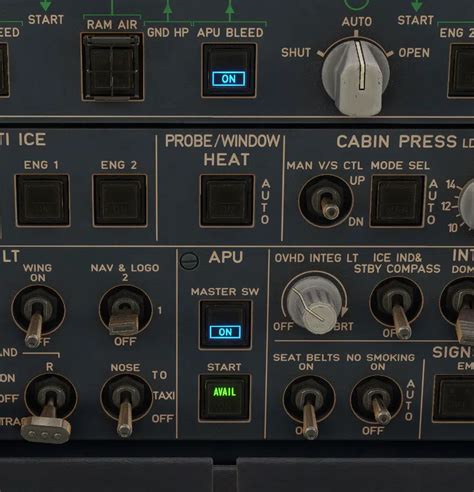
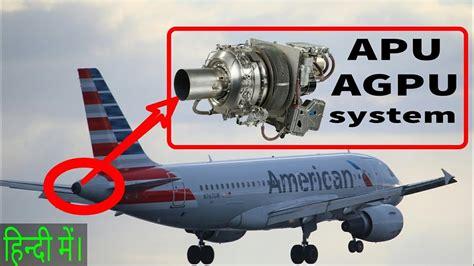
The APU is essentially a small gas turbine engine, usually located in the tailcone of an aircraft. Its primary function is to provide electrical power, air conditioning, and engine start capability while the aircraft is on the ground. In some aircraft and under specific conditions, APUs are even certified to be used in-flight, particularly for ETOPS operations where redundancy is paramount.
A typical APU consists of a load compressor, gas generator, and accessory gearbox, designed to deliver energy to vital systems. The APU’s design is robust — many are engineered to run at 99–100% RPM during operation, with a tightly managed fuel control unit (FCU) and electronic control unit (ECU) maintaining efficiency and safety.
Operational Durations: Context is King
The phrase “how long are APUs typically operated for?” has no one-size-fits-all answer. Operators across the globe use APUs in radically different ways based on climate, aircraft type, maintenance logistics, and airport infrastructure availability. For some, it’s a ten-minute startup routine. For others, it’s a 36-hour continuous runtime across an arctic maintenance window.
In cold weather climates, such as Northern Canada or Arctic bases, APUs may run continuously for days to prevent freezing systems. Potable water lines, avionics bays, and cabin environments all depend on heat — something that APUs can consistently provide when ground heaters are insufficient or unavailable. Thermal cycling concerns — common in propulsion engines — are minimized due to the APU’s rugged architecture.
Conversely, in hot environments like the Middle East or Southern U.S., APUs are routinely used during boarding and maintenance to run environmental packs and keep the cabin cool when external air sources are not feasible. In these scenarios, APUs are essential for passenger comfort, and their runtime can span from 30 minutes to several hours depending on flight delays and turnaround schedules.
High-Cycle vs. Long-Duration Operations
Some regional operators report 12 or more start-stop cycles per day per aircraft. These high-cycle patterns can stress components, particularly starter motors and bleed valves, but APUs are engineered to handle such loads. With over 50,000 cycles recorded on some commercial APUs before overhaul, the systems show remarkable resilience.
Maintenance professionals have observed:
- 30,000–50,000 operating hours on APUs before major overhaul.
- Operational events where APUs run non-stop overnight during ground maintenance or cargo loading.
- Cycles triggered not by operational need but maintenance schedules or Minimum Equipment List (MEL) requirements, such as backup power provisioning in case of inoperative engine-driven generators.
Maintenance Implications of Long APU Runtime
Every APU comes with a scheduled maintenance program — including hot section inspections, oil sampling, cycle tracking, and time-between-overhaul (TBO) limits. The operational profile significantly affects wear. High runtime hours increase thermal stress and oil degradation, while high cycle counts affect starter and ignition systems.
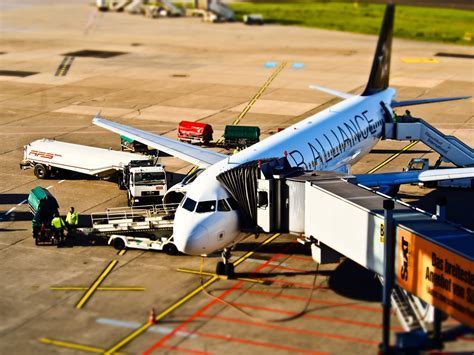
Mechanics often face logistical challenges when long APU runtime is needed due to lack of external power, jet bridge GPU failures, or remote stand operations. In these cases, keeping the APU on is not a luxury — it’s an operational necessity.
Despite being built robustly, abuse still occurs. Examples include:
- Activating bleed air immediately after APU start, without allowing proper thermal stabilization.
- Running the APU with faulty load management systems, risking over-temperature conditions.
- Extended operation in de-icing environments, where fluid ingestion can cause compressor fouling or internal corrosion, especially on aircraft like the Dash 8 Q400, notorious for poor APU intake placement.
Aircraft Type Matters: Not All APUs Are Equal
Different aircraft have different APU capabilities and operational restrictions. For instance:
- Gulfstream jets often see longer APU runtimes than their engines.
- The C130H military transport APU has been noted for poor reliability compared to commercial types.
- The Eurofighter Typhoon APU is reportedly limited to 2-hour operational windows, possibly due to early overheating issues.
- Some 737-based P-8A aircraft recommend a 2-minute wait post-start before enabling bleed air.
On the other hand, some APUs, such as those on the Chinook, have been run for 8–10 hours straight for both troubleshooting and environmental heating.
Environmental Challenges & Runtime Justification
Extreme environmental factors continue to dictate APU usage patterns:
- Winter operations demand constant APU engagement to prevent freezing of hydraulics, water systems, and avionics.
- Windy conditions or fragile ground air connectors may prevent the use of ground power units, defaulting to the APU as the sole energy source.
- Remote operations at charter bases or forward airfields often lack infrastructure, making APU runtime indefinite.
In several cases, operators let APUs run not because of immediate necessity but due to procedural delays — extended gate holds, long cargo loading, or unavailable maintenance crew to monitor shutdown protocols.
Flight Usage & MEL Dependence
Although most APUs are designed for ground use, many aircraft are approved to operate their APU in-flight under specific MEL or ETOPS requirements. In some situations, the APU must be started before takeoff and kept running throughout the flight to serve as backup electrical or pneumatic power.
This is particularly true when:
- Engine-driven generators are inoperative.
- The aircraft is conducting ETOPS flights, requiring alternate redundancy.
- Cabin pressurization or air conditioning requires supplementation.
In such cases, 10+ hour continuous flights with the APU online are not unusual, provided fuel and performance parameters are met.
Fuel & Noise Considerations in APU Operation
One of the main reasons operators limit APU use is fuel consumption. While relatively efficient, APUs still burn significant amounts of Jet-A, and overuse can materially impact fuel budgeting.
Additionally, noise abatement procedures at certain airports or regions restrict APU operation to limited timeframes before departure. This often means shutting it down shortly after gate arrival and restarting only 30 minutes before pushback — unless cabin comfort or safety conditions require earlier activation.
However, when no Ground Power Unit (GPU) or Preconditioned Air Unit (PCA) is available, the APU remains the only practical source of aircraft support.
Conclusion: The Workhorse Behind the Scenes
APUs operate with a flexibility and endurance that reflect their critical role in modern aviation. From ten-minute startup sequences to multi-day heating support, they are rugged, indispensable systems capable of meeting dynamic operational demands. Their runtime is dictated not by design limitations but by environmental conditions, operational procedures, and airline philosophy. Maintenance considerations and fuel logistics remain crucial, but reliability statistics suggest that modern APUs are truly engineered to go the distance — whether that’s a dozen daily cycles, an overnight shift, or an entire transoceanic flight.