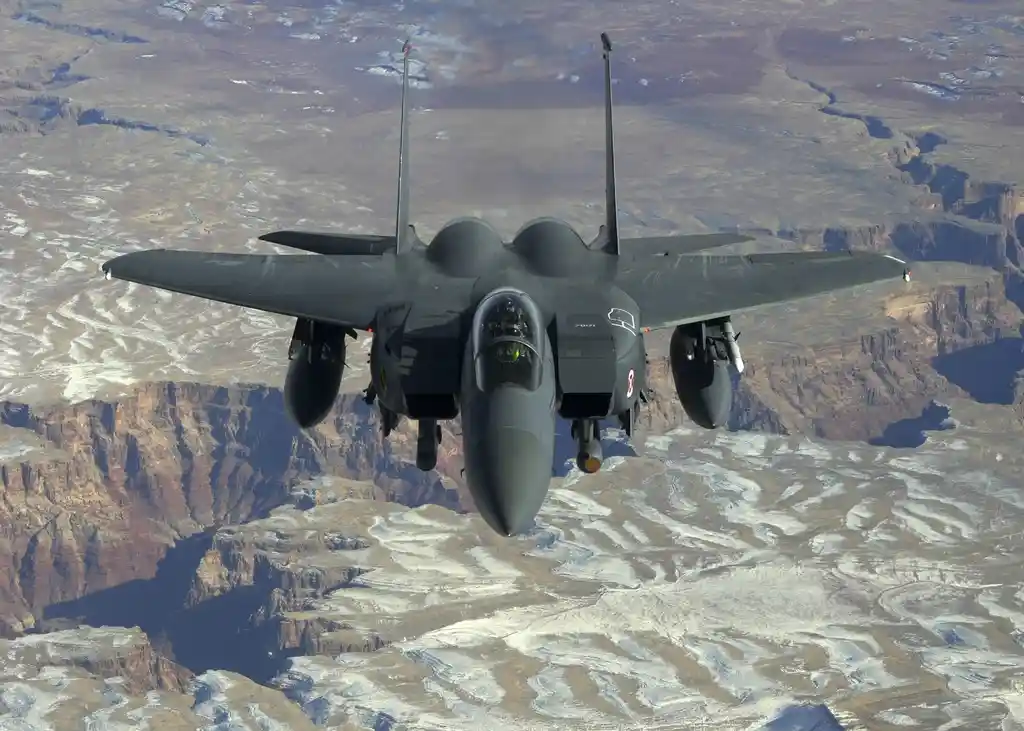
The McDonnell Douglas F-15 Eagle, a twin-engine, all-weather tactical fighter, is renowned for its superior air dominance and combat endurance. However, its ability to remain airborne depends on multiple factors, including fuel capacity, mission type, operational load, and aerial refueling support. Understanding these variables offers insight into how long an F-15 can sustain flight in various conditions.
Standard Flight Duration Without Aerial Refueling
Under normal circumstances, an F-15 Eagle has a flight endurance of approximately 5 hours and 15 minutes without requiring mid-air refueling. This timeframe is determined by:
- Internal fuel capacity: The F-15 carries up to 13,455 pounds (6,104 kg) of fuel internally, providing a significant but finite operational range.
- Standard combat load: When armed with a typical air-to-air or air-to-ground payload, fuel consumption increases, limiting endurance.
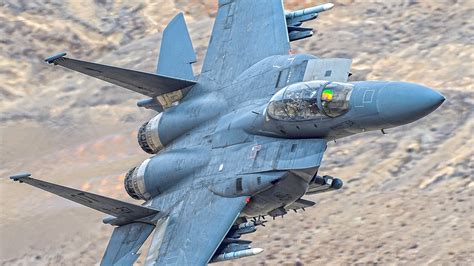
- Cruising speed vs. afterburner usage: Operating at subsonic speeds maximizes fuel efficiency, while prolonged afterburner engagement significantly reduces flight time.
Extended Range with Conformal Fuel Tanks (CFTs)
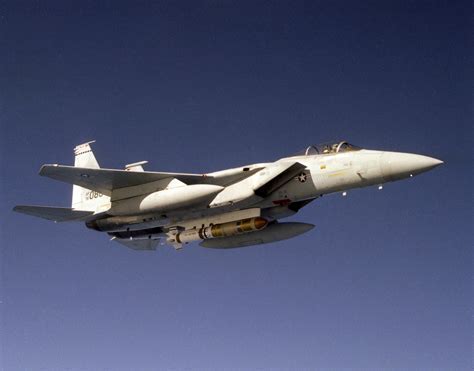
To enhance endurance, F-15C/D variants can be equipped with Conformal Fuel Tanks (CFTs). These aerodynamically integrated tanks increase fuel storage without occupying hardpoints needed for weapons. When fitted with CFTs:
- The F-15’s maximum ferry range extends to 5,745 km (3,570 miles), significantly boosting its flight duration.
- Mission endurance improves, allowing pilots to cover vast distances without immediate refueling.
- Lower drag and improved aerodynamics compared to traditional external fuel tanks reduce overall fuel consumption.
CFTs are particularly useful for long-range strike missions and air superiority patrols, ensuring that an F-15 can remain combat-ready over vast operational theaters.
Aerial Refueling: Extending Flight Time Beyond 15 Hours
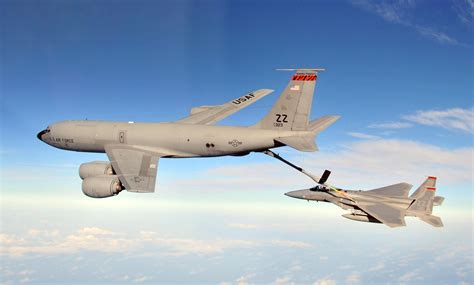
One of the most critical features of modern F-15 operations is its ability to perform aerial refueling. This extends mission endurance to more than 15 hours, depending on:
- Number of refueling cycles: With sufficient in-flight refueling, the F-15 can theoretically remain airborne indefinitely.
- Support from tanker aircraft: Aircraft like the KC-135 Stratotanker or KC-46 Pegasus provide continuous fuel replenishment, enabling extended missions.
- Mission requirements: Airborne command operations, strategic patrols, and combat air patrols all benefit from aerial refueling capabilities.
Factors Influencing Flight Duration
Several operational elements affect how long an F-15 can stay in the air:
1. Payload and Weapon Loadout
A fully armed F-15 carrying missiles, bombs, and electronic warfare equipment experiences increased fuel consumption due to additional weight and drag. Lighter configurations allow for more efficient fuel use.
2. Speed and Maneuvers
- Subsonic cruise (Mach 0.9 or below) maximizes endurance.
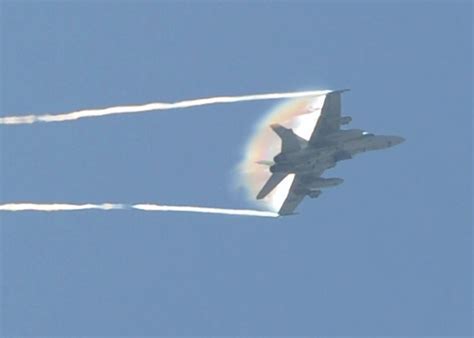
- Sustained supersonic speeds (Mach 1.5–2.5) drastically increase fuel burn.
- High-G combat maneuvers demand rapid bursts of energy, depleting fuel reserves faster.
3. Mission Profile
- Combat air patrol (CAP): F-15s assigned to air superiority roles use moderate fuel loads, extending operational time.
- Strike missions: Loaded with air-to-ground weapons, endurance decreases due to increased weight.
- Scramble and interception: High-speed engagements consume fuel rapidly, requiring quick refueling turnaround times.
4. Upgrades and Fuel Management Systems
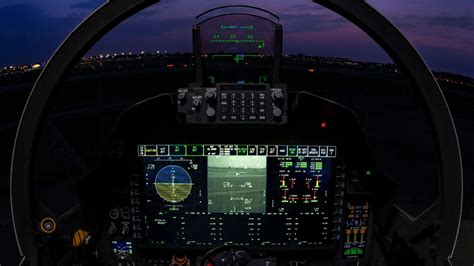
Newer models like the F-15EX introduce enhanced avionics, fuel management, and structural improvements, optimizing flight duration while maintaining high combat effectiveness.
Historical Endurance and Future Improvements
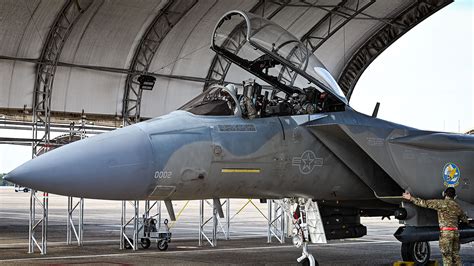
Historically, the F-15 was built with a service life of 8,000 flight hours, but modern upgrades have extended this to 20,000 hours in platforms like the F-15EX. These improvements ensure longevity and relevance for decades to come.
Conclusion
An F-15 Eagle can stay in the air for 5–15 hours, depending on mission parameters and refueling support. With CFTs and efficient flight profiles, endurance can be maximized, while aerial refueling enables practically indefinite flight durations. The F-15 remains one of the most capable and enduring air superiority fighters in modern military aviation.
Frequently Asked Questions (FAQ)
1. How does an F-15 compare to other fighter jets in endurance?
The F-15 outperforms many fighters in terms of endurance, especially with CFTs and aerial refueling. However, airborne refuelable aircraft like the F-22 Raptor and F-35 Lightning II have comparable capabilities.
2. Can an F-15 fly across the Atlantic without stopping?
Yes, with CFTs and in-flight refueling, an F-15 can cross the Atlantic Ocean. It typically requires one or more aerial refuelings depending on route and speed.
3. What is the longest recorded flight time of an F-15?
Exact records vary, but some F-15 missions have exceeded 15 hours with multiple refueling operations during strategic combat patrols and deployments.