Aircraft carriers are among the most formidable assets in naval warfare, serving not only as floating airbases but also as powerful symbols of national strength. Their longevity is a topic of great importance to defense planners, naval historians, and military strategists alike. The service lifespan of an aircraft carrier depends on several factors, including propulsion type, technological upgrades, refueling cycles, and strategic decisions made by the nations that operate them.
Modern carriers—whether nuclear-powered giants of the U.S. Navy or diesel-fueled ships like the United Kingdom’s HMS Queen Elizabeth—are designed to remain operational for decades. But how long exactly can an aircraft carrier stay in service, and what determines its retirement timeline?
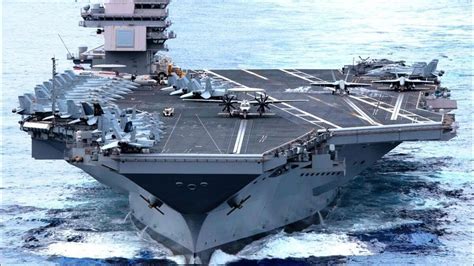
Average Service Life of an Aircraft Carrier
The typical service life of an aircraft carrier ranges between 40 to 50 years, though some have sailed for slightly less and others for slightly longer. Nuclear-powered carriers, such as those of the U.S. Navy, are generally built for half a century of service, while conventionally powered carriers often fall within a similar range depending on modernization and refits.
Key milestones in an aircraft carrier’s lifecycle include:
- Commissioning – when the vessel officially enters active service.
- Refueling and Complex Overhaul (RCOH) – a midlife refit crucial for nuclear-powered carriers.
- Modernization upgrades – periodic system updates, structural reinforcements, and technological improvements.
- Decommissioning – when the carrier is retired from service.
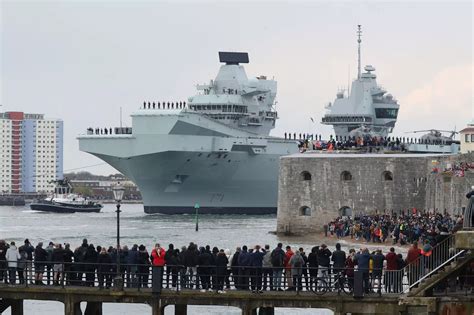
Nuclear vs. Conventional Carriers: Longevity Compared
Nuclear-Powered Carriers
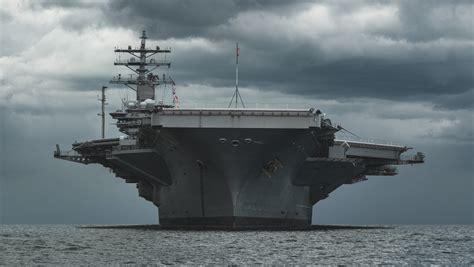
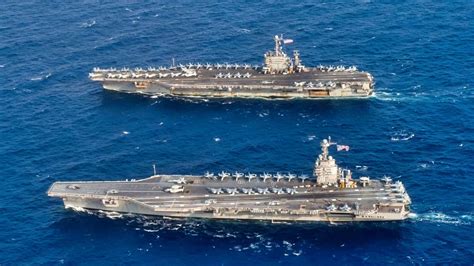
The United States Navy exclusively operates nuclear-powered aircraft carriers, beginning with the USS Enterprise (CVN-65). Modern U.S. carriers, such as the Nimitz-class and the Ford-class, are built with two nuclear reactors capable of generating immense power. Their typical service life: 50 years.
One crucial milestone in their lifespan is the RCOH. Occurring about halfway through service (around year 25), this process involves:
- Refueling the nuclear reactors.
- Replacing propulsion components.
- Installing advanced combat systems, radar, and communications.
- Modernizing crew quarters and onboard technology.
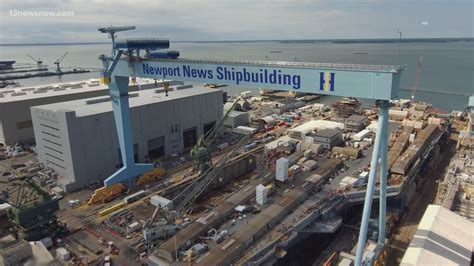
The USS George Washington (CVN-73) underwent its RCOH starting in 2017, a project that cost $2.8 billion and lasted several years. While costly, this overhaul extends the ship’s service by another 25 years, ensuring carriers remain relevant despite rapid technological change.
Conventional Carriers
Conventional carriers powered by diesel engines and gas turbines generally require more frequent but smaller overhauls. While they do not undergo nuclear refueling, they benefit from periodic modernization that extends their service life.
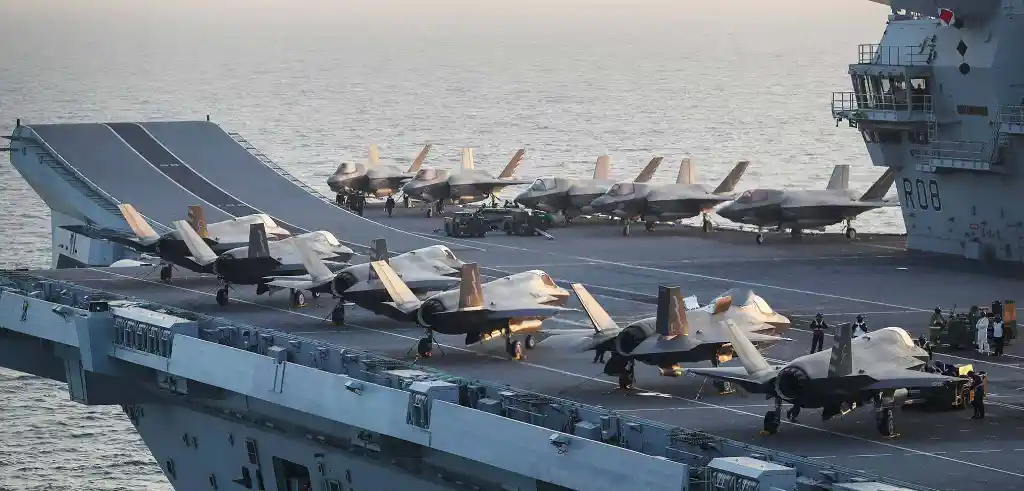
A prime example is the HMS Queen Elizabeth (R08), commissioned in 2020 and expected to remain in service until around 2070. Despite being conventionally powered, its advanced systems and modular design make its 50-year lifespan comparable to nuclear-powered carriers.
Historically, U.S. Navy conventional carriers such as the USS John F. Kennedy (CV-67) served for nearly 39 years before retirement. This reflects the slightly shorter but still substantial operational lives of non-nuclear vessels.
Factors Influencing Service Lifespan
Several key factors determine how many years an aircraft carrier can stay in service:
1. Propulsion System
- Nuclear carriers: Long lifespan due to fewer refueling needs, though midlife overhauls are time-intensive.
- Conventional carriers: Flexible but rely on constant refueling and more frequent updates.
2. Modernization Potential
Carriers are massive investments. To maximize returns, navies continually upgrade radar systems, aircraft launch technology (like EMALS on the USS Gerald R. Ford), electronic warfare suites, and weapons. Ships that can accommodate upgrades last longer.
3. Maintenance Costs
As carriers age, maintenance costs rise. Governments often weigh the cost of upgrading an old vessel against the benefits of commissioning a new one.
4. Strategic Shifts
Geopolitical changes, advancements in missile technology, and evolving warfare doctrines can influence a navy’s decision to retire carriers early or extend their service.
5. Hull Integrity
While systems can be upgraded, the physical hull structure of a carrier has limits. Extensive wear may dictate retirement even if technology upgrades remain possible.
Historical Service Lifespans
Below is a table comparing the service lifespans of selected carriers across different navies:
| Aircraft Carrier | Nation | Propulsion | Commissioned | Decommissioned/Projected | Years in Service |
|---|---|---|---|---|---|
| USS Enterprise (CVN-65) | USA | Nuclear | 1961 | 2017 | 55 |
| USS Nimitz (CVN-68) | USA | Nuclear | 1975 | Projected 2025-2028 | ~50 |
| USS Gerald R. Ford (CVN-78) | USA | Nuclear | 2017 | Projected 2067 | 50 |
| USS John F. Kennedy (CV-67) | USA | Conventional | 1968 | 2007 | 39 |
| HMS Queen Elizabeth (R08) | UK | Conventional | 2020 | Projected 2070 | 50 |
| Charles de Gaulle (R91) | France | Nuclear | 2001 | Projected 2040s | ~40+ |
Future of Aircraft Carrier Lifespans
Advancements in modular shipbuilding, digital control systems, and automation suggest that future carriers could last even longer than current designs. However, the rise of hypersonic missiles, unmanned systems, and shifting naval doctrines may place limits on their effective service lives, regardless of engineering durability.
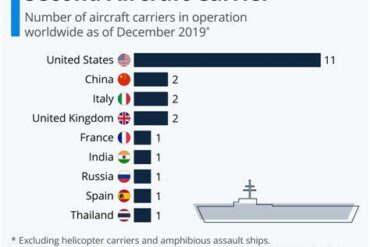
Nations like China and India, which are rapidly expanding their carrier programs, are closely studying the balance between longevity and adaptability. While building for 50 years of service is now standard, the ability to integrate future technologies may ultimately dictate the real-world lifespan of tomorrow’s supercarriers.
Conclusion
So, how many years can an aircraft carrier stay in service? The answer lies largely between 40 and 50 years, depending on propulsion type, national strategy, and modernization capacity. Nuclear carriers like those of the U.S. Navy are designed with half-century lifespans, reinforced by midlife nuclear refueling overhauls. Conventional carriers, while less powerful in endurance, are now designed to match that same timeline through advanced technology and periodic upgrades.
Aircraft carriers represent some of the most durable and strategically significant warships in history. Their ability to stay in service for half a century underscores their importance not just as military assets, but as long-term investments in national defense and power projection.
FAQ
How long do U.S. nuclear aircraft carriers serve?
U.S. nuclear-powered carriers typically serve for 50 years, with a major refueling and complex overhaul at the halfway point.
Why do some carriers retire earlier than 50 years?
Factors such as rising maintenance costs, outdated systems, or strategic shifts in naval doctrine can shorten a carrier’s service life.
Do conventional carriers last as long as nuclear ones?
Yes, modern conventional carriers like the HMS Queen Elizabeth are designed for 50 years of service, similar to nuclear-powered carriers, though their maintenance approach differs significantly.