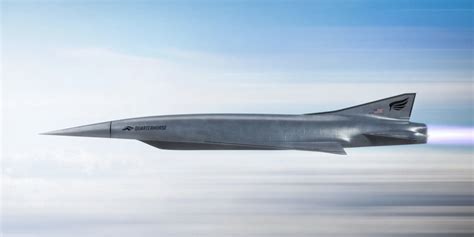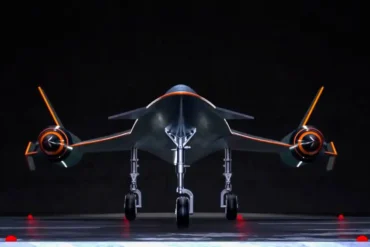
Hypersonic vehicles are at the forefront of modern aerospace technology, pushing the boundaries of speed and materials science. These vehicles, capable of traveling at speeds greater than Mach 5 (five times the speed of sound), represent the pinnacle of engineering and physics. As nations and private enterprises invest in hypersonic technologies, these vehicles promise to revolutionize not only air travel but also military defense systems, space exploration, and satellite technology.
What Are Hypersonic Vehicles?
A hypersonic vehicle is defined as any vehicle that can travel at speeds greater than Mach 5, or approximately 6,174 kilometers per hour (3,836 miles per hour). To put this into perspective, a hypersonic vehicle moves faster than a bullet and far exceeds the speed of current commercial aircraft. The technology behind hypersonic vehicles involves a combination of advanced propulsion systems, unique materials, and aerodynamic innovations to withstand the extreme conditions of high-speed travel.
These vehicles can be designed to fly within Earth’s atmosphere, or they can be built to re-enter the atmosphere from space. Regardless of their design, all hypersonic vehicles must meet certain stringent requirements, including heat resistance, pressure management, and material integrity to endure the extreme temperatures and stresses encountered at such high velocities.
The Science Behind Hypersonic Speeds
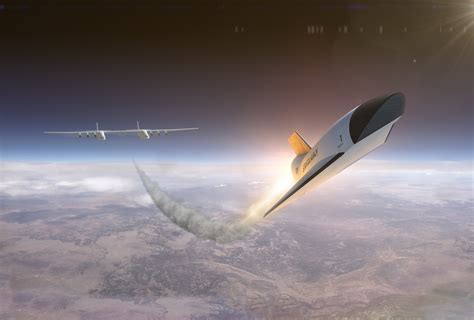
When a vehicle approaches hypersonic speeds, the air in front of it compresses rapidly. This compression causes the air to heat up significantly, creating a buildup of thermal energy that can reach temperatures higher than those on the surface of the Sun. The friction between the vehicle’s surface and the air, combined with the compression effects, results in the generation of shock waves and extreme heat.
For example, during re-entry into Earth’s atmosphere, spacecraft such as the Apollo 11 capsule would travel at speeds of around 11 kilometers per second (about 7 miles per second). The resulting shock waves would create temperatures so intense that the air just in front of the capsule would form a fireball hotter than the Sun itself. To withstand such conditions, hypersonic vehicles must incorporate special materials and designs.
Heat Resistance: The Key Challenge
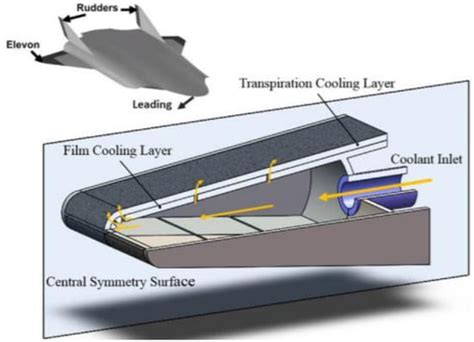
One of the most critical challenges in designing a hypersonic vehicle is managing the heat generated at extreme speeds. The vehicle must be able to withstand both the heat produced by atmospheric friction and the shock waves that form around it. Several materials and design strategies are employed to meet this challenge.
1. Heat-Resistant Materials
The skin of a hypersonic vehicle must be made from materials that can withstand extremely high temperatures. This includes materials like ceramics, carbon composites, and other advanced heat-resistant alloys. For instance, the Space Shuttle used ceramic tiles that were designed to insulate the vehicle during reentry, protecting the spacecraft from temperatures that could exceed 1,650°C (3,000°F). Similarly, modern hypersonic vehicles use specialized heat shields made from ablative materials, which slowly burn away during flight, dissipating heat and preventing damage to the vehicle.
2. Ablation Shields
Ablation shields are a key technology in managing the heat of reentry. These shields are typically covered with materials that burn off in a controlled manner, dissipating heat as they evaporate or melt. This process is known as ablation, and it provides a means to protect the structure of the vehicle. While the Space Shuttle used insulating ceramic tiles that could be reused, older spacecraft such as those used in the Mercury, Gemini, and Apollo programs relied on ablative materials for single-use protection during reentry.
Design and Aerodynamics of Hypersonic Vehicles
The shape of a hypersonic vehicle is also crucial for its performance. At hypersonic speeds, the vehicle must minimize drag while maintaining enough stability to handle the extreme pressures it encounters. The design of these vehicles often involves a blunt shape, which may seem counterintuitive at first. A blunt shape allows the vehicle to create a layer of insulating air between itself and the shock wave that forms around it. This helps to protect the vehicle from the intense heat generated during flight.
Additionally, hypersonic vehicles are designed to handle a variety of dynamic forces, including high-pressure drag and aerodynamic stability under turbulent conditions. Engineers have developed sophisticated computational fluid dynamics (CFD) models to simulate airflow around hypersonic vehicles, which allows for the optimization of the vehicle’s shape to reduce heat buildup and improve overall performance.
Hypersonic Propulsion Systems
To achieve the necessary speeds, hypersonic vehicles require specialized propulsion systems. Unlike traditional jet engines, which are designed for subsonic or supersonic speeds, hypersonic vehicles utilize scramjet engines (supersonic combustion ramjets) or rocket propulsion systems. Both systems are designed to operate efficiently at extremely high altitudes and speeds.
Scramjets
A scramjet is an air-breathing engine that operates by compressing incoming air using the vehicle’s speed, rather than relying on traditional compressors. In a scramjet, combustion occurs at supersonic speeds, and the air is forced through the engine without slowing down. This makes scramjets highly efficient at hypersonic speeds, as they do not require the complex mechanical components of traditional jet engines.
Rocket Propulsion
Alternatively, some hypersonic vehicles, particularly those designed for space re-entry, rely on rocket propulsion. Rocket engines are more versatile than scramjets, as they do not depend on atmospheric air for combustion. However, they are also less efficient at low altitudes and are typically used for missions that involve leaving or re-entering the Earth’s atmosphere.
Applications of Hypersonic Vehicles
The development of hypersonic vehicles promises to transform several industries, particularly those in aerospace and defense.
1. Military and Defense
One of the most important applications of hypersonic technology is in military defense systems. Hypersonic weapons, such as hypersonic cruise missiles and hypersonic glide vehicles, are being developed by several countries around the world. These weapons can travel at speeds far beyond the reach of current missile defense systems, making them much harder to intercept. The speed and maneuverability of these weapons could change the landscape of modern warfare, allowing for rapid strikes anywhere in the world.
2. Space Exploration
In the field of space exploration, hypersonic vehicles could drastically reduce travel times. Hypersonic spacecraft could be used for rapid deployment of satellites or even for crewed missions to distant planets. The ability to travel at hypersonic speeds within the Earth’s atmosphere could also revolutionize air travel, making it possible to travel from one side of the planet to the other in just a matter of hours.
3. Commercial Air Travel
While hypersonic travel for commercial airliners may still be decades away, the development of these vehicles could eventually lead to point-to-point air travel at speeds far exceeding anything currently available. Imagine flying from New York to Tokyo in under an hour. With the right materials and technologies, this vision could one day become a reality.
The Future of Hypersonic Vehicles
The development of hypersonic technology is still in its infancy, with many challenges to overcome before these vehicles become commonplace. However, the potential benefits of hypersonic vehicles are vast, from revolutionizing military defense to transforming commercial air travel. As research progresses and new materials and propulsion systems are developed, it is likely that we will see these vehicles take to the skies—and beyond—in the not-too-distant future.