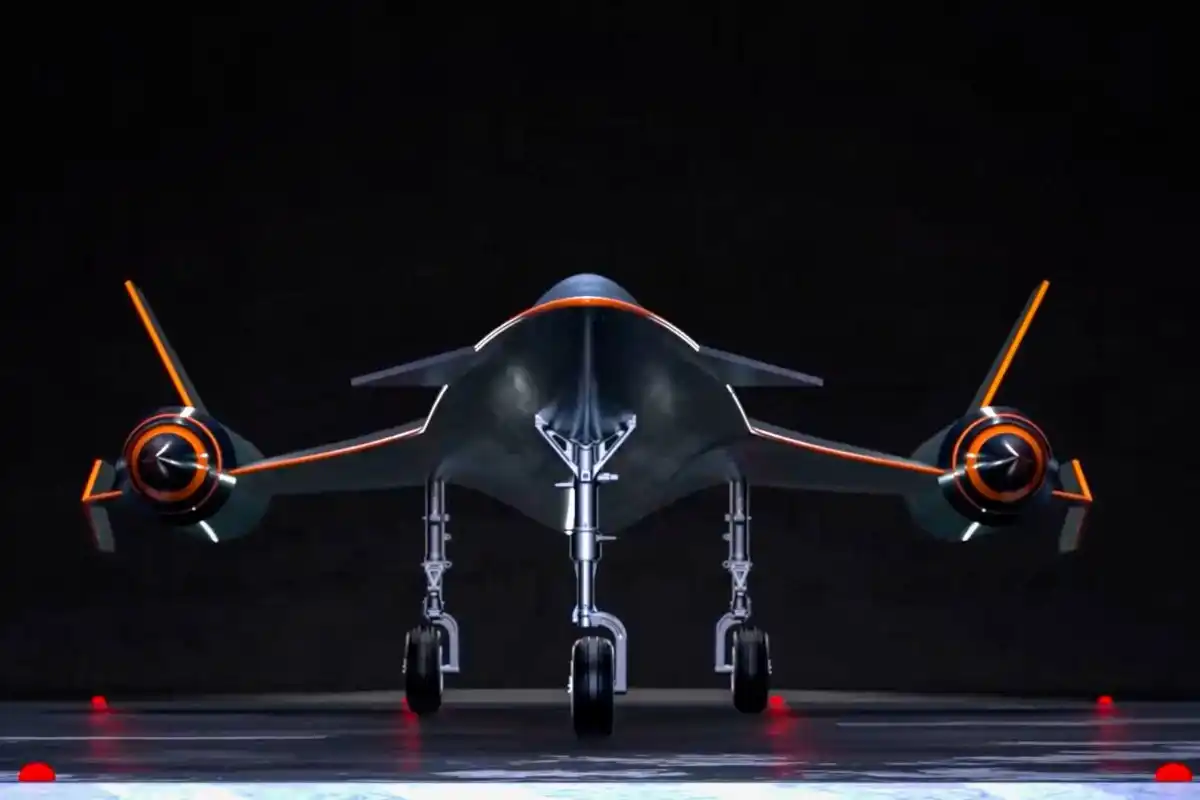
In the modern pursuit of ultra-fast global travel, the development of hypersonic aircraft marks a technological leap that could redefine how we connect continents. While supersonic flight once captivated the world with the likes of Concorde, today’s innovators have their eyes set far beyond Mach 1. With Chinese aerospace firms, Western startups, and advanced propulsion laboratories racing toward the elusive threshold of Mach 5 and beyond, the age of hypersonic passenger jets is beginning to take shape.
The recent successful test by Space Transportation, a Beijing-based company, of a prototype capable of reaching Mach 4 signals an ambitious step forward. This project aims to launch its first real flight as soon as 2027, boasting travel times such as London to Sydney in just four hours. These developments are not merely symbolic; they echo a much larger narrative unfolding across the aerospace industry.
What Is Hypersonic Flight and Why It Matters
Hypersonic flight, generally defined as speeds exceeding Mach 5—or five times the speed of sound—sits at the cutting edge of aeronautical engineering. Historically, only ballistic missiles or space re-entry vehicles have reached such velocities, and they have done so with little regard for passenger safety or maneuverability.
This new frontier challenges aerospace engineers not only to reach Mach 5 but to do so safely, reliably, and with controllability. As reported by The Economist, steering a craft at such speeds using traditional aerodynamic surfaces like flaps or ailerons becomes virtually impossible. The extreme thermal and aerodynamic stresses could lead to structural failure unless radically new design paradigms are introduced.
Breakthrough Propulsion Technologies
The most promising breakthroughs lie in revolutionary propulsion systems. Among these, the Synergetic Air Breathing Rocket Engine (SABRE), under development in the UK, aims to combine the fuel efficiency of jets with the thrust of rockets. Using liquid oxygen and innovative precooling technology, SABRE engines could theoretically enable horizontal takeoff and sustained hypersonic cruise.
Another theoretical approach, magnetohydrodynamic propulsion, utilizes plasma flows controlled by electromagnetic fields instead of standard air compression and combustion. Though still largely experimental, these systems promise a future where heat generation is minimized and fuel efficiency maximized.
Engineering Challenges and Structural Demands
At hypersonic speeds, even the shape of the aircraft becomes a critical design parameter. Air friction generates intense surface heating, requiring thermal-resistant materials and active cooling systems embedded within the airframe. Conventional aluminum alloys used in most commercial aircraft are entirely unsuitable. Engineers now turn to ceramic composites, carbon-carbon materials, and metallic alloys designed to endure temperatures exceeding 1,500°C.
In addition to materials, aerodynamic stability becomes a formidable challenge. The margin for error is infinitesimally small, as flight control systems must anticipate and respond to air disturbances within milliseconds. The integration of AI-guided avionics, capable of real-time adaptive maneuvering, is now considered essential for these designs.
Environmental Costs and Economic Limitations
The prospect of hypersonic flight, while thrilling, is accompanied by sobering environmental and economic considerations. According to NASA, supersonic aircraft already consume 3–7 times more fuel per passenger mile than subsonic counterparts. Hypersonic jets, unless powered by sustainable fuel alternatives or breakthrough engines, could easily eclipse that number.
This exacerbates the already contentious debate surrounding aviation emissions and climate change. The smaller fuselages needed for structural integrity at hypersonic speeds also translate into lower passenger capacity, driving ticket prices into elite territory. Like Concorde before it, hypersonic travel could remain a luxury of the few, rather than a revolution for the masses.
Lessons from Concorde and Tu-144
The Concorde’s legacy casts a long and cautionary shadow. Celebrated for its elegance and speed, the aircraft nonetheless succumbed to high maintenance costs, restricted flight routes, and a tragic accident in 2000 that ultimately ended its commercial viability. Similarly, the Soviet-built Tu-144, once hailed as Concorde’s rival, suffered a catastrophic crash shortly after its launch, further dampening public trust in supersonic travel.
Any future hypersonic program must navigate not just technical, but also regulatory and public perception hurdles. Restrictions on overland supersonic and hypersonic flight, largely due to sonic booms, still apply globally. Engineers must explore low-boom aircraft shaping and adaptive flight profiles to address this critical obstacle.
The Rise and Fall of Hypersonic Ventures
While optimism drives headlines, caution defines the industry’s recent history. The UK-based firm Reaction Engines, known for developing the SABRE engine, recently entered administration due to a lack of funding, bringing their hypersonic dream to a halt. This turn of events illustrates a core truth: vision alone does not secure viability.
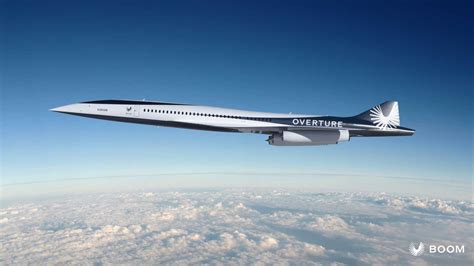
Venture-backed initiatives such as Boom Supersonic, which promotes the Overture airliner, are still years away from flight readiness. Despite robust investor interest and bold marketing, such projects must still pass rigorous aerodynamic, safety, and economic feasibility checks.
Geopolitical and Defense Implications
Beyond commercial uses, hypersonic technology is fast becoming a strategic military asset. Nations such as the United States, Russia, and China are actively developing hypersonic cruise missiles and glide vehicles, capable of evading existing defense systems due to their speed and maneuverability. While the focus of this article is civilian aviation, the military roots of hypersonic development significantly influence the availability and pace of commercial adaptation.
The overlap between military R&D and civilian applications raises further regulatory scrutiny. Export controls, dual-use technology laws, and international aviation treaties must evolve to accommodate the dual realities of hypersonic transport.
What the Future Holds: Hope or Hype?
Despite monumental obstacles, the pursuit of hypersonic travel remains a beacon of possibility. Advances in computational modeling, material science, and AI-guided navigation systems are converging to make what once seemed like science fiction, science fact. Yet, for all the excitement, we must remain vigilant against over-promising timelines and underestimating challenges.
The real question is not if hypersonic flight will become a reality—but who will get there first, and at what cost. Will it be a state-funded project from China? A nimble startup in the West? Or will unforeseen innovation emerge from a new aerospace player altogether?
What is clear is that aviation’s next great leap will not be measured merely in speed, but in the boldness to rethink everything—from engine design and regulatory frameworks to sustainability metrics and public accessibility.
The race to hypersonic travel is underway. The finish line, however, remains clouded by thermal friction, fiscal turbulence, and environmental crosswinds. What lies ahead is not just a new mode of travel, but a new era of aerospace possibility—and it is one we must shape wisely.