Allegiant Air has carved out a unique position in the American aviation landscape as an ultra-low-cost carrier (ULCC) that caters almost exclusively to budget-conscious travelers. While many Americans have flown Allegiant for its highly competitive fares, the question persists: is Allegiant a safe airline? To answer this, we must dissect the airline’s operational history, fleet composition, safety practices, and industry standing.
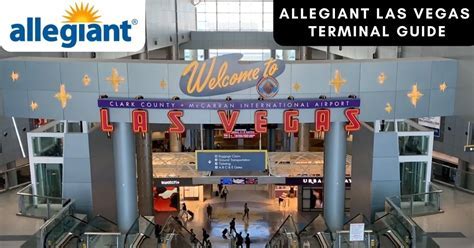
Founded in 1997 and commencing operations in 1998, Allegiant Air is a wholly owned subsidiary of Allegiant Travel Company, headquartered in Summerlin, Nevada. It operates from over 100 airports across the United States and offers bundled services that include flights, hotels, and rental cars, giving it a strong foothold in the domestic leisure travel market. Notably, Allegiant has a close tie to Las Vegas, with Harry Reid International Airport (LAS) serving as one of its primary hubs.
Allegiant’s Safety Record: A Closer Look at Its History and Reputation
Allegiant is considered a major U.S. carrier, ranking as the fourteenth largest commercial airline in the country. Yet, unlike larger legacy carriers, it has faced scrutiny over its safety record, particularly during the mid-2010s. Allegiant experienced a series of high-profile mechanical issues, ranging from aborted takeoffs to unscheduled landings.
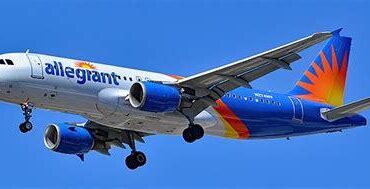
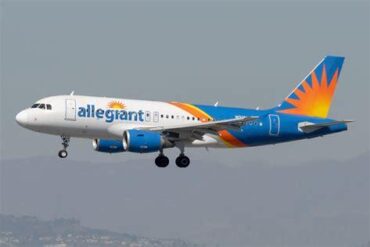
In 2016, a damning investigative report by “60 Minutes” raised concerns about Allegiant’s safety protocols. The report, which analyzed publicly available FAA data, suggested that Allegiant had an alarming rate of emergency landings and maintenance irregularities. This public attention led to the FAA initiating internal reviews of the airline’s procedures. While Allegiant responded by transitioning its aging MD-80 fleet to newer Airbus A319s and A320s, the shadow of its earlier issues has not fully faded from public memory.
Today, Allegiant operates an entirely Airbus fleet, and its compliance with FAA safety standards remains active and current. Allegiant has not experienced a fatal crash in its operational history, which is a significant metric when assessing airline safety.
Fleet Age and Maintenance: Evaluating Allegiant’s Aircraft
A central factor in Allegiant’s safety narrative has been its aircraft age. At one point, Allegiant operated some of the oldest aircraft in the U.S. commercial fleet, with over 50% of planes averaging 27.5 years old. While older aircraft are not inherently unsafe—many are well-maintained and fly for decades—the age of the fleet increases maintenance demands and susceptibility to mechanical wear.
Allegiant’s strategic move to phase out the MD-80s in favor of Airbus A319s and A320s has helped improve operational reliability. However, even within this fleet, the average aircraft age remains close to 20 years. This is older than the fleets of major U.S. airlines like Delta or United, whose planes average 13–15 years.
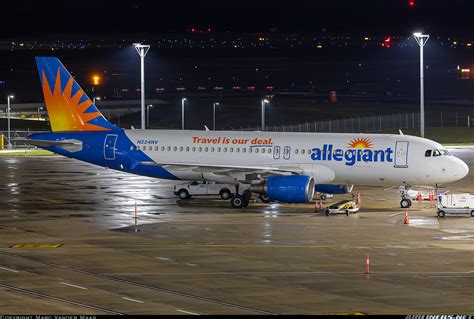
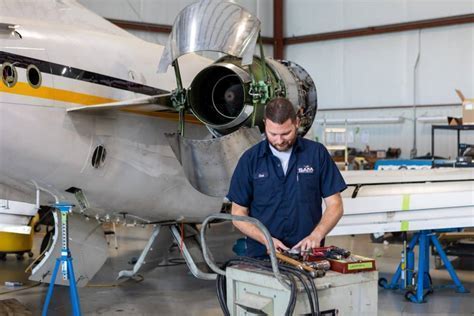
Allegiant emphasizes preventive maintenance and asserts that all aircraft are compliant with FAA inspection and maintenance schedules. The airline’s ability to keep an older fleet in operation is primarily due to its low flight frequency model, which reduces wear and tear compared to airlines with high aircraft utilization rates.
Operational Performance and On-Time Reliability
While safety concerns have gradually diminished, operational reliability remains a mixed bag for Allegiant. From July 2021 to July 2022, Allegiant had an on-time arrival rate of just 61.96%, according to Bureau of Transportation Statistics (BTS) data. This performance is well below the industry average, where many leading carriers hover between 75–85%.
The airline’s point-to-point network and its focus on secondary airports make it more susceptible to weather-related and logistical delays. Moreover, Allegiant operates a limited number of flights per route, meaning passengers have fewer rebooking options in the event of a cancellation. For travelers valuing punctuality and flexibility, this may pose a significant drawback.
FAA Oversight and Regulatory Compliance
The Federal Aviation Administration (FAA) remains the primary regulatory body ensuring Allegiant’s adherence to federal safety regulations. Despite past incidents and media scrutiny, the FAA has never grounded Allegiant or suspended its operational license, signaling that the airline meets the baseline safety requirements.
In recent years, Allegiant has reportedly made substantial investments in safety culture, from pilot training enhancements to more robust internal maintenance audits. These internal changes, while not always visible to passengers, are crucial indicators of an airline’s long-term commitment to safety.
Customer Experience and Service Shortfalls
Though not directly tied to safety, Allegiant’s customer service practices influence public perception of reliability and trustworthiness. Passengers frequently express frustration with the airline’s limited customer support, particularly when resolving flight changes, delays, or cancellations. Allegiant’s minimalistic communication approach and limited call center hours compound these issues.
The absence of in-flight amenities—including Wi-Fi, inflight entertainment, or complimentary snacks—further reinforces its bare-bones business model. While these omissions do not imply safety risks, they do lower the perceived quality of the airline’s offering, which some mistakenly equate with operational competence.
Involvement in Major Public Events: A Strategic Brand Move
Allegiant’s naming rights acquisition for Allegiant Stadium in Las Vegas, and the airline’s role in Super Bowl LVIII, were strategic branding moves designed to bolster public trust and awareness. The football fan travel packages, bundling airfare, hotel accommodations, and game tickets, showed Allegiant’s strength in leisure market innovation.
This public exposure likely helped shift public sentiment, especially among casual and sports-related travelers. However, brand visibility alone does not guarantee operational safety. Nonetheless, the strategic move indicates a company seeking not only market share but legitimacy.
Cost vs. Assurance: The Budget Tradeoff
Allegiant flights remain among the cheapest in the U.S., with average fares hovering around $58 between 2011 and 2021. This affordability appeals to price-sensitive travelers, particularly those seeking direct, non-stop flights to leisure destinations.
However, cheap fares come at a cost. With no Wi-Fi, minimal legroom, limited customer support, and no first or business class, Allegiant caters exclusively to those willing to trade luxury—and to a degree, reliability—for price. Importantly, cost-cutting does not equate to ignoring safety, but it does necessitate reliance on highly efficient operations and tight scheduling, both of which are vulnerable to external disruptions.
Yes, Allegiant is a safe airline, based on the following:
- It operates under FAA oversight, with no active safety violations
- It has never experienced a fatal crash
- It has taken corrective measures to modernize its fleet and maintenance protocols
However, “safe” does not mean “superior”. Allegiant still lags in on-time performance, customer service responsiveness, and passenger comfort. Travelers choosing Allegiant should be aware that the airline is best suited for short-haul, point-to-point travel where budget is prioritized over comfort or flexibility.
The decision to fly Allegiant should be informed by personal travel priorities. If safety is your primary concern, Allegiant meets the regulatory standard. But if your expectations include premium service, in-flight entertainment, or flexibility, you may be better served elsewhere.