The story of modern aviation is, at its core, a story of speed, scale, and shrinking distance. Among the countless inventions that pushed humanity skyward, one stands apart with unmatched influence: the jet engine. Its arrival didn’t just improve flight—it fundamentally redefined what flight could be. From fragile propeller-driven aircraft struggling across continents to sleek machines that cross oceans in hours, the transformation is nothing short of extraordinary.
The jet engine emerged not as a convenience, but as a necessity during the technological crucible of the Second World War. What began as a military experiment quickly evolved into the backbone of commercial aviation. Its brilliance lies in its elegant brutality: compress air, ignite fuel, and unleash thrust with relentless efficiency. Compared to piston engines, jet turbines offered greater power, fewer moving parts, and vastly superior performance at high speeds and altitudes.
Yet the true genius of the jet engine is not merely technical—it is systemic. It reshaped industries, economies, and even cultural identity. Today’s interconnected world owes much of its cohesion to the ability of jet-powered aircraft to collapse geography into mere hours of travel time.
The Dawn of Jet Propulsion and a New Aviation Age
Before jets, aviation was constrained by the physical limits of propellers. Aircraft were slower, noisier, and far less efficient over long distances. The invention of the turbojet engine, pioneered by visionaries like Sir Frank Whittle and Hans von Ohain, broke those constraints wide open. Their designs proved that sustained high-speed flight was not only possible but practical.
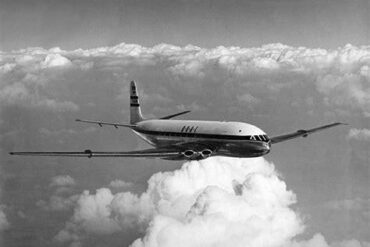
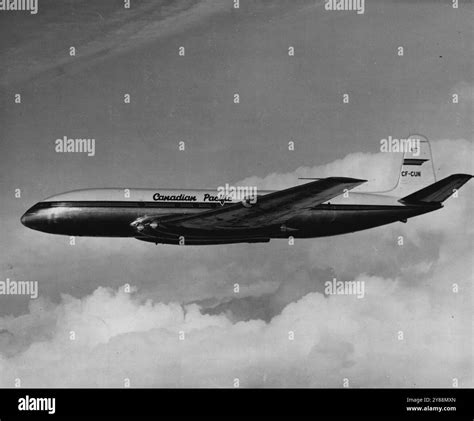
The first operational jet-powered flight in 1939 marked a turning point, but it was the postwar years that truly ignited the revolution. By 1952, the de Havilland Comet took to the skies as the world’s first commercial jetliner, introducing passengers to a new era of smooth, high-altitude travel. Though early challenges revealed the complexities of pressurized jet flight, the blueprint had been drawn.
The Boeing 707: Blueprint of Modern Air Travel
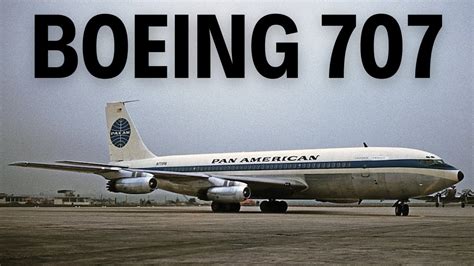
If the Comet was the pioneer, the Boeing 707 was the architect of modern aviation. First flown in 1958, the 707 didn’t merely succeed—it standardized the entire concept of jet travel. Its swept wings, underwing-mounted engines, and cylindrical pressurized fuselage became the universal template for generations of aircraft that followed.
The brilliance of the 707 was not just in engineering but in execution. It balanced range, capacity, and reliability in a way that made global air travel economically viable. Airlines could now transport passengers across continents efficiently, consistently, and at scale. The world, quite literally, became smaller.
The aircraft’s influence persists even today. Modern jets—from the ubiquitous Boeing 737 to long-haul giants—carry the DNA of the 707 in their design philosophy. Even military platforms adapted its airframe, proving its unmatched versatility.
From Turbojets to Turbofans: Efficiency Meets Power
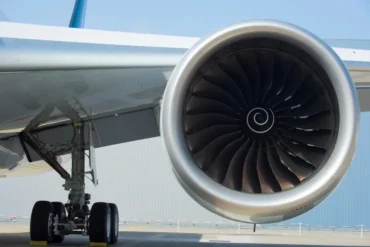
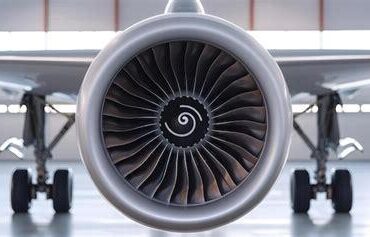
The early turbojets were powerful but fuel-hungry. As aviation matured, the need for efficiency became impossible to ignore. Enter the high-bypass turbofan engine, a refinement that transformed jet propulsion into something far more sustainable and commercially viable.
By channeling a large volume of air around the engine core, turbofans achieved dramatic reductions in fuel consumption, noise, and operating costs. This innovation unlocked long-haul travel for the masses, turning what was once a luxury into a routine experience.
Aircraft like the Boeing 747 and later the Airbus A380 leveraged these engines to carry hundreds of passengers across vast distances. Quiet, efficient, and immensely powerful, turbofans became the gold standard of aviation propulsion.
Jet Engines and the Birth of Globalization
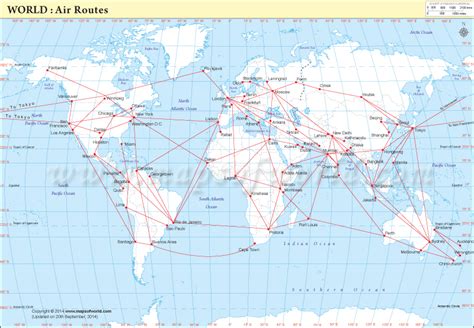
It’s tempting to think of jet engines purely in mechanical terms, but their true impact is deeply human. The ability to traverse continents in hours has reshaped economies, relationships, and cultural exchange on a global scale.
Jet-powered aircraft enabled:
- Rapid international business expansion, connecting markets in real time
- Explosive growth in tourism, opening distant destinations to millions
- Globalized supply chains, with air cargo delivering goods overnight
Fresh produce, life-saving pharmaceuticals, and critical technology now move seamlessly across the globe. What once took weeks by sea can now be accomplished before your coffee gets cold—an exaggeration, perhaps, but not by much.
Humanitarian Power: When Speed Saves Lives
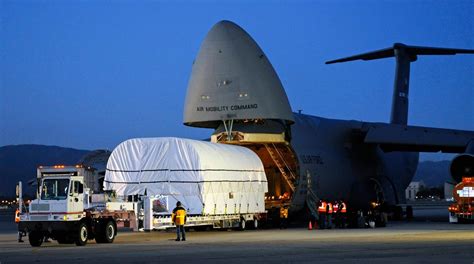
Beyond commerce and convenience, jet engines have proven their worth in moments of crisis. Their unmatched speed and capacity have made them indispensable tools for humanitarian missions.
During the final days of the Vietnam War, aircraft like the C-141 Starlifter and C-5 Galaxy evacuated tens of thousands of people in a matter of days. Operation Babylift alone demonstrated how jet-powered logistics could execute missions of staggering scale under immense pressure.
Similarly, Operation Solomon in 1991 saw over 14,000 Ethiopian Jews airlifted to safety within just 36 hours. These missions were not just logistical feats—they were profound demonstrations of how engineering innovation can directly save human lives.
Supersonic Dreams and Technological Spillover
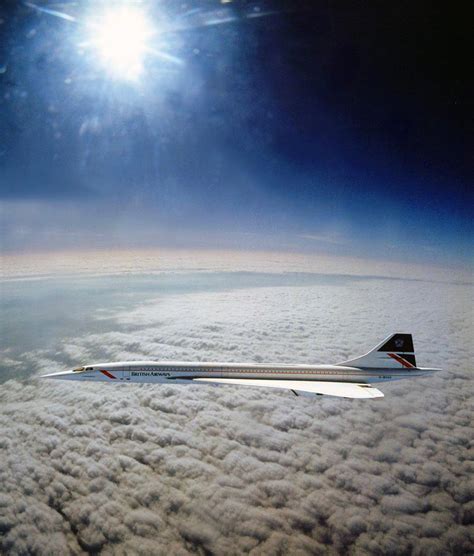
No discussion of jet propulsion is complete without acknowledging the allure of supersonic flight. The Concorde remains one of aviation’s most iconic achievements, slicing through the sky at twice the speed of sound. Though ultimately limited by cost and regulation, its legacy is deeply embedded in modern aerospace technology.
The pursuit of supersonic travel drove advancements in:
- Aerodynamic design and materials engineering
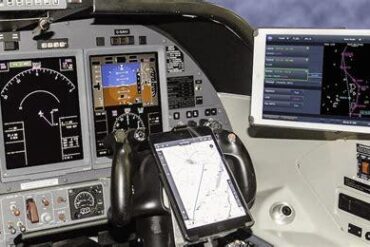
- Precision navigation and avionics systems
- Fly-by-wire and automated flight controls
Today, projects like NASA’s X-59 aim to revive supersonic travel in a quieter, more sustainable form. The dream never truly faded—it simply evolved.
Engineering Simplicity Behind Immense Complexity
At first glance, jet engines appear overwhelmingly complex. Yet compared to piston engines, they are mechanically simpler, with fewer reciprocating parts and smoother operation. This simplicity translates into higher reliability, reduced maintenance, and improved safety.
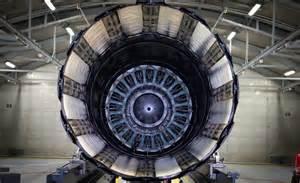
Modern jet engines are marvels of precision engineering. Materials capable of withstanding extreme temperatures, blades spinning at thousands of revolutions per minute, and digital control systems working in perfect harmony—each component represents decades of incremental innovation.
The result is an engine that can operate for thousands of hours with astonishing consistency, making air travel one of the safest modes of transportation ever devised.
Economic Powerhouse of the Jet Age
The rise of jet aviation didn’t just transform travel—it built an entire global industry. Today, aviation supports tens of millions of jobs and contributes trillions to the global economy. By value, roughly a third of international trade moves by air, a statistic that underscores the strategic importance of jet-powered logistics.
Airlines, manufacturers, maintenance providers, and countless auxiliary industries form a vast ecosystem driven by continuous innovation. The relentless pursuit of efficiency ensures that jet engines keep evolving, becoming quieter, cleaner, and more powerful with each generation.
The Next Frontier: Beyond Jet Propulsion
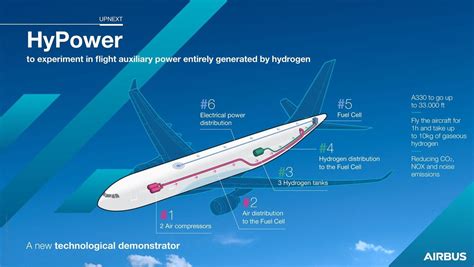
Even as jet engines dominate the skies, the search for the next breakthrough is well underway. Environmental concerns and technological ambition are driving research into zero-emission propulsion systems, including hydrogen-powered engines and electric aircraft.
Artificial intelligence is also poised to redefine flight operations, introducing new levels of automation and potentially reshaping the role of pilots. The aviation industry stands on the brink of another transformation, one that may rival the impact of the jet engine itself.
A Legacy That Still Defines the Sky
The jet engine is not merely an invention—it is the foundation of modern aviation. Its principles, established nearly a century ago, continue to guide the design of today’s most advanced aircraft. From the first experimental jets to the colossal turbofans powering intercontinental flights, the lineage is unmistakable.
What makes this breakthrough truly remarkable is its enduring relevance. While technologies around it evolve, the core idea remains intact, a testament to the brilliance of its original design. It didn’t just change aviation; it set the trajectory for everything that followed.
In a world that often celebrates the newest innovation, the jet engine stands as a reminder that some breakthroughs are so profound, they don’t just shape an industry—they redefine what humanity believes is possible.