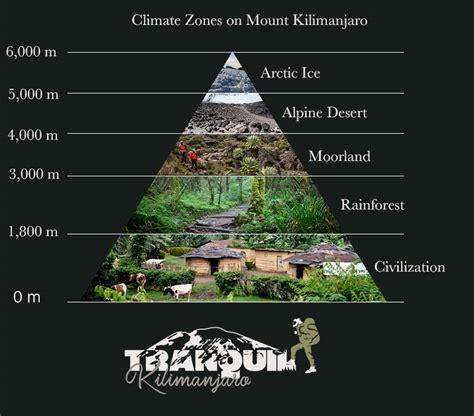
In a groundbreaking discovery, scientists have unveiled the existence of Africa’s highest-living frog species on Mount Kilimanjaro, located at an astonishing altitude of 4,000 meters. This significant finding, made during an expedition in June 2024, challenges long-held beliefs regarding the altitude limits for amphibians on the continent, which were previously thought to cap at around 3,000 meters. The expedition, funded by Altezza Travel, marks a pivotal moment in understanding the biodiversity of this iconic mountain and has sparked ongoing research to determine whether this frog represents a new species or merely extends the known range of an existing one.
The initial reports from this landmark expedition were filed with the Tanzania Wildlife Research Institute (TAWIRI), leading to an official follow-up expedition aimed at further investigating this unprecedented finding. A dedicated team comprising amphibian specialists and skilled mountaineers undertook the challenging task of exploring the river systems nestled between 3,500 and 4,000 meters (11,500–13,100 feet). Their primary objective was to confirm the presence of frogs in this extreme environment and to collect DNA samples for subsequent analysis.
Professor Alan Channing, a distinguished amphibian expert from North-West University in South Africa, confirmed that no frog species had previously been documented living at such high elevations in Africa. The excitement surrounding this discovery opened new avenues for understanding how amphibians can adapt to such harsh conditions. Between February 20 and 25, 2025, the research team returned to the mountain to continue their investigations, successfully locating frogs at altitudes that defied earlier assumptions. They collected crucial DNA samples that were later sent to laboratories in South Africa for analysis. The findings revealed that these frogs belong to the species Amietia wittei, known to inhabit lower elevations but now confirmed to thrive at much higher altitudes than previously recorded.
The role of Altezza Travel in this expedition cannot be overstated. As a prominent operator of Kilimanjaro expeditions, the company not only funded the research but also provided essential logistical support. Their commitment to sustainable tourism and environmental conservation has made this scientific endeavor a critical component of their broader efforts to protect Tanzania’s natural heritage. Altezza Travel’s support extended beyond financial contributions; they facilitated the expedition by providing experienced guides, porters, food supplies, and oxygen tanks vital for navigating the high-altitude terrain of Mount Kilimanjaro. Additionally, the company covered the costs associated with DNA sampling and laboratory testing, which were instrumental in confirming the identity of the frogs and gaining insights into their adaptation to extreme conditions.
While the discovery of these high-altitude frogs is a remarkable achievement, it raises concerns about their future survival. Several potential threats to their habitat have been identified, which could adversely affect their population. One major concern is water contamination. It has been documented that the use of dishwashing chemicals by Kilimanjaro porters may pollute the rivers where the frogs reside. This pollution poses a substantial risk to amphibians, which are particularly sensitive to waterborne contaminants. Furthermore, the looming specter of climate change presents another serious threat. Alterations in climate patterns could diminish the availability of water sources, making it increasingly challenging for these amphibians to survive in their high-altitude habitats. The potential loss of suitable habitats due to shifts in rainfall patterns could lead to a decline in frog populations, exacerbating the challenges they face. Additionally, increased predation by local birds, which could shift their focus toward the newly discovered species, further complicates the frogs’ survival prospects.
These concerns highlight the urgent need for continued research to monitor the frog populations and develop effective strategies to protect them from both natural and human-induced threats. As researchers and conservationists work diligently to assess the long-term survival prospects of these unique high-altitude frogs, further studies will be crucial to address potential environmental threats. The discovery emphasizes the delicate balance of Mount Kilimanjaro’s ecosystem and the importance of responsible environmental management. Dmitrii, a member of the expedition team, articulated this sentiment, stating, “This discovery highlights the fragile ecosystem of Kilimanjaro and the need for more responsible environmental management. We hope this research will contribute to better conservation strategies for the region and serve as a foundation for further studies on the subject.”
Speculation within the research team suggests that the frogs may inhabit even higher altitudes; however, the absence of rivers above 4,050 meters indicates that their range is likely constrained by the availability of water sources. This speculation, coupled with the necessity for more comprehensive studies, will propel future research into the ecology of Mount Kilimanjaro and its resident species.
Altezza Travel has consistently championed sustainable tourism and environmental conservation. The company collaborates closely with researchers and conservation organizations to ensure that its activities support the protection of Tanzania’s natural resources, including the rich biodiversity of Mount Kilimanjaro. Through its commitment to blending tourism with scientific inquiry, Altezza Travel remains an active participant in preserving the ecological balance of the region. Their dedication to sustainability is reflected not only in their research collaborations but also in their operational practices. By promoting responsible tourism, Altezza Travel encourages clients to engage in eco-friendly activities that contribute to the preservation of Tanzania’s unique landscapes and wildlife.
In conclusion, the discovery of Africa’s highest-living frog on Mount Kilimanjaro exemplifies the resilience of nature and underscores the significance of scientific exploration in uncovering hidden facets of the planet’s biodiversity. Each new exploration reveals the critical importance of responsible environmental management in sustaining delicate ecosystems such as Kilimanjaro’s. Altezza Travel’s involvement in this discovery, both as an organizer and facilitator of scientific exploration, highlights the company’s commitment to promoting sustainability in tourism and conservation. Given the ongoing threats to the area’s ecosystems, it is imperative that investments in research and conservation continue to ensure the preservation of Mount Kilimanjaro’s unique species, including the high-altitude frogs, for generations to come.