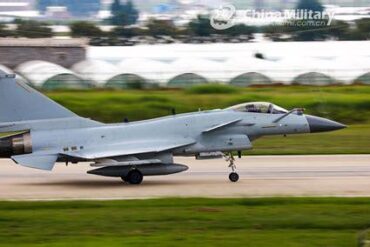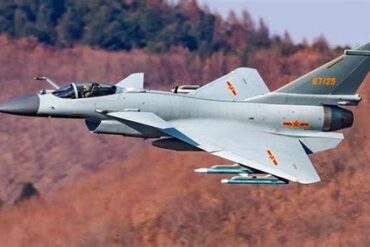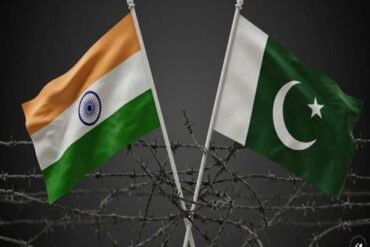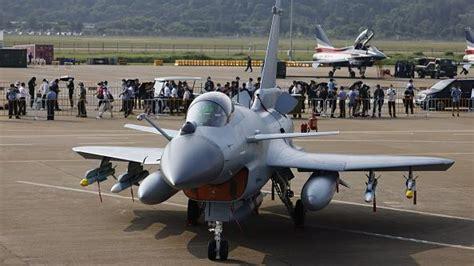
On Wednesday, Pakistan’s Deputy Prime Minister and Foreign Minister Ishaq Dar confirmed the involvement of J-10C fighter jets in a recent military response to Indian airstrikes. This announcement comes amid widespread speculation regarding the deployment of Chinese-supplied military equipment in the latest India-Pakistan skirmish, which reportedly led to the downing of several Indian aircraft. The confirmation, delivered during a National Assembly session, underscores the strategic importance of these advanced jets in Pakistan’s aerial defense strategy.
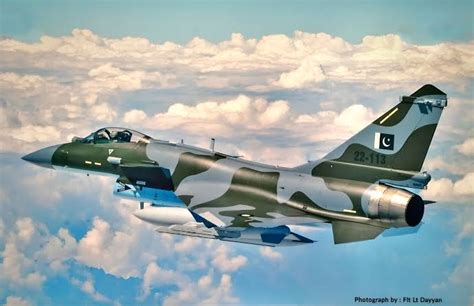
Pakistan’s Response to Indian Airstrikes
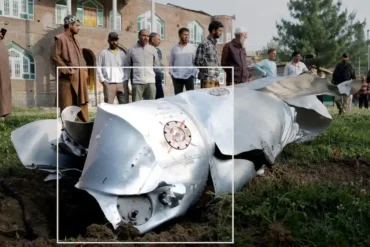
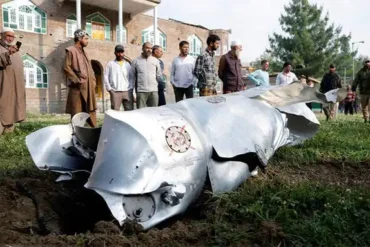
According to Dar, Pakistan received intelligence of a possible Indian airstrike at approximately 10 p.m. on Tuesday, prompting immediate defensive measures. He emphasized that the Pakistan Air Force (PAF) had been directed to respond only to Indian jets that released payloads, a decision that likely prevented a broader escalation. “There were instructions to only target Indian jets that released payloads,” Dar stated, adding that this selective engagement resulted in the downing of five Indian fighter jets. He noted that had the directive been more aggressive, the PAF could have potentially struck up to 10-12 enemy aircraft.
J-10C’s Role in the Skirmish
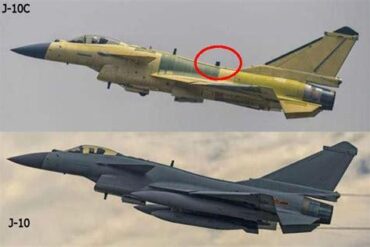
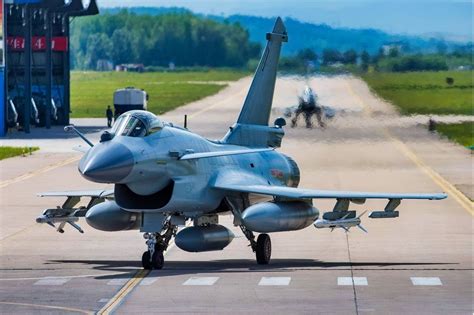
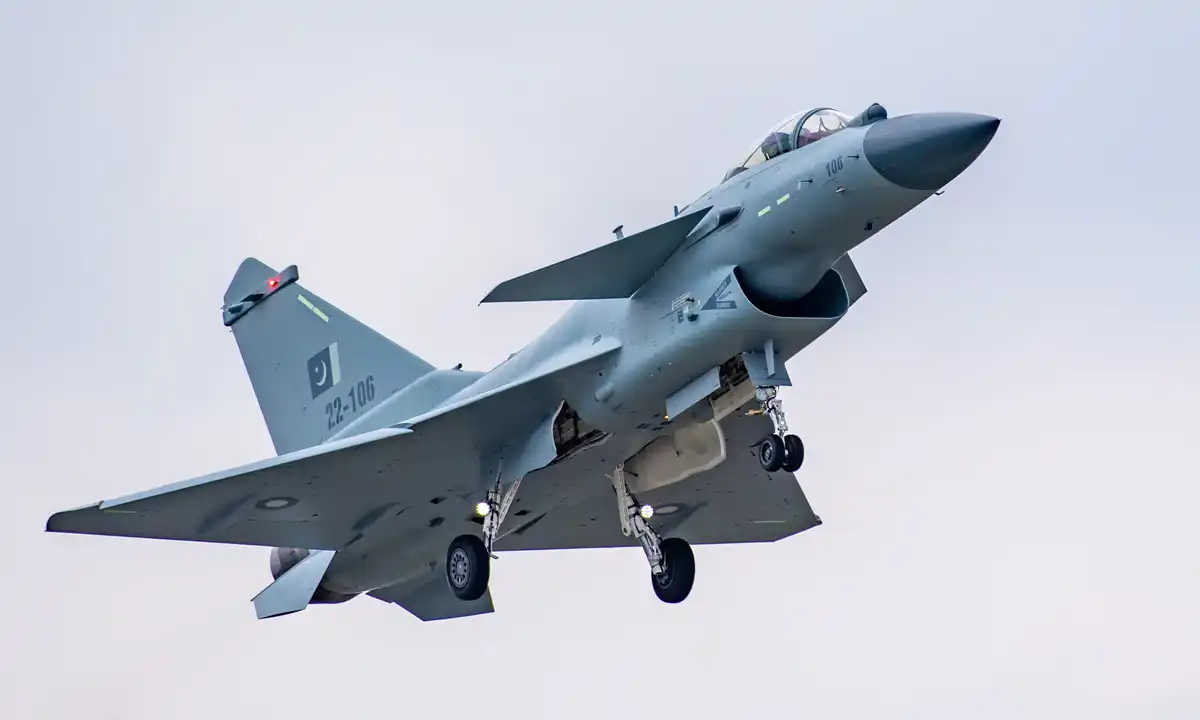
The involvement of the J-10C, a modern, multi-role, fourth-generation fighter jet developed by China’s Chengdu Aircraft Corporation, is a significant development. This aircraft, which Pakistan acquired as part of a broader defense modernization effort, is equipped with advanced AESA radar, PL-15 long-range air-to-air missiles, and sophisticated electronic warfare systems, making it a formidable asset in aerial combat. The J-10C’s high maneuverability, beyond-visual-range (BVR) capabilities, and cutting-edge avionics likely contributed to the PAF’s successful interception of Indian jets.
Strategic Implications for the Region
Dar’s confirmation came amid heightened tensions, as India quickly dismissed Pakistan’s claims as “disinformation”. However, this disclosure marks a significant moment for Chinese defense manufacturers, as it provides a combat record for the J-10C, enhancing its export potential. Shares of Chinese defense firms reportedly surged following the news, reflecting market optimism over increased demand for these platforms. According to Eric Zhu, a defense analyst at Bloomberg Intelligence, this incident may serve as a valuable test for China’s next-generation fighter jets, which have not yet seen extensive combat use.
Rising Tensions and Strategic Calculations
The incident highlights the growing strategic alignment between Islamabad and Beijing in the face of regional tensions. Pakistan’s decision to deploy Chinese-made platforms like the J-10C underscores the deepening defense cooperation between the two nations. This partnership is viewed by many analysts as a counterbalance to the US-India strategic alliance, which has seen New Delhi acquire advanced Western military systems like the Dassault Rafale and Boeing AH-64 Apache attack helicopters.
The Broader Context of Regional Military Dynamics
Pakistan’s reliance on Chinese military technology reflects a broader realignment in the region. The J-10C, often compared to the American F-16 and the Indian Tejas, offers Pakistan a cost-effective yet highly capable platform. With its supersonic speed, integrated targeting systems, and networked battlefield capabilities, the J-10C significantly enhances Pakistan’s defensive and offensive air capabilities. This growing capability is a critical element in the broader strategic competition unfolding in South Asia, where air superiority can be a decisive factor in any potential conflict.
Conclusion: A New Era in South Asian Aerial Combat
As the region braces for potential further escalation, the recent air clash serves as a stark reminder of the high-stakes nature of modern aerial warfare. Pakistan’s use of the J-10C not only demonstrates its readiness to defend its airspace but also signals a new phase in its military strategy, one increasingly dependent on advanced Chinese technology. For both Pakistan and China, this marks a significant milestone, reinforcing their defense partnership amid a rapidly changing global security landscape.