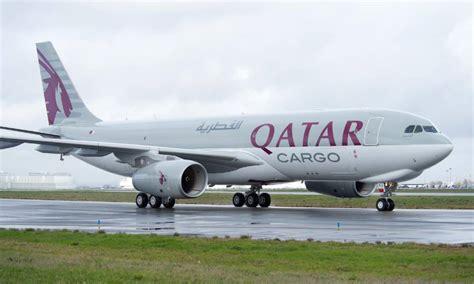
Qatar Airways has officially retired its final Airbus A330 passenger aircraft, bringing an end to an era that lasted longer than the airline had originally expected. The move closes another chapter in the carrier’s widebody fleet renewal, while a separate arrangement will allow more than a dozen A330-trained pilots to continue flying through short-term voluntary secondments to RwandAir.
The retirement comes at a complicated moment for Gulf aviation. Regional disruption has reduced airline capacity while fuel prices have risen sharply, changing the economics of operating older widebody aircraft. For Qatar Airways, the decision to remove the A330 is therefore not simply about age. It reflects a broader effort to reshape the fleet around newer, more fuel-efficient aircraft while keeping experienced crews active during a period of operational uncertainty.
Qatar Airways’ A330 history was relatively modest compared with its much larger fleets of newer Airbus and Boeing widebodies, but the aircraft remained an important part of the carrier’s operations for years. As recently as March, A330s represented approximately 7% of Qatar Airways’ passenger aircraft, according to company data. The airline now operates a mixed fleet of 239 passenger aircraft and 30 freighters, making the retirement of the type a relatively small numerical change but a significant milestone in its fleet modernization.
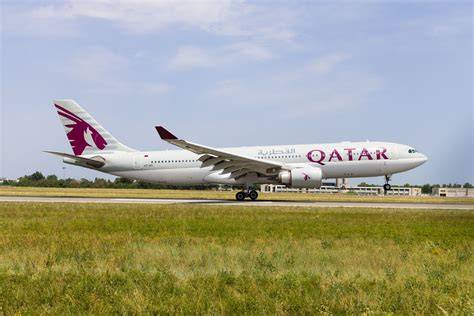
Qatar Airways Retires Its Final Airbus A330 Passenger Aircraft
The final retirement follows an unusual period in which Qatar Airways attempted to keep additional A330 capacity available. In 2025, the airline leased four A330s from Oman Air with plans to operate them through 2026. However, those aircraft never entered commercial service with Qatar Airways, illustrating how quickly fleet requirements changed as regional operating conditions evolved.
One of the leased A330s was subsequently acquired by RwandAir, while two A330s that remained in Doha are scheduled to return to their lessor, Jetran, in October. With the remaining aircraft leaving the fleet, Qatar Airways no longer has an A330 passenger aircraft in active service.
The retirement also reflects a broader industry trend. Airlines kept older widebody aircraft operating longer than expected after the pandemic because passenger demand recovered faster than manufacturers could deliver replacement aircraft. Aircraft such as the A330 remained valuable because they were already available, established within airline operations, and capable of carrying substantial passenger loads on medium- and long-haul routes.
That economic calculation is changing. Higher fuel prices can quickly erase the advantages of keeping older aircraft in service, particularly when newer-generation aircraft offer substantially better fuel efficiency. Reuters reported that jet fuel prices had doubled since the war began, creating an additional incentive for airlines to reconsider the economics of operating older widebodies.
Qatar Airways Sends A330 Pilots To RwandAir
The end of the A330 fleet also creates a personnel challenge. Pilots trained specifically on the aircraft need opportunities to maintain their operational currency and flying experience, particularly when their airline no longer has the aircraft available for regular service.
Qatar Airways is addressing that issue by offering a voluntary short-term secondment to RwandAir for a group of more than a dozen A330-trained pilots. Instead of leaving those crews with limited commercial flying opportunities, the arrangement gives them an opportunity to continue operating the same aircraft type while supporting another airline.
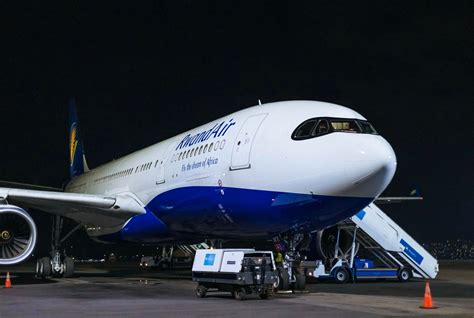
The arrangement is supported by an existing relationship between the two airlines. Qatar Airways and RwandAir already have a codeshare agreement, providing an established commercial connection between the carriers. RwandAir is also expanding its own A330 operation and received the first of five expected A330 aircraft in August, according to information cited by Reuters.
The arrangement could therefore provide practical benefits for both sides. RwandAir gains access to pilots with established A330 experience, while Qatar Airways can help its affected crews maintain their qualifications and operational familiarity with the aircraft. For pilots, the secondment offers a way to remain active rather than allowing their type-specific experience to deteriorate during the fleet transition.
Qatar Airways has also indicated that it expects to recruit pilots for newer aircraft as growth resumes. The secondment can consequently serve as a bridge between the airline’s current capacity reductions and its longer-term expansion plans.
Qatar Airways Fleet Renewal Continues Despite Capacity Cuts
The disappearance of the A330 should not be interpreted as Qatar Airways abandoning widebody growth. The airline is simultaneously pursuing one of the industry’s larger fleet renewal programs, with 410 aircraft on order from Airbus and Boeing.
Between September 2026 and the end of 2027, Qatar Airways expects six aircraft to leave its fleet while receiving 19 new aircraft. Looking further ahead, the airline expects to take delivery of 138 aircraft over the next five years. These figures demonstrate that the A330 retirement forms part of a much larger transition toward newer aircraft rather than representing a reduction in the carrier’s long-term ambitions.
In the immediate future, however, Qatar Airways is operating in a more constrained environment. Cirium data cited by Reuters showed that the airline’s available seat miles were below the previous year’s level in September. Its flight count was approximately 12% lower, while the number of aircraft it was operating was down about 4%.
Those reductions are occurring while regional aviation continues to absorb the effects of geopolitical disruption. Airlines must balance passenger demand, aircraft availability, fuel costs and network requirements at a time when operating conditions can change rapidly. Retiring older aircraft can become particularly attractive when there is insufficient demand or when the cost of operating them becomes difficult to justify.
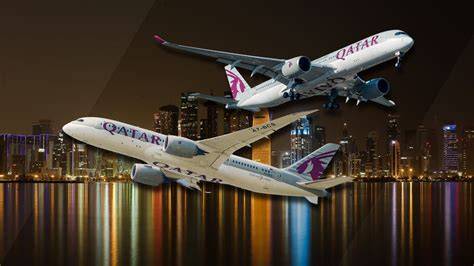
The Airbus A330 Is Also Facing Pressure Globally
Qatar Airways is not alone in reducing its reliance on the A330. The global fleet is also gradually contracting, particularly as newer-generation widebodies become more capable of replacing older aircraft.
According to seven-day averages calculated by Cirium Ascend, worldwide operations of the Airbus A330-200 and A330-300 were approximately 12% lower than in September 2025. Around 800 aircraft of those two variants remain active worldwide, compared with 1,437 delivered since the beginning of production.
The remaining fleet is still substantial, meaning the A330 is far from disappearing from global aviation. Its combination of range, passenger capacity and established maintenance infrastructure continues to make it useful for many airlines. Nevertheless, every major carrier retirement reduces the aircraft’s presence in the international widebody market and reinforces the long-term shift toward newer designs.
For Qatar Airways, the transition is particularly notable because its fleet strategy increasingly centers on aircraft such as the Airbus A350, Boeing 787 and Boeing 777X, alongside other modern widebodies. These aircraft provide the efficiency and capability needed for the carrier’s future network while reducing its dependence on older-generation technology.
Qatar Airways’ A330 Era Ends as Fleet Strategy Moves Forward
The retirement of the final A330 closes a distinct chapter in Qatar Airways’ history, but it does not signal the end of the airline’s expansion plans. Instead, the carrier is using a period of reduced capacity to remove older aircraft, manage its workforce and prepare for a larger fleet of newer jets.
The pilot secondments to RwandAir are an especially practical part of that transition. They allow A330-qualified pilots to keep flying, give RwandAir additional experienced crews and maintain a link between the two airlines while Qatar Airways moves away from the aircraft type.
As regional conditions stabilize, Qatar Airways expects its capacity and network to begin growing again. When that happens, the airline will be doing so with a fleet increasingly dominated by newer-generation aircraft. The final A330 departure therefore represents more than the retirement of one aircraft type: it marks the point at which Qatar Airways’ next phase of fleet renewal becomes increasingly visible.