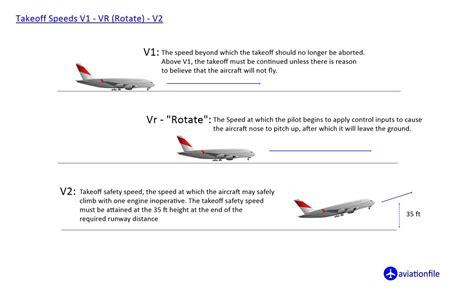
Rotation speed, or Vr, is crucial in the takeoff process of an aircraft. It represents the speed at which a pilot should begin to lift the nose of the aircraft for takeoff. Importantly, Vr must always be greater than or equal to V1. If Vr is exceeded but the rotation cannot be accomplished, it may lead to a situation where a rejected takeoff is not feasible within the remaining runway. This could potentially result in a runway excursion, which is dangerous.
Vr is influenced by several factors, including the weight of the aircraft and its flap settings. Additionally, environmental factors such as pressure altitude and temperature can also affect this speed. In cases of engine failure, it’s essential that Vr enables the aircraft to reach V2, which is the minimum safe speed for climbing, by the time it reaches 35 feet above the runway surface. This is especially important for aircraft certified under Performance ‘A’ regulations.