The Boeing 747-300 is one of the most overlooked aircraft in commercial aviation history. While the 747-400 became the legendary “Queen of the Skies” and the original Boeing 747 became a symbol of global air travel, the aircraft that introduced the most recognizable feature of later jumbo jets has largely disappeared from public memory.
The stretched upper deck, the defining “hump” that passengers instantly associate with the 747 family, did not begin with the famous 747-400. It first appeared as a standard factory feature on the Boeing 747-300. This aircraft quietly transformed the appearance, economics, and passenger experience of the world’s most famous widebody jet.
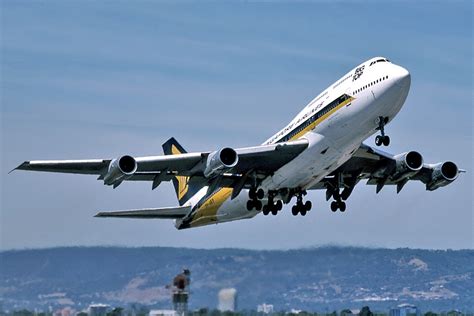
At first glance, the 747-300 appears to be an unusual chapter in Boeing’s history. It arrived between two far more celebrated aircraft: the highly successful 747-200 Classic and the technologically advanced 747-400. It was produced in limited numbers, operated by relatively few airlines, and quickly overshadowed once Boeing introduced its next-generation jumbo.
However, judging the aircraft purely by sales numbers misses the bigger story. The 747-300 was not important because Boeing built thousands of them. It was important because it proved that one simple design change could completely redefine how airlines used the 747.
Boeing 747-300 Solved the Original Jumbo’s Biggest Cabin Problem
When the first Boeing 747 entered commercial service in 1970, its unusual upper deck was never intended to become the aircraft’s signature passenger feature. The famous hump existed because Boeing originally designed the aircraft with future cargo operations in mind.
The company expected large freighter versions to require a hinged nose door for loading oversized cargo. To make this possible, Boeing placed the cockpit above the main fuselage instead of directly behind the nose. This created the raised section that became the aircraft’s most recognizable visual characteristic.
The upper deck of early passenger 747s was relatively small. Airlines initially used it as a premium lounge area rather than a major passenger cabin. Some operators installed cocktail lounges, bars, and exclusive seating areas, creating an experience unlike anything available on other commercial aircraft.
But aviation changed throughout the 1970s. International business travel expanded, premium passengers became more valuable, and airlines began searching for ways to increase revenue without operating additional flights.
The question facing Boeing was simple: how could the company create more passenger space without developing an entirely new aircraft?
The answer became the stretched upper deck.
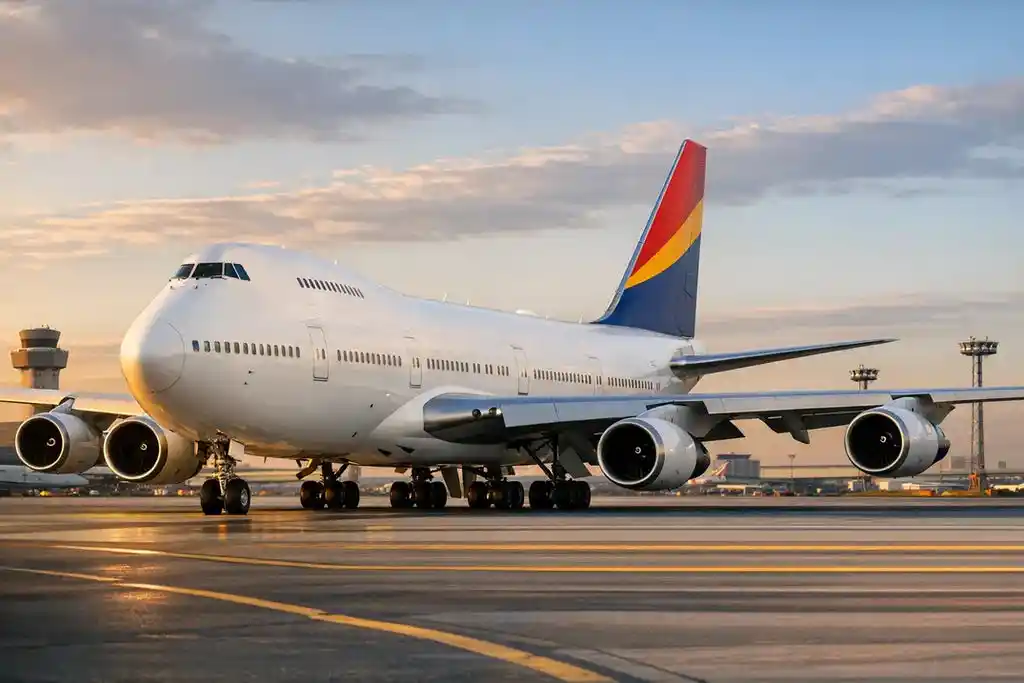
Engineers extended the upper deck by approximately 23 feet 4 inches (7.11 meters), allowing airlines to install significantly more seating while keeping the same basic fuselage design. Instead of creating a new aircraft, Boeing improved one of the existing 747’s most unique features.
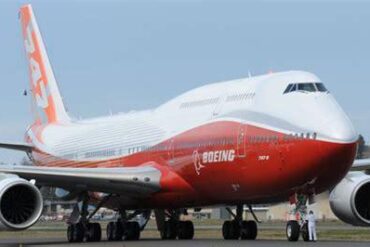
This modification dramatically changed the aircraft’s appearance. Earlier 747 models had a short upper deck that ended near the wing area. The 747-300 extended the hump much farther toward the rear, creating the silhouette that would later define every passenger version of the 747.
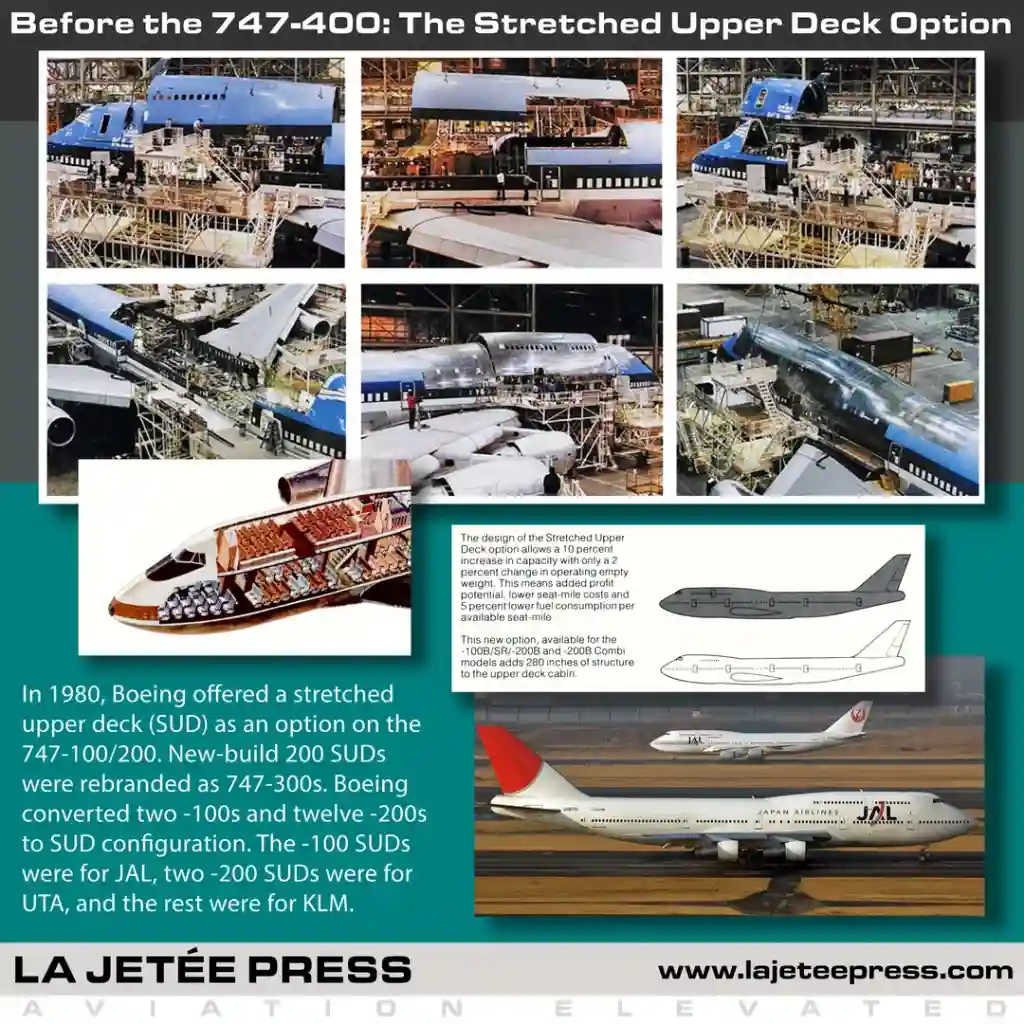
The change also improved passenger movement. Earlier aircraft used a spiral staircase connecting the two decks, which looked impressive but consumed valuable cabin space. The 747-300 introduced a straight staircase design that was more practical and allowed airlines to use the upper deck more efficiently.
The result was not simply a cosmetic update. Boeing had discovered a way to make the 747 more profitable by maximizing existing space.
The Stretched Upper Deck Changed Boeing 747 Economics
The genius of the 747-300 was not that it created a larger airplane. It created a more valuable airplane.
According to Boeing’s internal analysis, the stretched upper deck increased passenger capacity by roughly 10% while increasing operating empty weight by only around 2%. For airlines, this represented an attractive improvement because they could carry more passengers without facing the costs associated with a completely new aircraft design.
Long-haul aviation is extremely sensitive to efficiency improvements. A small reduction in fuel consumption per passenger can create enormous savings when an aircraft flies thousands of hours every year.
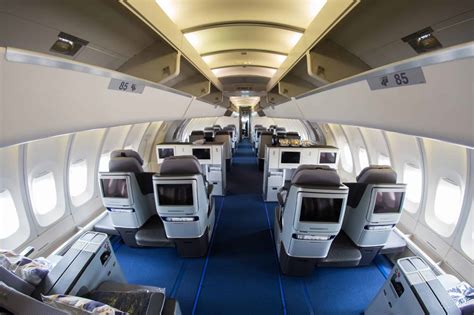
The larger upper deck allowed airlines to make different choices depending on their business model. Premium-focused carriers could transform the upper level into an exclusive business-class cabin with additional privacy and comfort. High-density operators could add more seats and increase revenue on popular international routes.
The aircraft also maintained the reliability of the proven 747 Classic platform. Boeing did not dramatically redesign the wings, fuselage, or major systems. Instead, the company focused on improving the passenger experience and maximizing commercial value.
This approach reflected an important aviation principle: sometimes the biggest improvements do not come from creating something completely new. They come from understanding what customers already value and making it better.
The 747-300 also received modest performance improvements, increasing cruise speed from approximately Mach 0.84 to Mach 0.85. However, speed was never the aircraft’s primary selling point. Its true innovation was space utilization.
Why The Boeing 747-300 Sold Fewer Aircraft Than Expected
Despite introducing one of the most important design features in 747 history, the Boeing 747-300 became a commercial curiosity rather than a sales phenomenon.
The aircraft entered service with Swissair in March 1983, but its timing created a major challenge. By the early 1980s, airlines were beginning to demand more than additional cabin space. They wanted improved efficiency, modern avionics, and reduced operating costs.
The 747-300 delivered a better passenger cabin, but underneath that cabin was still a largely traditional 747 Classic aircraft.
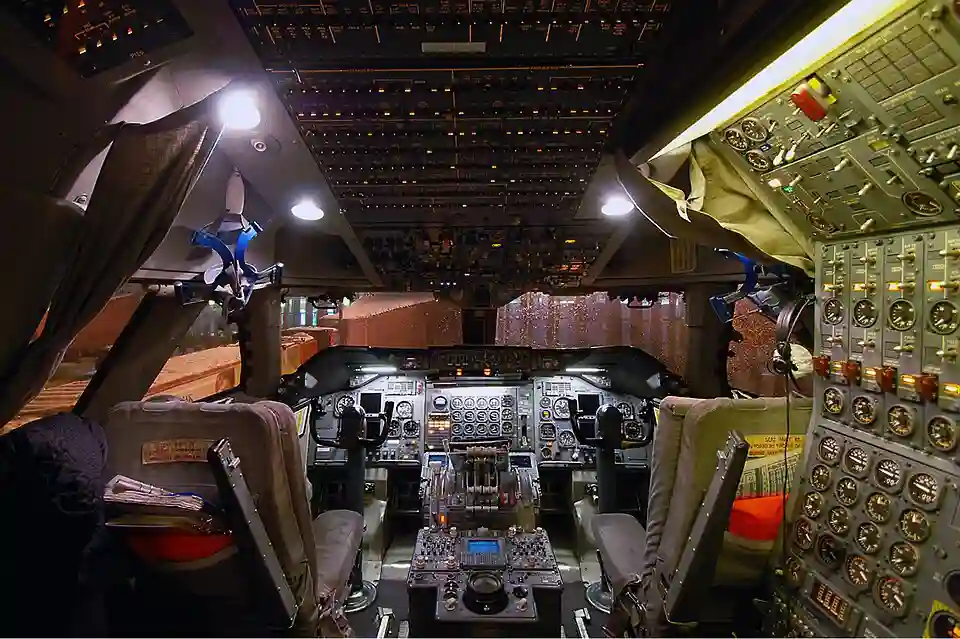
The cockpit remained an analog flight deck requiring three crew members: a captain, first officer, and flight engineer. The aircraft continued using established engines such as the Pratt & Whitney JT9D, General Electric CF6, and Rolls-Royce RB211.
These engines were reliable and proven, but newer technologies were emerging. Airlines increasingly wanted aircraft that could reduce crew costs and improve fuel efficiency through advanced systems.
The 747-300 therefore occupied an awkward position. It was too advanced to be considered merely another 747-200, but not advanced enough to represent the next generation of widebody aircraft.
It was a bridge between eras.
Boeing had solved the cabin problem, but the industry was already preparing for a broader technological transformation.
Airlines Proved The 747-300 Design Was Worth Copying
The strongest evidence of the 747-300’s success did not come from aircraft deliveries. It came from airlines that modified existing airplanes to copy its most important feature.
Several operators decided that the stretched upper deck was valuable enough to justify expensive conversions of their existing Boeing 747-200 fleets.
Among the most notable examples were KLM Royal Dutch Airlines and UTA, which invested in upper-deck modifications rather than simply waiting for new aircraft purchases.
This was a remarkable endorsement of Boeing’s design philosophy. Airlines were willing to spend significant amounts of money rebuilding aircraft they already owned because they believed the extended upper deck would generate additional revenue.
Few aircraft modifications receive a stronger vote of confidence.
The market response showed that airlines were not necessarily demanding a completely new jumbo jet. They wanted a more profitable version of the aircraft they already trusted.
Major operators of the 747-300 included:
- Singapore Airlines
- Japan Airlines
- Saudia
- Qantas
- Swissair
Singapore Airlines became the largest operator, with 14 aircraft in its fleet. These airlines primarily used the aircraft on high-demand international routes where additional passenger capacity and premium cabin flexibility created meaningful financial benefits.
However, Boeing understood that the next 747 needed more than a better cabin.
It needed a complete technological upgrade.
The Boeing 747-400 Turned The 747-300 Idea Into A Legend
When the Boeing 747-400 entered service in 1988, it became the aircraft most people associate with the modern jumbo jet silhouette. Yet the aircraft’s most recognizable feature was inherited directly from the 747-300.
The stretched upper deck had already been proven.
Boeing simply built the rest of the aircraft around that successful concept.
The 747-400 introduced a revolutionary two-person digital cockpit, eliminating the need for a flight engineer. It also received improved engines, updated avionics, aerodynamic refinements, and distinctive winglets that improved fuel efficiency.
The combination was exactly what airlines wanted: the passenger-friendly design of the 747-300 combined with modern operating economics.
The market response was extraordinary.
Boeing produced 694 passenger versions of the 747-400, making it the most successful passenger variant in the family. By comparison, only 81 Boeing 747-300 aircraft were built.
Those numbers often cause the 747-300 to be described as unsuccessful. But this interpretation ignores its influence.
The 747-400 succeeded partly because the 747-300 had already proven the value of the stretched upper deck.
Without that earlier aircraft, Boeing may never have known how strongly airlines valued the extended hump design.
The Forgotten Boeing 747 Variant That Defined Every Jumbo After It
The Boeing 747-300 occupies a unique position in aviation history. It was neither the beginning of the jumbo era nor its greatest commercial success. Instead, it was the aircraft that discovered the formula for the 747’s final and most famous shape.
Every passenger 747 that followed carried the visual DNA introduced by the 747-300.
The aircraft demonstrated that the upper deck was not just a novelty. It was valuable commercial space. It showed airlines that passengers appreciated premium areas above the main cabin. It proved that a relatively simple modification could improve revenue, efficiency, and passenger experience.
The irony is that the aircraft responsible for creating the iconic 747 silhouette is often forgotten because another aircraft perfected it.
The Boeing 747-400 became the legend, but the Boeing 747-300 created the foundation.
More than four decades later, the aircraft remains one of aviation’s most fascinating examples of innovation hidden behind limited production numbers. It was not the jumbo jet that conquered the world. It was the jumbo jet that showed Boeing exactly what the world wanted.
The 747-300 may have been a short chapter in Boeing’s history, but its influence continues every time a passenger looks at the unmistakable curved profile of a classic jumbo jet. The silhouette that defined generations of aviation did not begin with the aircraft everyone remembers.
It began with the one many people forgot.