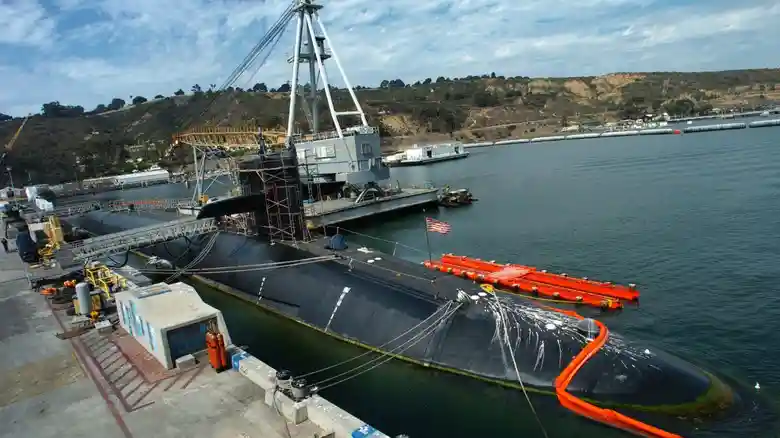
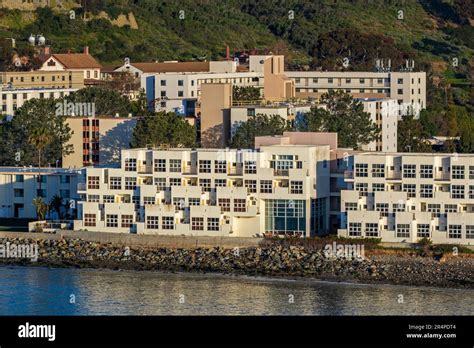
The U.S. Navy has banned sailors living in a San Diego barracks from using portable air conditioners, as Southern California continues to endure intense summer heat. The restriction affects Building 635 at Naval Base Point Loma, where residents were notified through a memo distributed on August 31. Sailors were reportedly given one week to remove their portable cooling units, followed by inspections.
The problem is not a new security rule or a prohibition on consumer electronics. Instead, the Navy says the aging building’s electrical infrastructure cannot safely support the heavy power demand created by portable air conditioners. According to Navy Region Southwest spokesperson Brian O’Rourke, the units frequently trip circuit breakers, creating a potential safety hazard for residents.
For sailors assigned to the building, however, the practical effect is immediate: fewer options for escaping oppressive indoor temperatures. San Diego is known for a mild climate, but temperatures in Southern California have still pushed into the 90s during summer. One sailor told KPBS that their room becomes uninhabitable during the day and remains too hot for comfortable sleep at night, despite using ceiling and stand-up fans.
Why Naval Base Point Loma Banned Portable AC Units
The Navy’s explanation points directly to infrastructure rather than operational security. Portable air conditioners can draw substantial electrical power, particularly when compressors cycle on during hot weather. In an older barracks electrical system, simultaneous use by multiple residents can overload circuits, trip breakers and potentially increase fire or equipment risks.
That distinction matters because the U.S. military has previously restricted consumer technologies for security reasons. Fitness apps, for example, created concerns because location data generated by service members could reveal sensitive information about military personnel and facilities. The Point Loma restriction is different: the central issue is whether the building’s electrical system can safely accommodate modern appliances.
Aging Barracks Face Infrastructure Problems
Building 635 is designated as Unaccompanied Housing, and the Navy has acknowledged plans to upgrade the Point Loma barracks. The timing and scope remain unclear, including whether Building 635’s electrical system will receive improvements needed to support portable air conditioning.
Federal funding could eventually help address the broader problem. Congress approved $1 billion for Unaccompanied Housing through the 2025 One Big Beautiful Bill Act, while the Navy has committed to upgrading the Point Loma barracks. Until construction begins and the building’s infrastructure is improved, sailors may have to rely on fans and whatever permanent cooling systems are available.
The controversy highlights a challenge facing military housing: modern living expectations can collide with aging infrastructure. For sailors in Building 635, the immediate issue is not convenience but whether their rooms can remain tolerable during extreme heat. The Navy’s planned investment may eventually address the underlying electrical limitations, but for now, portable air conditioners remain prohibited.