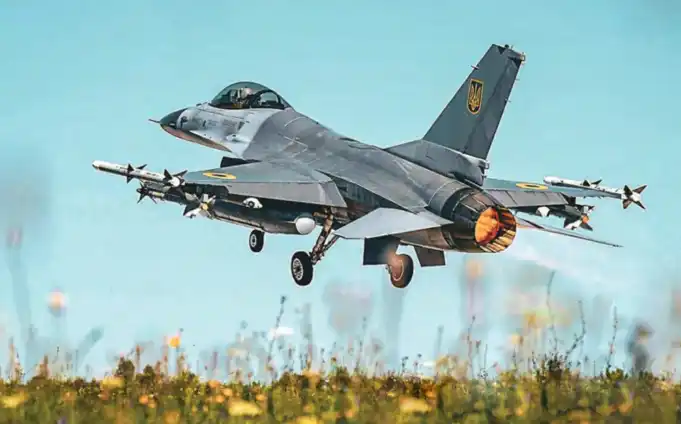
Ukraine’s deployment of F-16 fighter jets has evolved into a multifaceted operation characterized by innovative tactics, collaborative infrastructure, and adaptive strategies. As of March 2025, the operational blueprint of Ukraine’s F-16 units is underpinned by NATO alliances and agile responses to the dynamic security environment. This article delves into the intricate details of Ukraine’s F-16 bases, providing insights into forward operating hubs, training initiatives, domestic tactics, and strategic logistics that are reshaping modern aerial warfare.
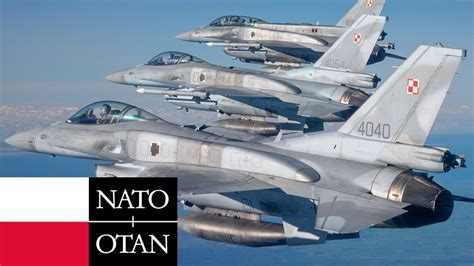
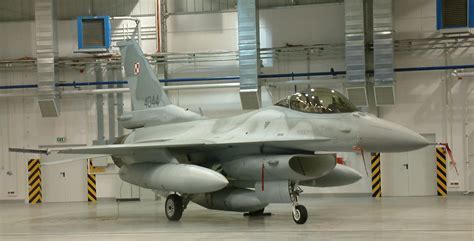
The cornerstone of this transformation is the reliance on NATO-allied forward operating bases. With heightened security concerns and constant threats from adversaries, Ukraine has strategically positioned its F-16 operations to benefit from allied support. Key among these is Poland’s Mirosławiec-Mazowieckie Air Base—situated merely 154 km from the Ukrainian border. This base not only functions as a transit hub for aircraft delivered under stringent radio silence protocols but also serves as the nucleus for future training and maintenance operations.
NATO-Backed Infrastructure
Mirosławiec-Mazowieckie Air Base: A Strategic Transit Hub
Poland’s Mirosławiec-Mazowieckie Air Base has emerged as a critical node in the regional defense network. By facilitating the smooth transfer of F-16s from NATO members like the Netherlands and Denmark, this base minimizes the risk of detection by hostile forces. Plans to establish a dedicated F-16 training center on this site underscore the commitment to accelerating pilot readiness and ensuring that aircraft are serviced with the utmost precision. This initiative is expected to streamline pilot training and maintenance processes, thereby reducing dependency on distant facilities such as Denmark’s EFTC.
Romania’s Borcea Air Base and the EFTC Program
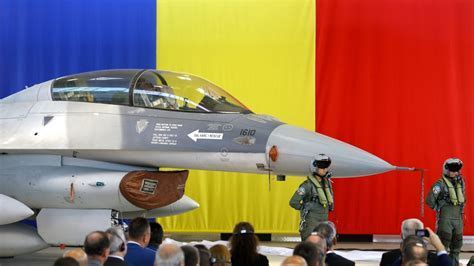
Equally pivotal is Romania’s Borcea Air Base, which functions as the operational heart for the European F-16 Training Center (EFTC) program. Ukrainian pilots receive intensive ground training at this facility, which is equipped with cutting-edge simulation environments and live combat exercise zones. With the support of NATO AWACS and specialized aerial refueling operations, pilots are exposed to realistic combat scenarios, further honing their skills and ensuring that they are prepared for the rigors of modern warfare.
Domestic Deployment: Innovation Under Pressure
Temporary Forward Airfields and Mobile Units
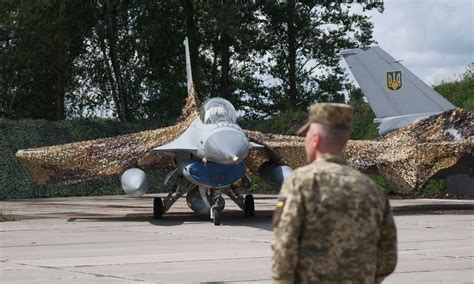
In contrast to the robust infrastructure provided by NATO, Ukraine’s domestic bases face a persistent barrage of challenges due to ongoing military strikes. To counteract these threats, F-16s are often deployed from temporary forward airfields in the western regions of the country. These airfields are ingeniously designed to incorporate mobile maintenance units and camouflaged shelters, ensuring rapid turnaround times for sorties and minimizing the window of vulnerability.
Decoy Tactics and Counter-Reconnaissance
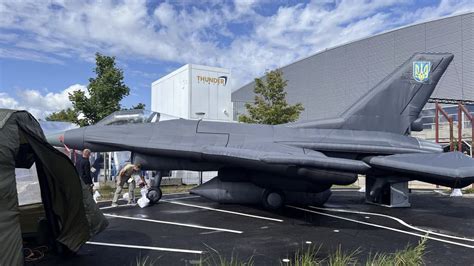
A hallmark of Ukraine’s defensive strategy is the deployment of inflatable F-16 replicas and advanced thermal/radar decoys. These countermeasures are engineered to mislead enemy reconnaissance and complicate targeting by adversaries. By creating a network of false targets, Ukraine effectively reduces the risk to its operational aircraft while maintaining a credible threat posture against modern surveillance systems. Such innovative decoy tactics are integral to ensuring the longevity and effectiveness of the F-16 fleet in contested airspace.
Logistical and Strategic Constraints
Dependence on NATO Infrastructure
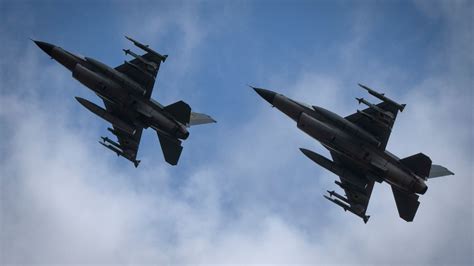
The operational model for Ukraine’s F-16 missions is heavily reliant on NATO infrastructure. Most sorties, especially those aimed at neutralizing Russian positions in regions such as Crimea or Donbas, are launched from bases in Poland or Romania. After executing their missions, aircraft promptly return to these secure hubs to avoid prolonged exposure to enemy interception. This tactical pattern underscores the importance of coordinated logistics and highlights the symbiotic relationship between Ukraine and its NATO allies.
Maintenance and Technical Challenges
One of the significant hurdles facing Ukraine is the shortage of domestic facilities equipped for advanced F-16 upkeep. The intricate systems and sophisticated technology of the F-16 demand specialized maintenance protocols that are not yet fully established within Ukraine. In response, Dutch and Danish contractors have been actively involved in setting up maintenance hubs in Poland. Meanwhile, essential repairs and upgrades are conducted at EFTC facilities in Romania, ensuring that the aircraft remain combat-ready despite the logistical complexities.
Future Expansion and Modernization
Scaling Up Training Infrastructure
Recognizing the limitations of current domestic capabilities, Ukraine is vigorously pursuing the expansion of its F-16 training centers. Discussions have surfaced regarding the establishment of a dedicated training facility in Poland, which would consolidate pilot instruction, routine maintenance, and operational deployment under one roof. The envisioned training center aims to harness the expertise of private contractors drawn from Western air forces, thereby elevating the proficiency of Ukrainian pilots and streamlining the integration of new aircraft into operational roles.
Aircraft Deliveries and Technological Upgrades
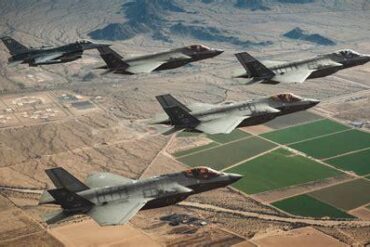
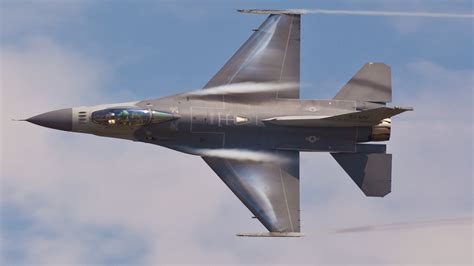
The anticipated delivery of 85 to 95 F-16 aircraft by late 2025 is set to significantly bolster Ukraine’s air defense capacity. These deliveries will primarily include upgraded Block 20 MLU variants, renowned for their improved radar capabilities and enhanced missile compatibility. Such technological upgrades are critical in maintaining a competitive edge against adversaries. However, it is important to note that a substantial portion of the current fleet comprises early Block 15/20 models, which, despite their proven track record, have limitations when confronting modern threats like the Su-35 fighter jets.
Strategic Risks and Mitigation Measures
Countermeasures and Electronic Warfare
The operational effectiveness of Ukraine’s F-16s is continually challenged by Russian countermeasures, notably the deployment of S-400 missile systems and long-range R-37M missiles. With ranges extending up to 400 km, these systems pose a significant risk even at standoff distances. In a bid to counteract these threats, Ukrainian pilots have adopted a low-altitude flight profile complemented by robust NATO electronic warfare support. This combined approach is instrumental in diminishing the impact of enemy targeting systems and ensuring the safe execution of combat missions.
Challenges with Aging Airframes
While the influx of new aircraft is promising, the aging airframes of many donated F-16s remain a persistent concern. Early models equipped with APG-66 radars do not offer the advanced threat detection capabilities necessary to engage modern adversaries effectively. As a result, Ukraine’s reliance on these older platforms underscores the need for ongoing upgrades and sustained international support to ensure that operational capabilities are not compromised in the long term.
A Future Shaped by Innovation and Collaboration
Ukraine’s F-16 operations represent a hybrid model of foreign basing, decentralized domestic deployment, and extensive NATO-backed logistics. This strategy, while effective in the short term, is under constant evolution as both tactical challenges and technological advancements continue to reshape the operational landscape. The integration of advanced training centers, the steady influx of upgraded aircraft, and innovative counter-reconnaissance measures are all critical components of a broader effort to fortify Ukraine’s air defense capabilities.
The nation’s determination to modernize its aerial warfare strategy is evident in the swift adaptation to the evolving security environment. Strategic investments in infrastructure and technology—coupled with enhanced pilot training and international collaboration—are laying the groundwork for a resilient and dynamic force. As Ukraine continues to navigate the complex terrain of modern warfare, sustained international support and cutting-edge technological integration will remain pivotal in securing its skies.
Conclusion
The evolution of Ukraine’s F-16 base operations is a testament to the nation’s strategic ingenuity and unwavering commitment to sovereignty. By leveraging NATO’s forward operating bases and integrating innovative domestic solutions, Ukraine has developed a robust yet adaptable framework for aerial defense. Despite facing formidable challenges—from maintenance constraints to advanced enemy countermeasures—the continued expansion of training infrastructure and the influx of upgraded aircraft signal a promising future for Ukraine’s air power. In this dynamic environment, the collaboration between Ukraine and its NATO allies serves as a cornerstone of both operational success and long-term strategic stability.
FAQ
What are the primary NATO bases supporting Ukraine’s F-16 operations?
Poland’s Mirosławiec-Mazowieckie Air Base and Romania’s Borcea Air Base are the key hubs, offering secure transit, comprehensive training programs, and advanced maintenance facilities critical for sustaining operational readiness.
How does Ukraine mitigate the risks posed by Russian countermeasures?
Ukraine employs a combination of low-altitude flight profiles, robust electronic warfare support from NATO, and innovative tactics such as decoy deployments to counteract the advanced missile systems and surveillance capabilities of Russian forces.
What future developments are expected in Ukraine’s F-16 program?
Future enhancements include the establishment of a dedicated F-16 training center in Poland, an anticipated delivery of up to 95 upgraded Block 20 MLU variants, and ongoing collaborations with NATO allies to upgrade maintenance and operational capabilities.