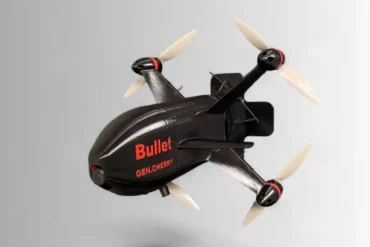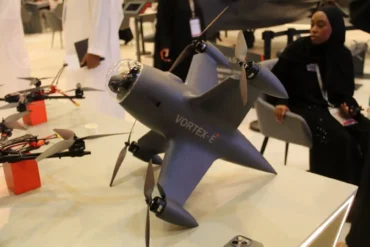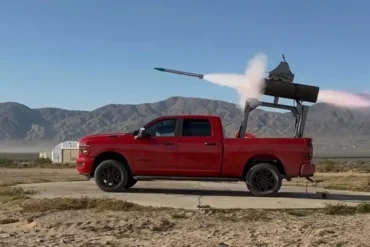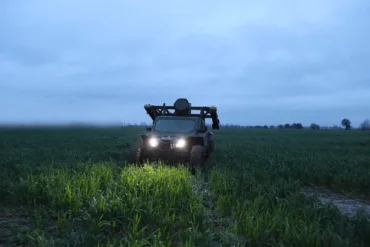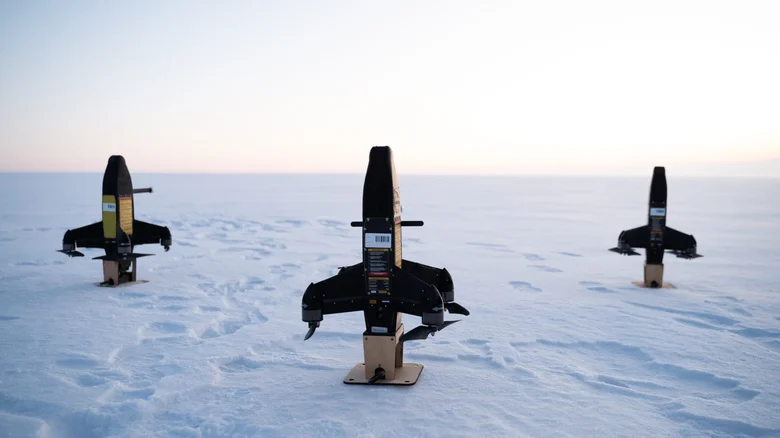
The battlefield over Ukraine has become a proving ground for a new kind of warfare—one where speed, cost-efficiency, and adaptability outweigh sheer firepower. As waves of low-cost attack drones attempt to overwhelm traditional defenses, Ukraine is responding with a solution that feels both elegant and disruptive: interceptor drones designed specifically to hunt other drones. At the center of this shift is the Strila, a high-speed aerial hunter engineered for precision and affordability.
This transformation is not just technological—it is economic. When a single incoming drone costs tens of thousands of dollars but requires a multi-million-dollar missile to intercept, the imbalance becomes unsustainable. Ukraine’s answer flips that equation, replacing expensive defensive reactions with agile, targeted countermeasures that meet drones on their own terms.
The Economics of Drone Warfare: Turning Cost into Strategy
Modern conflicts are increasingly shaped by cost asymmetry. Low-cost loitering munitions can be launched in large numbers, forcing defenders to either absorb damage or expend disproportionate resources. This dynamic has made traditional air defense systems feel like blunt instruments against swarms of smaller, cheaper threats.
Ukraine’s interceptor drones introduce a different logic. Instead of relying exclusively on high-value missile systems, these drones provide a scalable, cost-effective layer of defense. They are designed to intercept threats at a fraction of the cost, allowing for sustained operations without draining critical resources. This is not just a tactical improvement—it is a strategic recalibration that could define future air defense doctrines worldwide.
Strila Drone Capabilities: Speed, Precision, and Purpose
The Strila, whose name translates to “arrow,” lives up to its identity with remarkable speed and focus. Capable of reaching speeds of up to 220 mph, it is built to close distances rapidly, intercepting targets before they can penetrate deeper into defended airspace. Its aerodynamic frame and reinforced propellers are optimized for high-velocity engagements, ensuring stability even under intense operational stress.
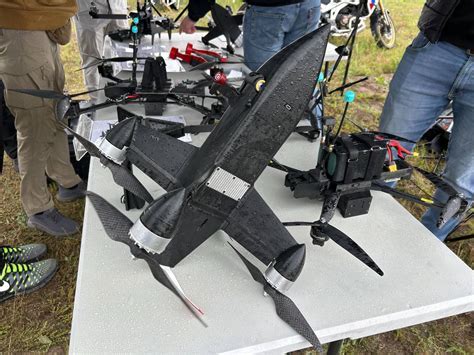
What sets the Strila apart is its hybrid operational model. Autonomous navigation systems guide the drone toward potential threats, handling detection and trajectory planning with machine efficiency. Once the target is within reach, control transitions to a human operator, who executes the final interception. This blend of automation and human judgment ensures both speed and precision—minimizing errors while maximizing effectiveness.
Equipped with daylight and thermal imaging systems, the drone maintains operational capability across varying conditions, including night missions and low-visibility environments. Its relatively short flight endurance—around ten minutes—is not a limitation but a deliberate design choice. The Strila is built for rapid-response interception missions, not prolonged surveillance.
Hybrid Warfare in the Sky: Humans and Machines in Sync
The integration of human decision-making with autonomous systems reflects a broader trend in modern warfare. Fully autonomous weapons raise ethical and operational concerns, while purely manual systems struggle to match the speed required in drone engagements. The Strila strikes a balance, allowing machines to handle repetitive, high-speed tasks while humans retain control over critical moments.
This synergy enhances situational awareness and reduces cognitive overload for operators. Instead of micromanaging every aspect of flight, operators can focus on engagement decisions, ensuring that each interception is both deliberate and effective. The result is a system that feels less like a tool and more like a collaborative extension of human capability.
A New Layer in Ukraine’s Air Defense Architecture
Interceptor drones like the Strila do not replace traditional air defense systems—they complement them. By handling lower-cost, high-volume threats, these drones free up advanced missile systems to focus on more complex or high-value targets. This layered approach creates a more resilient and flexible defense network, capable of adapting to evolving threats in real time.
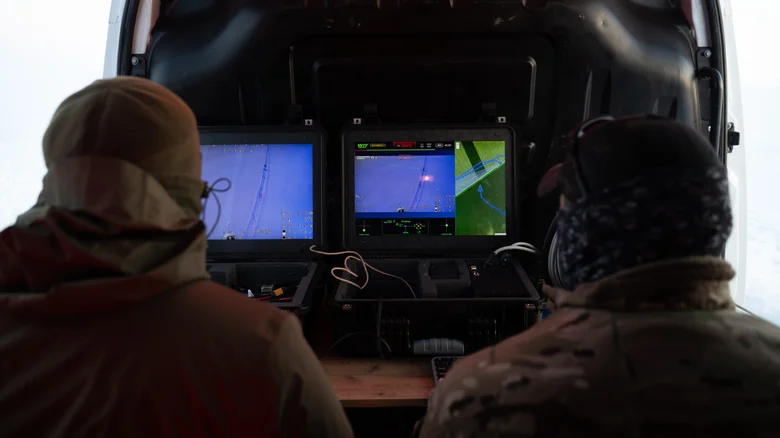
The addition of a return-to-base function further enhances operational efficiency. If a mission is aborted or a target is lost, the drone can safely return, preserving both hardware and investment. This seemingly small feature reflects a broader emphasis on sustainability and resource management in prolonged conflicts.
The Future of Aerial Defense: Fast, Smart, and Scalable
Ukraine’s deployment of interceptor drones signals a broader shift in how airspace is defended. Speed alone is no longer enough; intelligence, adaptability, and cost-efficiency are becoming the defining factors. Systems like the Strila demonstrate that effective defense does not always require larger or more expensive weapons—sometimes, it demands smarter ones.
As drone technology continues to evolve, the concept of drones intercepting drones may soon become standard practice rather than innovation. What is unfolding in Ukraine today offers a glimpse into the future of warfare: one where agile systems outmaneuver brute force, and precision replaces excess.