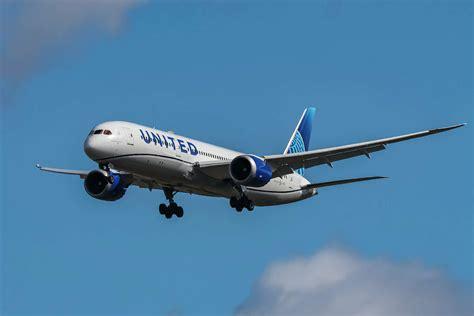
United Airlines is strengthening its position as the leading U.S. carrier in Mexico with the addition of its 25th destination in the country. The airline has confirmed that it will resume service between Houston George Bush Intercontinental Airport (IAH) and Tuxtla Gutiérrez Ángel Albino Corzo International Airport (TGZ) in the southern Mexican state of Chiapas, restoring a route that had been absent from its network for more than a decade.
The newly announced service marks a significant expansion of United’s already extensive Mexico operation. More importantly, the route will establish the only direct air link between Tuxtla Gutiérrez and the United States, providing travelers, business passengers, and visiting family members with a nonstop connection to one of United’s largest hubs.
The return of flights to Chiapas reflects growing demand for cross-border travel and further reinforces Houston’s role as United Airlines’ primary gateway to Mexico. The carrier previously operated flights to Tuxtla Gutiérrez between 2010 and 2013 before withdrawing from the market. The latest relaunch signals renewed confidence in the region’s travel potential and economic importance.
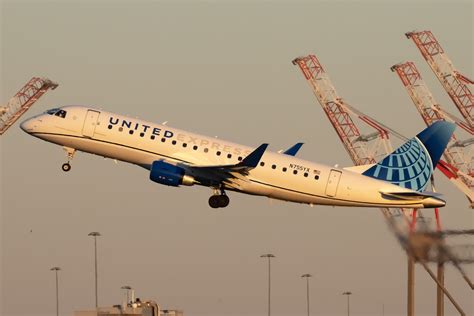
United Airlines To Launch Three Weekly Flights To Tuxtla Gutiérrez
The route is scheduled to begin on October 28, with service operating three times per week. Flights will be operated under the United Express brand by regional partner SkyWest Airlines, utilizing the Embraer E175, one of the most popular regional jets in North America.
Southbound flights will depart Houston at 9:50 a.m. and arrive in Tuxtla Gutiérrez at 12:45 p.m., with a scheduled flight time of approximately two hours and 55 minutes. The return service will leave Chiapas at 1:35 p.m. and arrive back in Houston at 4:19 p.m., taking approximately two hours and 44 minutes.
Covering a distance of roughly 907 miles (1,459 kilometers), the route provides a convenient nonstop option that eliminates the need for connecting flights through Mexico City or other domestic hubs. Tickets are already available through United’s booking channels, with round-trip fares currently listed at around $938 for Economy Standard seating, depending on travel dates and availability.
Why Tuxtla Gutiérrez Matters To United Airlines
Although Tuxtla Gutiérrez may not enjoy the international recognition of destinations such as Cancún or Los Cabos, it serves as the principal gateway to Chiapas, one of Mexico’s most culturally rich and naturally diverse states.
The region attracts visitors seeking access to iconic attractions including Palenque, one of the most important Mayan archaeological sites in the country, as well as the breathtaking Sumidero Canyon and numerous ecological reserves. Chiapas also maintains strong commercial and family connections with communities in Texas and throughout the United States.
By connecting Tuxtla Gutiérrez directly with Houston, United opens easier access to both leisure and business travelers while providing seamless onward connections through its extensive global network.

United Now Serves 25 Destinations Across Mexico
The addition of Tuxtla Gutiérrez further expands what is already one of the most comprehensive Mexico networks offered by any U.S. airline.
United Airlines now serves 25 Mexican destinations, including major tourism centers, industrial hubs, and emerging regional markets. Cities in the network include Cancún, Mexico City, Guadalajara, Monterrey, Puerto Vallarta, San José del Cabo, Oaxaca, Mérida, Veracruz, Puebla, Querétaro, Tulum, and many others.
Houston remains the backbone of these operations. According to aviation data, approximately 57% of United’s Mexico flights between June and December originate from the Texas hub. The airport functions as a strategic connection point for passengers arriving from throughout the United States, Canada, Europe, and Asia before continuing to Mexico.
In November alone, some of United’s busiest Mexico routes from Houston include Cancún, Mexico City, and Monterrey, each receiving 42 weekly flights, equivalent to six departures per day. Guadalajara, León/Guanajuato, and Querétaro each receive 21 weekly services, while destinations such as San José del Cabo, Aguascalientes, San Luis Potosí, and Tampico receive 14 weekly flights.
Overall, United operates an average of 46 daily departures to Mexico from Houston, totaling approximately 322 weekly flights.
What Passengers Can Expect On The Embraer E175
Travelers flying the new route will experience the comfort of the Embraer E175, a regional aircraft widely praised for its passenger-friendly cabin design.
The aircraft accommodates between 70 and 76 passengers and offers seating across United First, Economy Plus, and Economy cabins. Unlike many smaller regional aircraft, the E175 features a spacious interior, large windows, and a two-by-two seating layout that eliminates middle seats entirely.
Passengers will also have access to WiFi connectivity and United’s onboard entertainment platform, allowing movies, television programs, and other content to be streamed directly to personal devices throughout the journey.

A Major International Milestone For Tuxtla Gutiérrez Airport
United’s return carries particular significance for Tuxtla Gutiérrez Airport itself. Once the route launches, it will become the airport’s only international service, distinguishing it from the predominantly domestic network currently offered.
Most flights at the airport are operated by Mexican carriers, particularly Viva Aerobus, which serves destinations including Cancún, Guadalajara, Mérida, Monterrey, Tijuana, and both Mexico City airports.
Interestingly, the airport’s longest domestic route to Tijuana International Airport spans approximately 1,858 miles (2,990 kilometers)—more than double the distance of United’s new Houston service. Despite being an international route, the flight to Houston is comparatively short and ideally positioned for both business and leisure travel.
The restoration of service demonstrates confidence in the economic and tourism prospects of southern Mexico while giving travelers a direct gateway between Chiapas and the United States. For United Airlines, the route strengthens an already dominant presence in Mexico and underscores the carrier’s ongoing strategy of expanding connectivity to underserved yet strategically important markets.