United Airlines’ ambitious new route connecting San Francisco International Airport (SFO) with Adelaide Airport (ADL) has delivered a surprising early result. The nearly 16-hour ultra-long-haul service, launched as the first nonstop connection between North America and South Australia, recorded a seat occupancy rate of only 52.7% during its first operating season.
The route represented a major strategic move for United, expanding its already significant presence in the Australia and New Zealand market. According to US Department of Transportation data, United carried approximately 850,000 round-trip passengers between the United States and the region in the 12 months through March 2026, making it the second-largest operator in the market.
United’s decision to introduce the SFO-Adelaide service was notable because it created a completely new international airport connection. While established routes often benefit from years of customer awareness and proven demand, brand-new ultra-long-haul markets carry significant uncertainty. Airlines must carefully balance operational costs, aircraft utilization, and passenger demand before deciding whether a route can become sustainable.
United Airlines’ Longest New Australia Route Faces Early Challenges
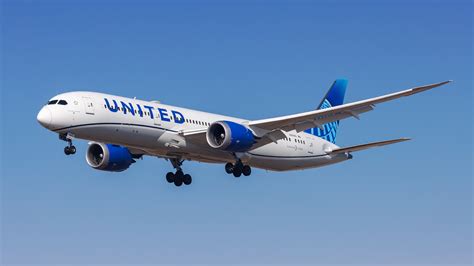
The Boeing 787-9 Dreamliner was selected for the new service, with flights operating three times weekly during the first season. The journey took up to 15 hours and 55 minutes, making it one of the longest flights in United’s global network.
The route operated between December 11, 2025, and March 26, 2026, covering the peak Australian summer travel period. Despite operating during a traditionally stronger travel season, passenger numbers remained lower than expected. United transported 11,778 round-trip passengers, filling just over half of the available seats.
However, aviation analysts often caution against judging new routes too quickly. Long-haul services frequently require time to establish awareness among travelers, develop corporate partnerships, and build consistent demand. A new nonstop route between two cities that previously had no direct connection can take several seasons to mature.
The results also reflected seasonal travel patterns. The strongest month was December 2025, when the load factor reached 68.5%, helped by holiday travel demand. In contrast, February 2026 produced the weakest performance, with aircraft seats filled at only 33.7%. February is typically a challenging month for airlines serving Australia because it falls outside major vacation periods.
Why the San Francisco-Adelaide Route Was a High-Risk Launch
Launching a new international route requires significant financial commitment. Long-distance flights involve expensive aircraft operations, large fuel requirements, and substantial crew costs. When demand is uncertain, airlines often seek assistance through government incentives or revenue-sharing agreements.
United reportedly received support from the Government of South Australia to help establish the connection. Such agreements are designed to reduce the initial risk for airlines while generating broader economic benefits through increased tourism, business travel, and cargo opportunities.
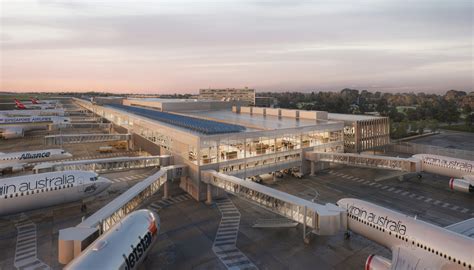
For Adelaide, the route provided a direct gateway to the United States market. For United, it offered the opportunity to capture passengers traveling between South Australia and North America without requiring connections through Sydney, Melbourne, or other major hubs.
Despite the disappointing first-season numbers, the route’s performance cannot be measured only by passenger volume. Airlines also consider factors such as ticket revenue, cargo demand, connecting traffic, and long-term market potential. A flight with moderate passenger numbers can still succeed if it attracts higher-paying travelers or generates valuable network connections.
United Reduces Operating Period for the Second Season
United has already adjusted the schedule for the route’s second season, suggesting the airline is taking a more targeted approach. Instead of operating for several months, the SFO-Adelaide service will run for only six weeks during the next season.
Flights are scheduled to begin on December 17, 2026, with the final departure from San Francisco on January 30, 2027. The service will continue operating three times weekly with the Boeing 787-9.
Reducing the operating period is a common airline strategy. By focusing capacity on the strongest demand period, carriers can improve seat occupancy, increase fares, and reduce exposure during weaker travel months.
The schedule also highlights the importance of connecting passengers. Data from the first season showed that many travelers used San Francisco as a transfer point rather than ending their journey there. Popular connecting destinations included New York, Los Angeles, London, Washington DC, and Denver.
The Future of United’s Adelaide Experiment
United Airlines’ SFO-Adelaide route demonstrates the complexity of launching ultra-long-haul aviation services. A nonstop flight lasting nearly 16 hours requires more than aircraft capability; it depends on sustained passenger demand, competitive pricing, and strong market awareness.
The initial 53% load factor may appear disappointing, but new international routes often require several years before reaching their full potential. United’s decision to shorten the seasonal schedule indicates that the airline is adapting rather than abandoning the market.
The Adelaide connection remains an important test of whether direct flights between smaller international markets and major global hubs can succeed. As travel patterns continue changing, airlines will increasingly evaluate routes based not only on current demand but also on future growth opportunities.