United Airlines is executing one of the most ambitious cabin transformation strategies in modern aviation, reshaping not just its premium cabins but the entire passenger experience across every fare class. At the heart of this evolution lies a bold idea: premium travel should not be confined to the front of the aircraft. Instead, it should be embedded across fleets, routes, and seating categories—accessible, scalable, and deeply differentiated.
This vision is being realized through targeted investments in three key aircraft types, each serving a distinct role in United’s network while collectively reinforcing a unified passenger experience philosophy. From long-haul widebodies to next-generation narrowbodies and reinvented regional jets, the airline is engineering a future where comfort, flexibility, and thoughtful design converge.
Reimagining Economy: The Rise of United Relax Row on Long-Haul Flights
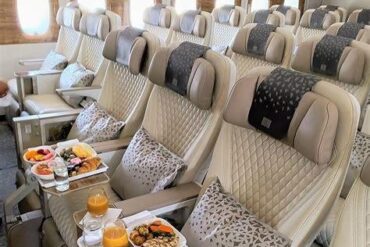
United’s most disruptive innovation may not be found in business class, but in economy. The introduction of “Relax Row” seating on the Boeing 787 and 777 signals a fundamental shift in how airlines think about long-haul comfort for non-premium passengers.
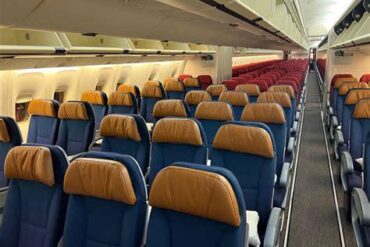
Rather than simply offering marginal improvements like extra legroom or upgraded meals, United is introducing convertible seating rows that transform into couch-like spaces. These rows feature adjustable leg rests that elevate up to 90 degrees, allowing passengers to stretch out in ways previously unimaginable in standard economy.
This is not a gimmick—it is a calculated response to evolving passenger expectations. Travelers increasingly seek flexibility: the ability to sleep, lounge, or share space with companions. Relax Row addresses these needs with integrated mattress pads, blankets, pillows, and even child-friendly travel kits, making it especially appealing for families and couples.
By allocating up to a dozen such rows on long-haul aircraft, United is effectively creating a new sub-class within economy—one that bridges the gap between affordability and comfort without requiring a business class fare.
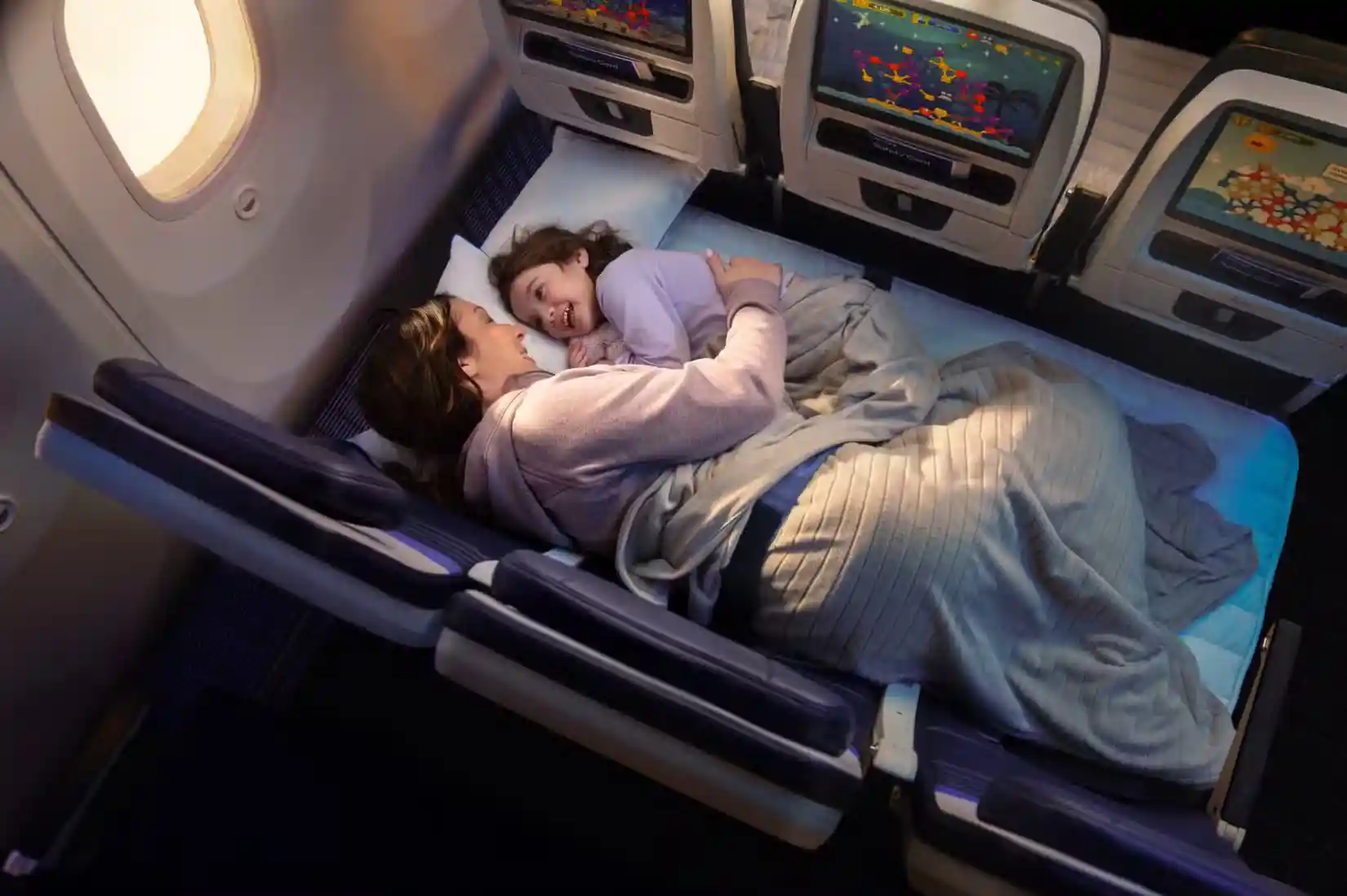
The strategic implication is clear: United is not just upgrading seats; it is redefining value perception in economy class. In doing so, it challenges competitors to rethink how comfort can be democratized without eroding yield.
Narrowbody, Widebody Feel: The A321neo Coastliner Strategy
While long-haul innovation captures headlines, United’s investment in the Airbus A321neo family reveals a deeper operational strategy—bringing widebody-style comfort to high-demand domestic routes.
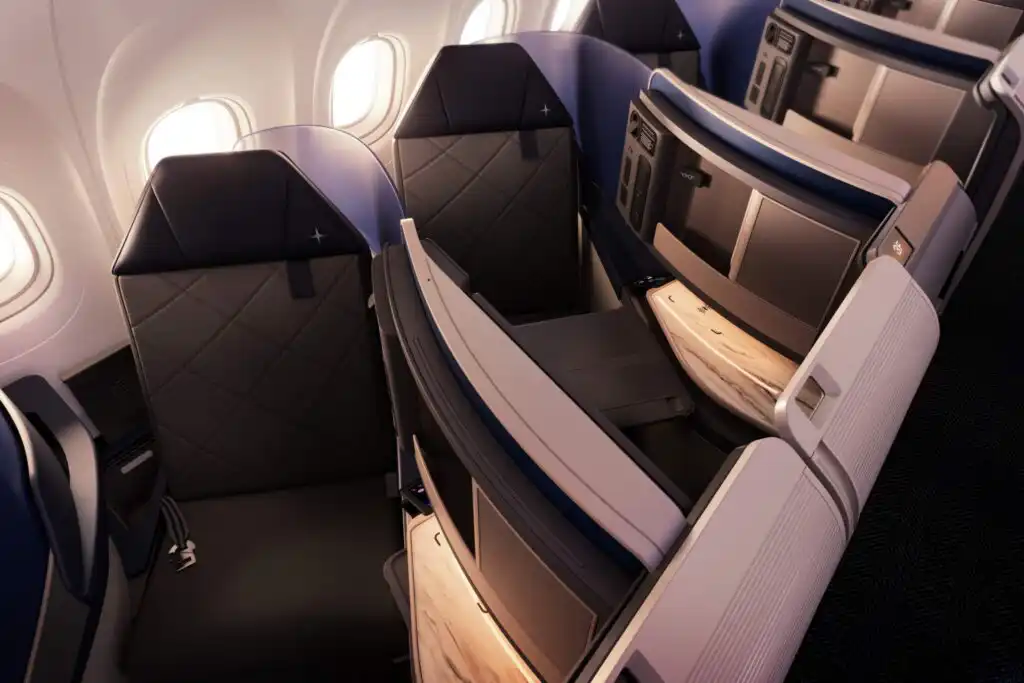
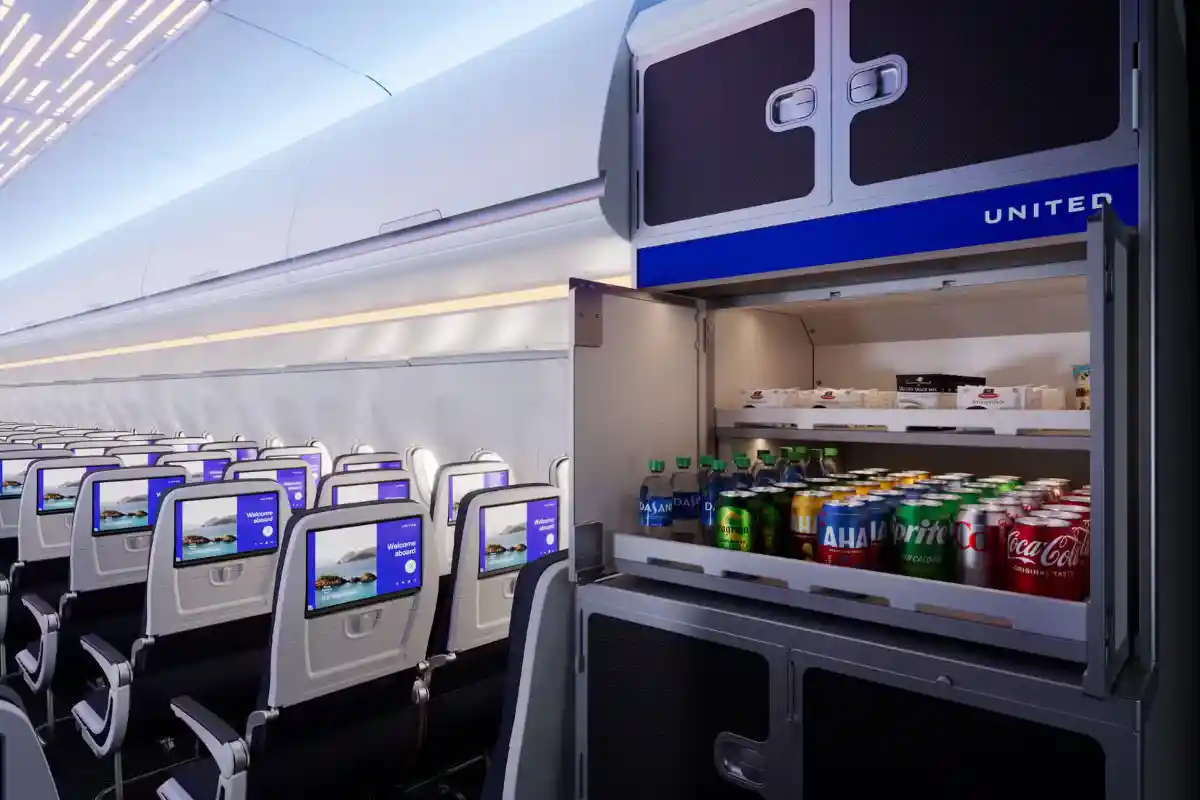
The A321neo “Coastliner” variant is purpose-built for transcontinental routes connecting major hubs like Los Angeles, San Francisco, and Newark. These aircraft feature a premium-heavy configuration, including lie-flat Polaris seats with all-aisle access—an offering traditionally reserved for widebody jets.
This is a decisive move in a highly competitive market segment. Transcontinental routes are among the most lucrative in the United States, attracting business travelers who demand both efficiency and comfort. By deploying narrowbody aircraft with widebody-level amenities, United achieves a dual advantage: operational flexibility and enhanced passenger experience.
Beyond seating, the inclusion of onboard snack bars introduces a subtle but impactful element of self-service luxury. It transforms the cabin environment into something more akin to a lounge than a traditional aircraft interior.
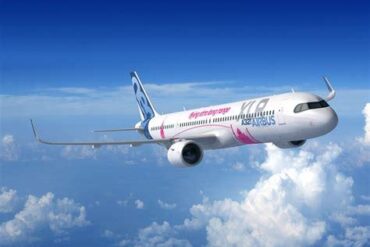
The Coastliner concept is also visually distinct, featuring a unique livery that reinforces its premium positioning. This attention to branding underscores United’s broader goal: to make every touchpoint—from booking to boarding to inflight experience—feel cohesive and elevated.
Extending Reach: The A321XLR and the Future of Long-Thin Routes
United’s adoption of the Airbus A321XLR represents a strategic leap in route planning and network optimization. Designed for extended range, this aircraft enables the airline to operate long-haul routes with lower demand—often referred to as “long-thin” routes—more efficiently than traditional widebody aircraft.
Replacing aging Boeing 757-200s, the A321XLR brings a modernized cabin with 32 premium seats and expanded communal spaces, including a larger snack bar. The deliberate removal of seats to accommodate these features reflects a prioritization of passenger experience over sheer capacity.
This aircraft is particularly significant for transatlantic and South American routes, where demand may not justify larger aircraft but still warrants a high-quality product. By offering widebody-like comfort on a narrowbody platform, United is effectively expanding its premium footprint into markets that were previously underserved.
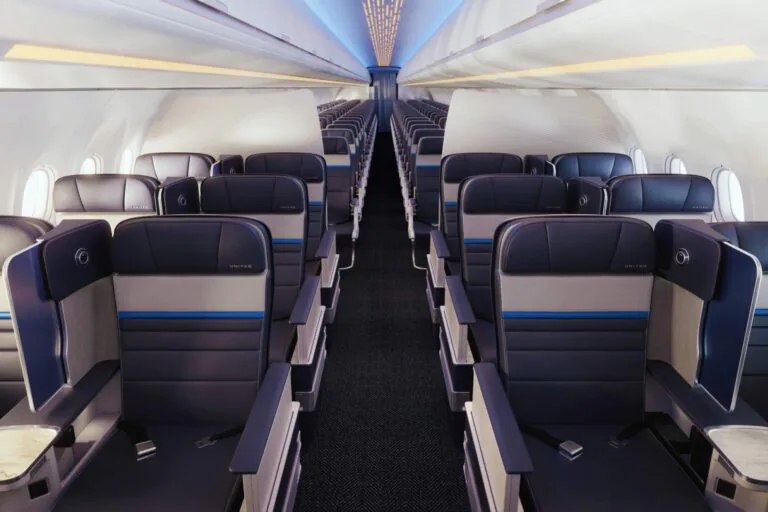
The A321XLR is not just an aircraft; it is a network enabler. It allows United to explore new destinations, increase frequency on existing routes, and maintain a consistent product standard across its global operations.
Regional Reinvention: The CRJ450 and the Private Jet Illusion
Premium transformation does not stop at long-haul or transcontinental flights. United’s introduction of the CRJ450 regional jet demonstrates a commitment to elevating short-haul travel—an area often overlooked in airline innovation.
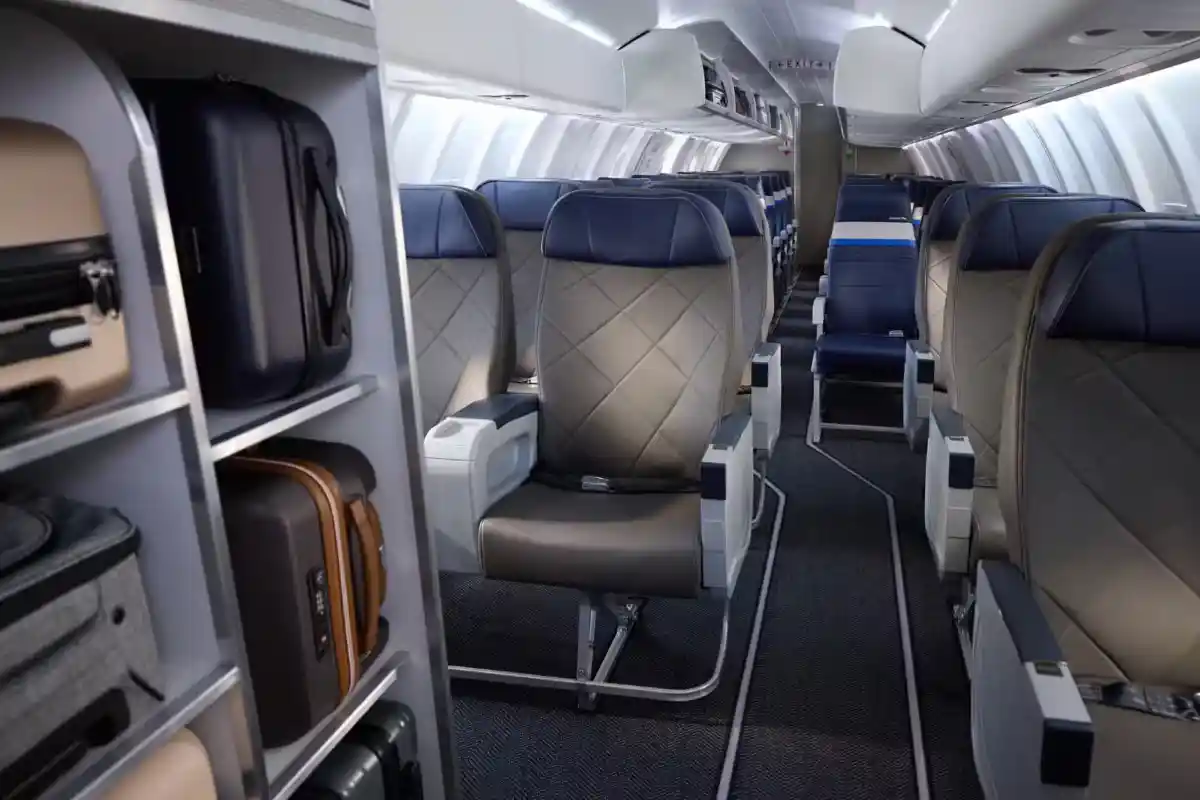
Derived from the CRJ200 platform but heavily redesigned, the CRJ450 offers a two-class configuration with just 41 seats. This low-density layout creates a sense of exclusivity rarely found in regional aviation.
One of the most striking features is the replacement of overhead bins in the first-class cabin with a dedicated luggage closet, creating a more open and spacious environment. In economy, redesigned bins accommodate larger carry-ons, addressing a common pain point for travelers.
Perhaps the most transformative addition is onboard connectivity powered by Starlink. High-speed internet access across all seats ensures that passengers remain connected, productive, and entertained—regardless of flight duration.
This approach effectively blurs the line between commercial and private aviation. By focusing on space, connectivity, and thoughtful design, United is delivering a regional experience that feels bespoke rather than utilitarian.
A Unified Vision: Premium as a Scalable Experience
What makes United’s strategy particularly compelling is its coherence. Each aircraft type serves a specific operational purpose, yet all contribute to a unified vision of premium accessibility.
Rather than isolating luxury within a single cabin, United is distributing elements of premium experience—space, comfort, connectivity, and flexibility—across its entire fleet. This approach aligns with broader industry trends, where passengers increasingly value experience over hierarchy.
It also reflects a deeper understanding of modern travel behavior. Today’s passengers are not defined solely by fare class; they are defined by context. A business traveler may fly economy on one trip and business class on another. A family may prioritize space over status. United’s strategy accommodates these nuances, offering tailored experiences without rigid boundaries.
The result is a more inclusive definition of premium—one that resonates across demographics and travel purposes.
Conclusion: Redefining the Competitive Landscape
United Airlines is not merely upgrading its fleet; it is redefining the competitive landscape of commercial aviation. By investing in three distinct aircraft types and embedding premium features across all cabins, the airline is challenging long-standing assumptions about what air travel should feel like.
This is a strategy rooted in both innovation and pragmatism. It leverages new aircraft capabilities, responds to evolving passenger expectations, and creates differentiated products that stand out in a crowded market.
As these aircraft enter service over the coming years, the impact will extend far beyond United’s network. Competitors will be forced to respond, passengers will recalibrate their expectations, and the definition of “premium” will continue to evolve.
In this new era, premium is no longer a seat—it is an experience, thoughtfully designed and universally accessible.