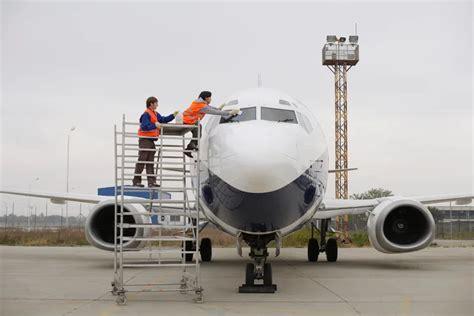
In the dynamic world of aviation, maintaining a pristine and hygienic aircraft environment is vital for both operational efficiency and passenger satisfaction. Aircraft cleaners serve as the unseen yet indispensable force that ensures aircraft are impeccably clean, safe, and ready for every departure. This guide offers a comprehensive look into what an aircraft cleaner does, how to become one, and the professional skills required for success in this critical role.
What Does an Aircraft Cleaner Do?
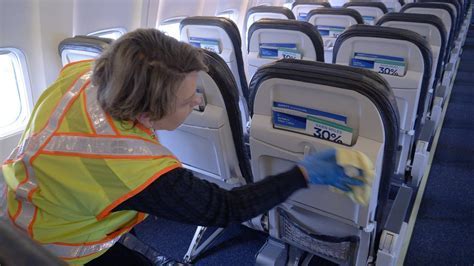
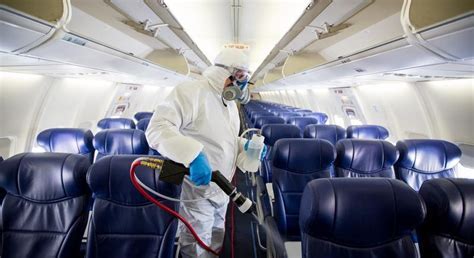
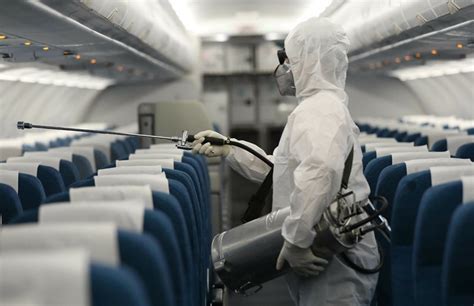
An aircraft cleaner is responsible for the thorough cleaning and restocking of the aircraft’s interior spaces. Their tasks are integral to maintaining health standards, enhancing passenger comfort, and ensuring regulatory compliance. Cleaners systematically address every section of the cabin, from seats and tray tables to lavatories and overhead compartments. They collect and dispose of waste, sanitize surfaces, vacuum floors, and ensure that no personal items are left behind.
Beyond basic cleaning, aircraft cleaners collaborate closely with other aviation professionals, including baggage handlers, cabin crew, and catering teams. Their role also encompasses restocking supplies such as pillows, blankets, and magazines to prepare the cabin for the next group of travelers. This meticulous process must often be completed within tight turnaround windows, requiring both speed and precision.
Requirements to Become an Aircraft Cleaner
Embarking on a career as an aircraft cleaner typically requires a high school diploma or equivalent. While this is considered an entry-level position, candidates must obtain security clearance to work in secure airport zones. This involves background checks and identity verification to meet stringent aviation security standards.
Experience in janitorial services, custodial work, or cleaning roles is advantageous, as it demonstrates familiarity with cleaning techniques and equipment handling. Additionally, airlines value individuals who are detail-oriented, reliable, and capable of effective communication within a team-oriented environment.
Candidates must be physically fit, able to lift heavy equipment, and comfortable working variable shifts, including nights, weekends, and holidays.
Is an A&P or AMT Certification Needed?
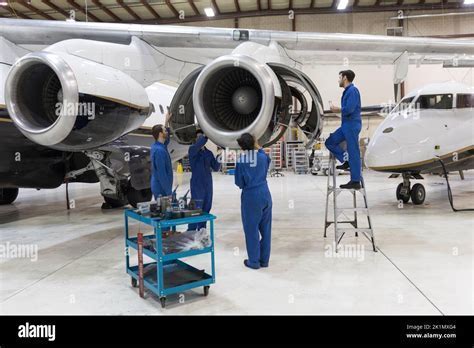
Aspiring aircraft cleaners are not required to hold an Airframe and Powerplant (A&P) or Aircraft Maintenance Technician (AMT) certification. These credentials are reserved for maintenance roles involving mechanical and structural aircraft systems. Aircraft cleaners focus strictly on the cleaning and presentation aspects, ensuring that the cabin environment remains spotless and ready for safe, comfortable travel.
Tasks typically involve:
- Vacuuming carpets and seats
- Disinfecting restrooms and tray tables
- Polishing windows and mirrors
- Tidying and organizing cabin supplies
- Handling and disposing of waste
There is no mechanical work involved, keeping the role distinct from technical maintenance positions.
What Does an Aircraft Cleaner Do on a Resume?
When crafting a resume, an aircraft cleaner should highlight key responsibilities that showcase their attention to detail, adherence to safety standards, and collaboration skills. Typical resume points include:
- Executed thorough interior and exterior aircraft cleaning in compliance with FAA standards.
- Prepared cleaning solutions, operated vacuum equipment, and manually sanitized high-touch areas.
- Maintained quality control by performing final inspections before flight readiness.
- Collaborated with aviation teams to optimize turnaround times without compromising cleaning standards.
- Ensured complete restocking of passenger amenities in accordance with airline guidelines.
Key Skills Needed to Be an Aircraft Cleaner
Success in aircraft cleaning demands a robust set of practical and interpersonal skills. Critical skills include:
- Attention to Detail: Ensuring no debris, stains, or disorderly items remain.
- Cleaning and Sanitization Expertise: Mastery of cleaning protocols and safe chemical use.
- Time Management: Completing cleaning tasks within limited turnaround windows.
- Team Collaboration: Working smoothly with other cleaners and ground staff.
- Safety Compliance: Strict adherence to aviation safety and hygiene regulations.
- Inventory Management: Monitoring and replenishing cleaning and cabin supplies.
- Quality Control: Maintaining high standards of cleanliness across all aircraft zones.
- Communication Skills: Effectively reporting damage or maintenance concerns to supervisors.
- Customer Service Orientation: Although indirect, contributing to passenger satisfaction through cleanliness.
These skills ensure not only efficient cleaning but also elevate the overall quality of the airline experience.
Aircraft Cleaner Job Description Explained
An aircraft cleaner’s official duties are carefully outlined to ensure alignment with operational, safety, and customer service standards. A typical job description includes:
Duties and Responsibilities
- Interior Cleaning: Comprehensive cleaning of seats, tray tables, floors, and windows.
- Sanitization: Application of approved disinfectants on all passenger touchpoints.
- Trash Removal: Efficient collection and disposal of waste, avoiding contamination.
- Restocking: Replenishing cabin essentials like blankets, pillows, and safety cards.
- Equipment Maintenance: Keeping cleaning tools in optimal working condition.
- Damage Reporting: Identifying and notifying supervisors of interior issues.
- Team Collaboration: Coordinating with the cleaning crew to streamline aircraft preparation.
- Quality Assurance: Conducting pre-departure inspections to verify cleanliness.
- Regulatory Adherence: Staying informed on industry cleaning standards and protocols.
Requirements and Qualifications
Employers generally seek candidates who fulfill the following:
- Educational Background: High school diploma or equivalent.
- Work Experience: Previous janitorial or aviation cleaning experience preferred.
- Technical Knowledge: Familiarity with cleaning chemicals and equipment.
- Physical Stamina: Ability to stand, lift, and move heavy items during shifts.
- Communication Ability: Clear verbal and written communication skills.
- Flexibility: Willingness to work various shifts, including overnight or weekend schedules.
- Security Clearance: Completion of required background and security checks.
These qualifications ensure that cleaners not only meet cleanliness benchmarks but also fit within the secure, time-sensitive framework of airport operations.
The Pathway to a Career as an Aircraft Cleaner
While becoming an aircraft cleaner does not require extensive certification or formal training, building a successful career in this field depends on cultivating strong habits, reliability, and an exceptional work ethic. Many aircraft cleaners leverage the experience to advance within airline operations, transitioning into supervisory, safety, or ground operations roles over time.
In addition, demonstrating consistent excellence in cleaning standards, following procedures precisely, and contributing to team efficiency can open doors to broader opportunities within aviation services. Some airlines provide internal training programs and leadership development initiatives that recognize high-performing cleaners.
Conclusion
An aircraft cleaner is a vital player in the aviation ecosystem, ensuring that every journey begins in a clean, safe, and comfortable environment. Through meticulous cleaning, attention to detail, and commitment to aviation standards, aircraft cleaners uphold the reputation and operational success of airlines around the world. Those seeking to enter this profession will find it a rewarding entry point into the dynamic, fast-paced world of aviation, offering both immediate satisfaction and longer-term career growth potential.