For centuries, the evolution of seafaring has been shaped by the pursuit of stability, buoyancy, and control at sea. From primitive wooden boats to today’s colossal container ships, one fundamental principle remains unchanged: vessels need ballast to sail safely. Ballast is one of the most critical yet invisible components of naval architecture, ensuring that ships can withstand unpredictable ocean conditions, carry varying loads, and remain maneuverable even when faced with the most challenging seas.
What Is Ballast?
At its core, ballast is added weight placed within a vessel to optimize its balance and buoyancy. This weight ensures that the ship’s center of gravity remains low enough to prevent capsizing while helping the hull cut through the water with greater efficiency. Without ballast, a vessel risks becoming top-heavy, overly buoyant, and dangerously unstable. The result could be catastrophic — from uncontrollable swaying to full capsizing — making ballast a non-negotiable element in modern ship design.

Historically, ballast took simple forms: rocks, stones, sand, or even scrap metal packed into a ship’s lowest compartments. These crude but effective solutions allowed early mariners to improve stability when cargo was scarce. Today, ballast has evolved dramatically. Modern vessels, from sleek racing yachts to massive container ships, use complex ballast systems to dynamically adjust their balance, often with the help of high-capacity pumps, tanks, and sensors.
Why Do Ships Need Ballast?
A ship must perform multiple functions simultaneously: float securely, resist rolling and pitching, and steer predictably. Ballast enables all of these. It ensures that a vessel sits at the correct draft (the depth it rests in the water), maintains a stable trim (angle from bow to stern), and remains resilient against shifting forces caused by waves, winds, and onboard cargo movements.
In short, ballast ensures:
- Stability: Prevents the ship from capsizing by lowering the center of gravity.
- Control: Maintains an optimal trim for steering efficiency and fuel economy.
- Buoyancy management: Keeps vessels at the correct draft regardless of load.
- Adaptability: Allows ships to handle various cargo conditions and sea states.

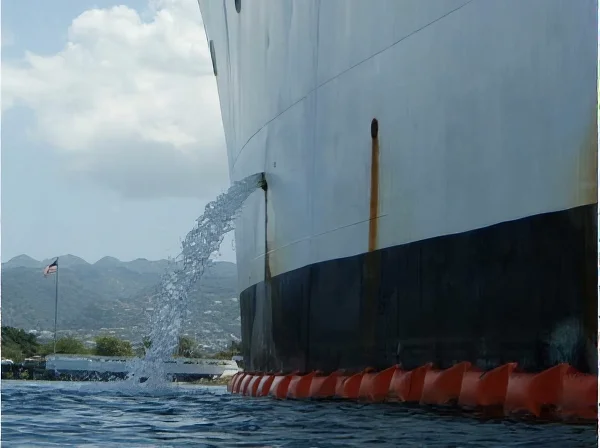
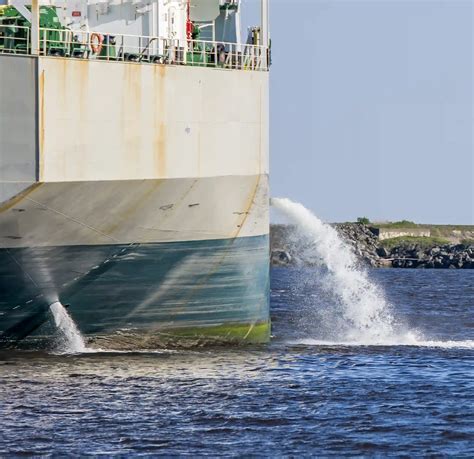
For instance, when a container ship is unloaded, its weight drastically decreases, making it ride too high in the water. This raises its center of gravity, increasing the risk of instability. In such cases, ballast water is pumped into its tanks to restore balance and reduce excessive rolling. Conversely, when fully loaded, ballast water can be discharged to prevent overloading and maintain safe buoyancy.
Types of Ballast: Solid vs. Water Systems
Different vessels demand different types of ballast, and these systems are tailored to meet specific operational needs.
Solid Ballast
Solid ballast consists of dense, immovable materials such as lead, iron, or concrete placed low in the hull — often in the keel of a vessel. It’s most commonly used in smaller craft like sailboats and racing yachts. Solid ballast offers several advantages:
- Reliability: Once installed, it requires little maintenance.
- Improved righting moment: Heavier keels help vessels resist capsizing.
- Durability: Solid ballast does not corrode or leak.
In advanced sailing vessels, such as racing yachts, the keel may incorporate a canting mechanism, allowing the solid ballast to shift laterally for optimal stability during high-speed maneuvers. This innovation gives sailors a competitive edge, offering both safety and performance.
Water Ballast Systems
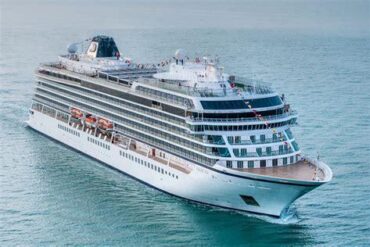
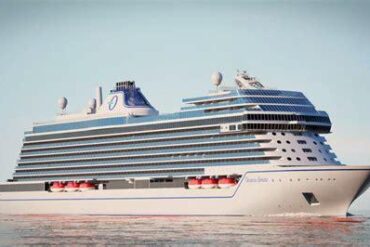
For larger vessels — such as container ships, tankers, and cruise liners — water ballast is the standard. These systems use dedicated ballast tanks equipped with pumps and valves, enabling operators to take in or discharge seawater as needed. This approach provides unmatched flexibility, as ships can quickly adapt to changing cargo loads, port requirements, and weather conditions.
However, water ballast comes with additional engineering and environmental challenges. It requires robust infrastructure: high-capacity pumps, complex piping, and automated sensors for precise control. Additionally, untreated ballast water can introduce invasive marine species when discharged into foreign ecosystems, posing significant ecological threats. As a result, international regulations such as the IMO Ballast Water Management Convention now require ships to treat ballast water using filtration, UV sterilization, or chemical disinfection before release.
How Ballast Influences Ship Design
Ballast is not merely a functional add-on — it is a core element of naval architecture. Ship designers consider ballast needs from the earliest stages of planning, as its placement, volume, and adjustability influence every aspect of a vessel’s performance. For instance:
- Draft and freeboard: Ballast determines how deeply a ship sits in the water, affecting hydrodynamic resistance and fuel efficiency.
- Trim optimization: Adjusting fore and aft ballast improves steering and speed.
- Rolling resistance: Properly distributed ballast minimizes lateral rocking in turbulent waters.
Without proper ballast management, even the most advanced vessel could become a hazard. The sinking of improperly balanced ships throughout history underscores its importance — tragedies that have shaped today’s stringent ballast practices.
Ballast in Military and Submarine Operations
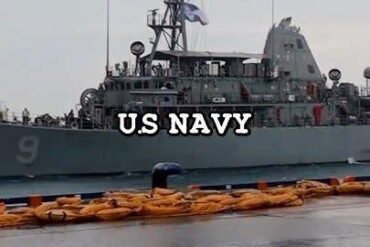
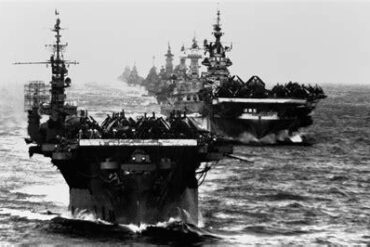
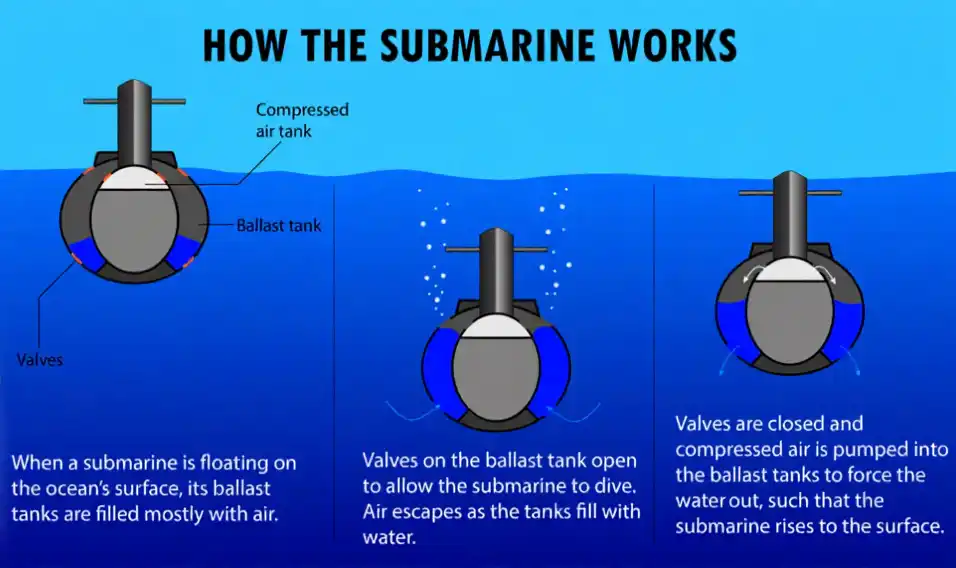
In naval operations, ballast takes on strategic importance. Warships use advanced ballast systems to adjust their profiles for stealth, speed, and stability during combat maneuvers. Submarines, in particular, rely almost entirely on their ballast tanks to submerge and resurface. These tanks are filled with water to dive and cleared with compressed air to ascend, allowing submarines to achieve neutral, positive, or negative buoyancy as needed.
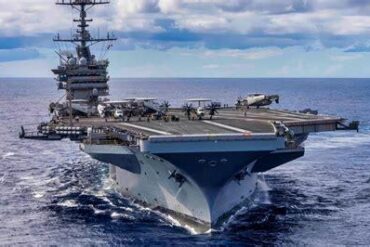
The ability to control ballast rapidly and precisely can mean the difference between survival and disaster in military contexts. Even surface combat vessels, like destroyers and aircraft carriers, use ballast adjustments to maintain flight deck stability or counterbalance damage during battle.
Environmental Concerns and Regulatory Challenges
While ballast is indispensable, it is not without consequences. Ballast water discharge is a major vector for invasive species, which can devastate local ecosystems. Notorious examples include the zebra mussel in North America’s Great Lakes and the comb jelly in the Black Sea — both introduced via ballast water from foreign ships. These invasions disrupt fisheries, damage infrastructure, and cause billions in economic losses.
To address these risks, the International Maritime Organization (IMO) enforces strict guidelines under its Ballast Water Management Convention, which came into effect in 2017. Ships must either treat ballast water using mechanical, physical, or chemical methods or exchange ballast at sea, far from coastal ecosystems. These measures significantly reduce the risk of biological contamination, though they require costly retrofitting for older vessels.
The Future of Ballast Systems
The future of ballast lies in automation, efficiency, and sustainability. Shipbuilders are incorporating advanced monitoring systems that automatically adjust ballast for optimal performance. Cutting-edge technologies, such as real-time trim optimization and AI-driven ballast management, promise to reduce fuel consumption and environmental impact simultaneously. Additionally, research into eco-friendly biocides, UV sterilization, and alternative disinfection methods continues to improve the safety of ballast water discharge.
Innovations in hull design are also reducing ballast requirements by improving inherent stability. This could minimize reliance on traditional systems, offering safer and greener solutions for global shipping.
Conclusion
Ballast is far more than dead weight — it is a vital lifeline for every vessel at sea. From ancient wooden galleons loaded with stones to the modern giants of international trade equipped with high-tech ballast tanks, this hidden but essential element ensures that ships can sail safely, efficiently, and responsibly. As global maritime operations grow in scale and complexity, ballast systems will continue evolving, balancing the demands of safety, performance, and environmental stewardship for generations to come.