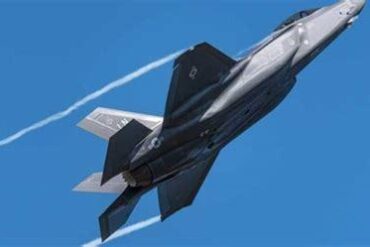
Australia’s decision to delay the purchase of an additional squadron of F-35 Lightning II fighter jets has created headlines around the world, but the reality is far more complicated than a simple cancellation. The Royal Australian Air Force (RAAF) has not abandoned the Lockheed Martin F-35A Lightning II program. Instead, Canberra has chosen to pause plans for its fourth squadron and redirect some defense spending toward other capabilities, including long-range strike weapons and upgrades for existing aircraft.
The decision reflects a broader change in Australia’s defense strategy. Rather than focusing only on increasing the number of advanced fighters, Australian planners are looking at the balance between aircraft numbers, weapons availability, electronic warfare, unmanned systems, and future-generation combat aircraft. The pause allows Australia to maintain flexibility while waiting to see how the regional security environment develops.
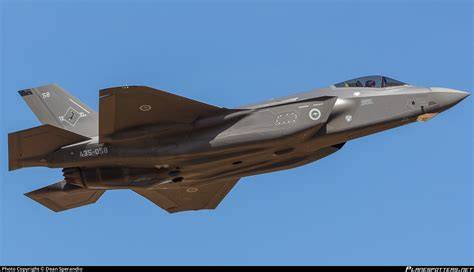
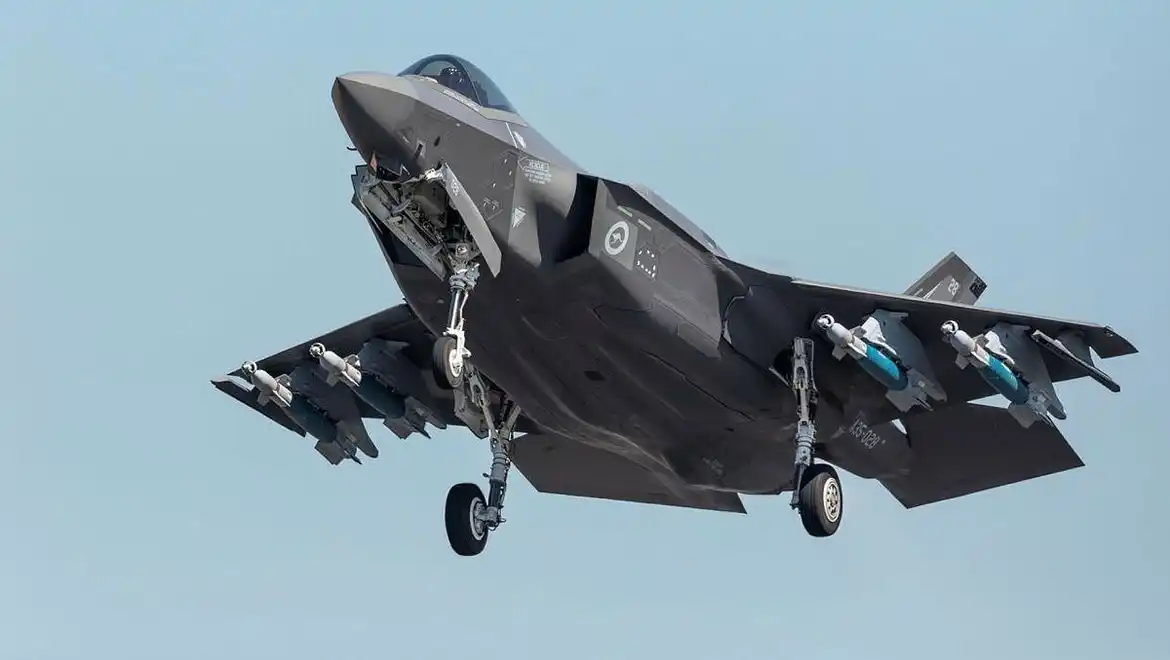
Australia currently operates one of the largest overseas fleets of the F-35 fighter jet outside the United States. The country has received all 72 aircraft from its initial commitment, making it the largest export operator of the F-35 in terms of aircraft delivered. These fighters have become the centerpiece of Australia’s combat aviation capability and have reached full operational status.
The decision to delay the remaining 28 aircraft originally planned under Australia’s program of record for 100 F-35s does not mean the aircraft failed to meet expectations. In fact, Australian officials have suggested almost the opposite: the F-35 is proving to be more capable than originally anticipated, reducing the immediate requirement for additional aircraft.
Australia Already Has a Powerful Fifth-Generation Fighter Fleet
Australia’s relationship with the F-35 program began more than two decades ago. Canberra joined the international development program in 2002 and officially committed to purchasing the aircraft in 2006. The goal was to replace the aging fleet of F/A-18A/B Classic Hornets and provide Australia with a next-generation fighter capable of operating in increasingly contested environments.
The transition took years, but the RAAF eventually built a modern fifth-generation fighter force. The final aircraft from the initial 72-jet purchase arrived in December 2024, completing one of the fastest F-35 deliveries among major international operators.
By comparison, several other partner nations began receiving their aircraft earlier but have not yet completed their original orders. Australia’s rapid acquisition process allowed it to quickly establish operational capability while many allied air forces were still expanding their fleets.
The current Australian combat aviation structure includes:
- 72 F-35A Lightning II fighter jets
- 24 F/A-18F Super Hornets
- 12 EA-18G Growler electronic warfare aircraft
- MQ-28 Ghost Bat autonomous aircraft under development
- 13 Boeing P-8A Poseidon maritime patrol aircraft, with additional aircraft planned
This combination gives Australia a highly advanced force that combines stealth fighters, electronic warfare platforms, maritime surveillance aircraft, and emerging autonomous systems.
The F-35 has also changed how Australia views combat power. Traditionally, air forces measured strength primarily by the number of fighters available. However, modern warfare increasingly depends on networks, sensors, electronic warfare, precision weapons, and the ability to survive against sophisticated air defenses.
A smaller number of highly capable aircraft can sometimes deliver more combat effectiveness than a larger fleet of older platforms.
The Super Hornet Extension Changed Australia’s Fighter Strategy
One of the biggest reasons behind Australia’s F-35 pause is the decision to extend the service life of its F/A-18F Super Hornet fighter jets.
The Super Hornets were originally purchased as an interim solution. Australia needed a capable aircraft to bridge the gap between retiring its F-111 strike aircraft, removing its Classic Hornets from service, and waiting for the delayed arrival of the F-35.
The original plan was to retire the Super Hornets around 2027. However, Australian defense officials concluded that these aircraft remain highly capable and can continue operating effectively after receiving upgrades.
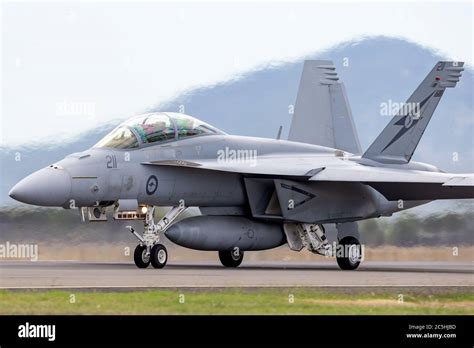
Keeping the Super Hornets operational into the 2040s provides Australia with several advantages. First, it avoids the immediate cost of purchasing another squadron of F-35s. Second, it allows Canberra to invest money into other areas that may provide greater strategic value.
These investments include:
- Long-range missiles
- Advanced weapons stockpiles
- Electronic warfare improvements
- Unmanned combat systems
- Future-generation aircraft development
The decision highlights an important reality in modern military aviation: buying aircraft is only one part of building combat power. A fighter fleet requires trained pilots, maintenance personnel, spare parts, weapons, infrastructure, and operational funding.
An air force with more fighters but insufficient weapons or limited readiness may be less effective than a smaller but better-supported force.
The F-35 Was Actually the Reason Australia Delayed More Purchases
One of the most interesting aspects of Australia’s decision is that the success of the F-35 itself contributed to the delay.
Australian Defence Industry Minister Pat Conroy explained that the Super Hornets were being retained partly because they were still performing well. However, another factor was that the F-35 Lightning II exceeded early expectations.
The F-35 is not simply a replacement for older fighters. It represents a major shift in how air combat is conducted. Its stealth design, advanced sensors, data-sharing capabilities, and electronic warfare systems allow it to detect and engage threats before traditional aircraft can even recognize the danger.
The aircraft’s strength comes from combining information rather than relying only on speed or weapons load. The F-35 can collect data from multiple sources, share information with allied forces, and operate as a central node in a larger combat network.
This capability has changed the calculation for Australia. If 72 F-35s already provide the required level of capability, immediately buying 28 more aircraft may not deliver the same strategic benefit as investing in other systems.
Australia’s EA-18G Growler fleet also plays an important role. The country is the only operator outside the United States Navy to operate dedicated Growler electronic warfare aircraft. These aircraft can disrupt enemy radar systems and communications, creating opportunities for other aircraft to operate more effectively.
Together, the F-35 and Growler combination provides Australia with a highly advanced air combat capability.
Future Aircraft Options Could Influence Australia’s Next Move
Another reason Australia is delaying the fourth F-35 squadron is that the future fighter market is changing rapidly.
If Australia had purchased the remaining aircraft immediately, it would have committed significant resources before newer platforms become available. By waiting, Canberra keeps more options open for the 2030s.
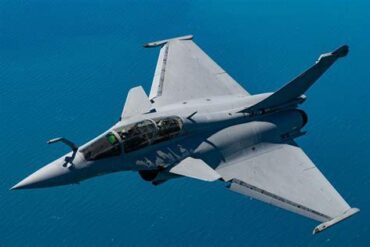
One major possibility is the Global Combat Air Programme (GCAP), also known as the Tempest program. Developed by the United Kingdom, Japan, and Italy, GCAP is intended to create a sixth-generation fighter aircraft expected to enter service around 2035.
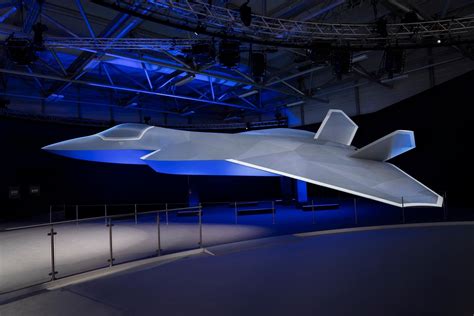
Australia has expressed interest in potentially participating in the program. The aircraft could eventually replace Australia’s Super Hornets while operating alongside its F-35 fleet.
This approach mirrors the plans of GCAP partner nations, which intend to operate sixth-generation fighters together with F-35 aircraft rather than replacing them entirely.
The United States is also developing its next-generation F-47 air superiority fighter under the Next Generation Air Dominance program. While the export future of that aircraft remains uncertain, its development adds another factor to long-term defense planning.
By delaying additional F-35 purchases, Australia avoids locking itself into one path too early.
The MQ-28 Ghost Bat and the Rise of Autonomous Combat Aircraft
Australia’s future air force will not rely only on traditional fighters. The country is also investing heavily in autonomous aircraft technology through the MQ-28 Ghost Bat program.
Developed in Australia by Boeing Australia, the Ghost Bat is designed as a loyal wingman aircraft that can operate alongside manned fighters. These unmanned systems could provide additional sensors, electronic warfare capabilities, and combat support at a lower cost than traditional fighters.
The success of programs like Ghost Bat could influence how many manned aircraft Australia requires in the future.
Instead of simply increasing fighter numbers, Australia may build a mixed force combining F-35s, autonomous aircraft, advanced missiles, and networked sensors.
This reflects a wider trend among major military powers. The future battlefield is expected to involve teams of manned and unmanned systems working together rather than traditional fighter-versus-fighter combat alone.
Australia Could Still Buy More F-35 Fighter Jets Later
Although the fourth F-35 squadron has been delayed, the possibility of Australia purchasing more aircraft remains open.
The original Australian plan called for 100 F-35As, meaning another 28 aircraft could still eventually join the RAAF. Political changes could also influence future decisions.
In 2025, Australia’s Coalition opposition indicated that it supported increasing the F-35 fleet to the full planned number. However, after losing the election, the Labor government continued with the decision to delay additional purchases.
The debate shows that there is still strong support for expanding Australia’s F-35 fleet. The disagreement is not about whether the aircraft is valuable, but about timing and priorities.
Maintaining flexibility may prove beneficial because the defense environment of the 2030s could look very different from today.
Australia’s F-35 Pause Shows a New Way of Building Air Power
Australia’s decision to delay its additional F-35 fighter jet order is not a sign of declining confidence in the Lightning II. Instead, it demonstrates a more calculated approach to military modernization.
The RAAF already possesses one of the most advanced fighter fleets in the world, with 72 operational F-35As supported by Super Hornets, Growlers, and emerging autonomous aircraft. Extending the life of existing platforms allows Australia to invest in weapons, technology, and future systems while avoiding unnecessary spending.
The F-35 remains the foundation of Australia’s air combat capability, but the country is preparing for a future where fighter numbers alone do not determine military strength.
By keeping the option open for more F-35s while exploring next-generation aircraft and autonomous technologies, Australia is attempting to create a more flexible and capable force for the decades ahead. The pause is not an ending for the F-35 program in Australia—it is a strategic delay designed to keep future choices available.