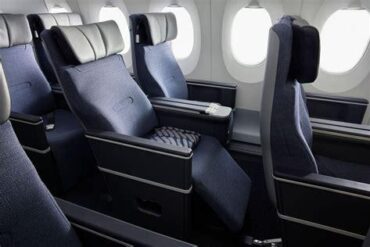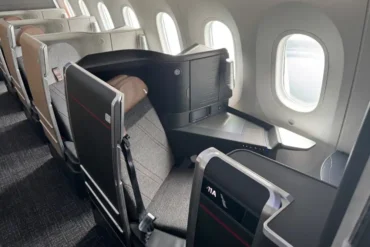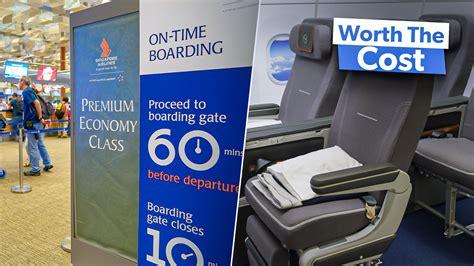
Premium economy was once marketed as a simple middle ground between cramped economy cabins and ultra-expensive business class suites. In 2026, however, the gap between the cheapest and most expensive premium economy seats has become enormous. On some airlines, passengers can secure a spacious recliner seat with generous legroom for only a modest surcharge over economy. On others, travelers are paying thousands of dollars for an experience that still lacks the defining comforts of business class.
The result is one of the most uneven travel classes in modern aviation. Two passengers flying across the Pacific in “premium economy” may receive experiences so radically different that they barely resemble the same product category. One might enjoy oversized seating and decent meals for exceptional value, while another pays nearly business-class pricing for what is essentially an upgraded economy seat with prettier tableware.
As airlines continue reshaping cabin economics, premium economy has evolved into the industry’s most profitable battleground. Demand is booming, supply remains intentionally limited, and carriers are discovering that travelers are increasingly willing to spend extra for comfort without fully committing to business class.
Yet beneath the polished marketing lies a deeper reality: premium economy in 2026 is no longer defined by consistency. It is defined by extremes.
After years of expansion, airlines now use premium economy to target entirely different customer groups. Some focus on affordability and space. Others prioritize luxury branding and premium dining. A growing number are aggressively segmenting fares, stripping benefits away from cheaper ticket categories while charging more for flexibility.
For passengers, understanding the difference between the cheapest and most expensive premium economy seats has become essential before booking long-haul flights.
Why Premium Economy Became Airlines’ Most Profitable Cabin
The airline industry’s obsession with premium economy is driven by one simple fact: passengers love extra comfort, but most cannot justify business class pricing.
That creates a highly lucrative middle ground.
Modern premium economy cabins occupy relatively little aircraft space compared to business class suites, yet airlines can charge dramatically higher fares than economy. On a square-footage basis, many carriers now report premium economy as one of their most profitable cabins.
The growth has been explosive. Fifteen years ago, premium economy remained a niche concept primarily associated with Asian and European airlines. In 2026, it has become a mainstream feature across global fleets, appearing on aircraft ranging from Boeing 787 Dreamliners to Airbus A350s and even retrofitted Boeing 777s.
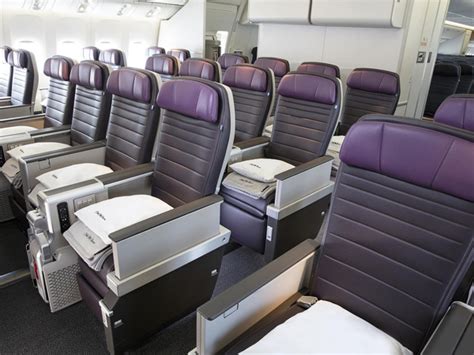
The standard formula seems simple enough: wider seats, more recline, upgraded meals, larger entertainment screens, and priority services at the airport.
But the reality varies wildly.
Some airlines treat premium economy as a genuinely elevated long-haul product. Others barely move beyond extra legroom and a nicer blanket. This inconsistency has created a pricing landscape where travelers often struggle to determine whether a premium economy fare represents exceptional value or a cleverly marketed trap.
Vietnam Airlines Quietly Offers One Of The Best Deals In Aviation
Among all major carriers in 2026, one airline has attracted unusual praise for its balance between comfort and affordability: Vietnam Airlines.
The airline earned recognition for offering one of the world’s strongest premium economy value propositions, largely because it focuses heavily on physical comfort rather than extravagant soft-product upgrades.
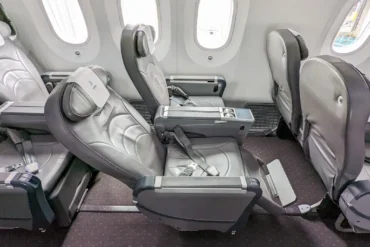
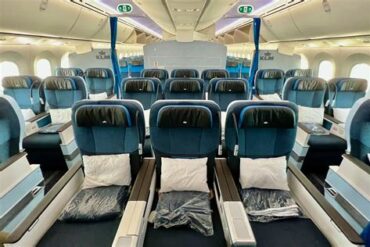
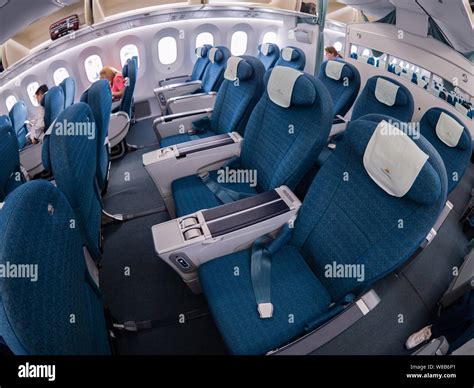
Its Boeing 787 premium economy cabin features seven-abreast seating instead of the tighter eight-seat configurations found on many competing aircraft. More importantly, the airline offers an impressive 42 inches of seat pitch — significantly above the industry average.
That extra legroom transforms the long-haul experience.
For passengers flying overnight between Asia, Europe, or Australia, those additional inches dramatically reduce fatigue, improve sleeping comfort, and make extended flights far more manageable. Unlike business class lie-flat beds, premium economy recliners still keep passengers upright for most of the journey, which means legroom becomes critically important.
What makes Vietnam Airlines particularly interesting is its refusal to oversell the experience.
The carrier does not attempt to create a pseudo-business-class environment. Meals largely mirror economy catering, and onboard service remains intentionally similar to the main cabin. Ceramic plates and elaborate multi-course dining are not the focus.
Instead, the airline prioritizes what many passengers actually value most: physical space at a reasonable price.
That straightforward approach has resonated strongly with travelers frustrated by inflated premium economy fares elsewhere in the industry.
The Biggest Problem With Expensive Premium Economy Tickets
The most controversial aspect of premium economy in 2026 is pricing.
On many routes, airlines now position premium economy fares alarmingly close to business class prices despite offering a vastly inferior experience.
This creates a growing disconnect between cost and actual comfort.
A premium economy passenger typically receives a larger recliner seat with additional pitch, upgraded meals, priority boarding, and sometimes enhanced baggage allowances. But the core limitations remain unchanged. Passengers still sit in open cabins without privacy, direct aisle access, or lie-flat beds.
Business class, by contrast, has evolved dramatically over the past decade.
Modern business cabins increasingly feature fully enclosed suites, sliding privacy doors, luxury bedding, dine-on-demand service, premium lounges, chauffeur transfers in select markets, and personalized hospitality that resembles boutique hotel service more than commercial aviation.
The physical and experiential gap between premium economy and business class remains enormous.
Yet pricing does not always reflect that reality.
On high-demand routes between North America, Europe, and Asia, premium economy fares can sometimes approach 70% or even 80% of discounted business class tickets. That pricing structure has triggered criticism from frequent travelers who argue that premium economy increasingly delivers diminishing returns.
Still, airlines continue raising prices because demand remains exceptionally strong.
Many travelers who once booked economy are now willing to pay extra for comfort, especially on flights exceeding ten hours. At the same time, corporations attempting to reduce travel expenses often authorize premium economy while restricting business class bookings.
The result is a cabin caught in a strange economic sweet spot: expensive enough to generate massive profits, but still cheaper than true premium travel.
Why Emirates Premium Economy Commands Sky-High Prices
No airline better illustrates premium economy’s luxury transformation than Emirates.
The Dubai-based giant entered the premium economy market relatively late, but it immediately positioned the product as an upscale experience aligned with its premium global brand.
Its premium economy fares are routinely among the most expensive in the industry.
On certain long-haul routes, roundtrip tickets can easily climb into four-figure territory, especially during peak travel periods. Yet the seats themselves are not radically different from competing airlines.
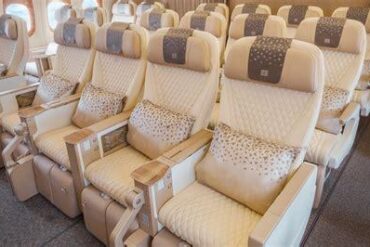
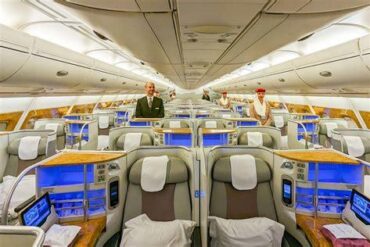
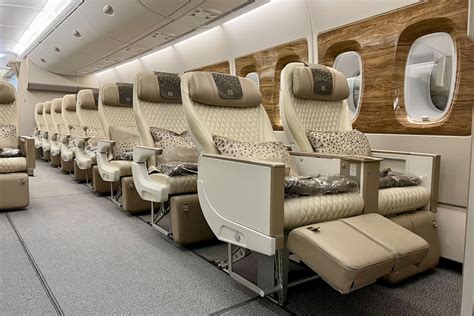
The airline uses the popular Recaro PL3520 seat platform, configured with 40 inches of pitch and wide cream-colored leather seats accented with woodgrain finishes. While visually elegant, the hard product itself remains fundamentally similar to what passengers encounter on many rival carriers.
The real difference lies in presentation.
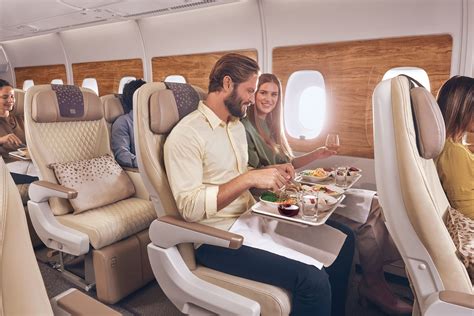
Emirates has invested heavily in transforming premium economy into a luxury-adjacent experience. Meals are served on china tableware with linen tablecloths. Regional menus rotate regularly. Select wines often overlap with offerings found in business class cabins. Cabin crews deliver service with the polish and theatrical presentation for which Emirates is globally known.
Even the cabin aesthetics matter.
The airline’s Airbus A380 premium economy sections feature warm lighting, refined textures, and visually premium finishes that create a noticeably upscale atmosphere compared to traditional economy cabins.
Passengers are not simply paying for extra legroom. They are paying for brand identity, prestige, and the emotional appeal of flying Emirates.
That strategy works because premium travel has become increasingly psychological. Travelers often associate luxury airlines with status, comfort, and reliability even when the physical product differences remain relatively modest.
Low-Cost Airlines Are Disrupting Premium Economy Value
Ironically, some of the best premium economy experiences in 2026 are emerging from airlines traditionally associated with budget travel.
Carriers like Norse Atlantic Airways and Air Premia are aggressively targeting travelers who want comfort without luxury pricing.
These airlines understand something legacy carriers sometimes overlook: many passengers care more about space than branding.
As a result, their premium cabins often feature extraordinary legroom figures exceeding 42 inches — outperforming several full-service competitors charging significantly higher fares.
That additional space becomes especially important on ultra-long-haul flights where physical fatigue dominates the passenger experience. While premium dining and polished service certainly matter, nothing changes long-haul comfort more dramatically than room to stretch.
Budget-focused premium cabins also simplify the experience.
Passengers generally receive larger recliner seats, complimentary meals, increased baggage allowances, and priority services without the elaborate luxury theatrics associated with flagship carriers. The cabins feel practical rather than aspirational.
This stripped-back philosophy appeals strongly to younger travelers and leisure passengers who prioritize measurable comfort over luxury branding.
For many consumers, spending thousands extra purely for upgraded catering or premium wine no longer feels rational in an era of rising travel costs.
The Seat Gap Is Surprisingly Smaller Than The Price Gap
One of the most revealing realities of premium economy is that seat differences between airlines are often relatively small.
Most long-haul premium economy seats today feature:
- Seat pitch between 38 and 42 inches
- Wider armrests
- Larger entertainment screens
- Enhanced recline
- Footrests or leg rests
- Dedicated cabin sections
The actual physical differences between many airlines amount to only a few inches of pitch, slightly different cushioning, or varying cabin layouts.
Yet ticket prices can differ by thousands of dollars.
This disparity reveals that modern airline pricing increasingly depends less on the seat itself and more on branding, network strength, route demand, and cabin scarcity.
Airlines intentionally limit premium economy inventory because scarcity boosts pricing power. Many aircraft contain only 20 to 30 premium economy seats, ensuring demand frequently exceeds supply.
Travelers therefore encounter a market where emotional perception heavily influences purchasing decisions.
A passenger choosing Emirates may pay substantially more not because the seat is dramatically superior, but because the airline successfully sells the feeling of premium travel.
Fare Segmentation Is Making Premium Economy More Complicated
Another major shift in 2026 is the rise of segmented premium economy fares.
For years, premium cabins traditionally included flexible booking conditions, generous baggage allowances, and complimentary seat selection. That simplicity is disappearing.
United Airlines and Delta Air Lines are now applying economy-style fare segmentation to premium cabins, introducing multiple pricing tiers with varying restrictions.
Passengers booking lower-tier premium economy fares may now face:
- Non-refundable tickets
- Limited baggage allowances
- Paid seat assignments
- No upgrade eligibility
- Reduced mileage earning
- Restricted itinerary changes
This strategy allows airlines to advertise lower entry prices while quietly charging extra for benefits once considered standard.
For consumers, premium economy is becoming increasingly difficult to evaluate at face value.
Two passengers sitting side by side may have paid dramatically different fares while receiving entirely different booking conditions and flexibility. The cabin itself may look identical, but the underlying ticket value can vary enormously.
That trend mirrors broader airline industry economics, where carriers aggressively unbundle services to maximize revenue from each passenger.
The Future Of Premium Economy Will Become Even More Polarized
Premium economy in 2026 no longer represents a single universal product. It has fractured into multiple philosophies competing for different types of travelers.
Some airlines prioritize affordability and spacious seating. Others chase luxury positioning and premium branding. Several are experimenting with ultra-segmented pricing structures designed to maximize profitability.
This fragmentation is unlikely to slow down.
As airlines continue refining revenue strategies, premium economy will probably become even more polarized. The cheapest products may increasingly resemble enhanced economy seating, while the most expensive options drift closer toward business-class aesthetics without fully delivering business-class comfort.
For travelers, the key difference will not simply be price.
It will be understanding exactly what that price actually buys.
A carefully chosen lower-cost premium economy ticket can sometimes deliver nearly identical physical comfort to a far more expensive competitor. Meanwhile, high-end premium economy products often justify their pricing through atmosphere, catering, exclusivity, and branding rather than transformative seating improvements.
That tension defines the premium economy market in 2026.
The cabin was originally created as a compromise between economy and business class. Instead, it has evolved into aviation’s most fascinating gray zone — where luxury, marketing, comfort, and profitability collide at 35,000 feet.