Titanium is often hailed as a miracle metal — light, strong, and corrosion-resistant. It’s the stuff of aerospace dreams and even consumer electronics, like Apple’s iPhones. In the world of marine engineering, especially submarine design, it promises theoretical superiority: deeper dives, better stealth, and unmatched durability. Yet, for all its advantages, the U.S. Navy has steadfastly refused to adopt titanium for submarine hull construction. Instead, it remains committed to specialized steel alloys. This decision isn’t a failure of vision, but a calculated response to cost, logistics, and military strategy.
The Promise of Titanium: Strength Without Weight
Titanium’s allure lies in its remarkable strength-to-weight ratio, which surpasses that of steel. Its corrosion resistance, especially in saltwater environments, makes it nearly impervious to the ravages of the ocean. Unlike steel, titanium is non-magnetic, offering enhanced stealth against magnetic anomaly detection — a key method of submarine tracking. On paper, it could allow submarines to dive deeper, stay underwater longer, and remain undetectable.
Yet, building something as massive and complex as a nuclear submarine isn’t as simple as picking the strongest material. The deeper reality lies in the cost and complexity of working with titanium.
Manufacturing Hurdles: The Harsh Truth About Welding Titanium
Titanium is not just expensive — it’s extraordinarily difficult to manipulate at the scale required for a full submarine hull. Welding titanium demands an argon-rich, oxygen-free environment, because exposure to air during welding contaminates the material, resulting in embrittlement and potential catastrophic failure at depth. Every seam on a titanium hull must be flawlessly executed by highly skilled welders, using specialized, sealed welding chambers. These are not minor inconveniences; they are deal-breakers in a production environment.
By contrast, the U.S. Navy’s chosen steel alloy — HY-80 (and later, HY-100 and HY-130) — is far more forgiving. It can be welded in standard shipyard environments, using mature techniques honed over decades of production. The industrial infrastructure for steel submarines already exists and operates at scale. Switching to titanium would require a complete overhaul of American shipbuilding facilities, not to mention an army of specialized laborers and engineers.
Cost Prohibitions: When Titanium Breaks the Budget
Titanium isn’t just a fabrication nightmare — it’s also extremely costly. From raw material prices to processing expenses, every stage is more expensive than steel. At a time when the U.S. Navy must balance budgets across aircraft carriers, nuclear weapons platforms, and global maintenance, spending potentially billions more per sub is an unacceptable trade-off.
When the Soviets experimented with titanium, they found this out the hard way.
Cold War Experimentation: The Soviet Alfa-Class Gamble
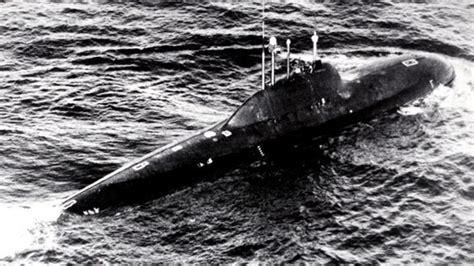
During the Cold War, the Soviet Union built the Project 705 Lyra, known by NATO as the Alfa-class submarine. These boats were futuristic: featuring a titanium hull and a liquid metal-cooled reactor, they could dive to nearly 4,000 feet and were some of the fastest underwater vessels ever built.
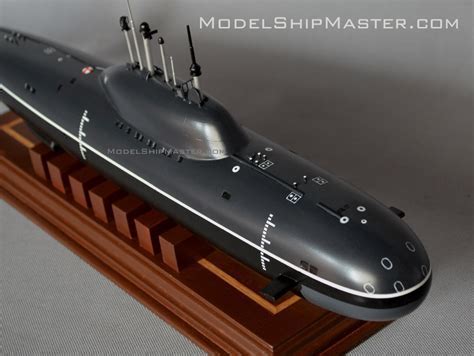
However, the Soviet titanium dream quickly became a budgetary and logistical nightmare. Titanium construction required custom-built shipyards, welding in sealed argon chambers, and intensive quality control. Even routine maintenance became difficult and dangerously expensive. One Alfa-class prototype alone reportedly consumed 1% of the USSR’s GDP at the time — a staggering amount.
While these submarines delivered some extraordinary performance, they also suffered from operational shortcomings. The titanium hulls, while strong, were often noisier than expected, undermining their stealth advantage. The Soviets retired the class relatively quickly. To this day, Russia has not returned to building full titanium-hulled subs — a telling concession.
A Rare Exception: Russia’s Deep-Diving Losharik
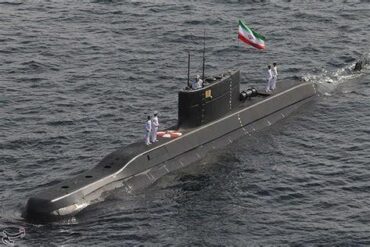
One notable outlier remains: the AS-31 Losharik, a Russian deep-diving research submarine, constructed with seven spherical titanium compartments. Losharik is designed for ultra-deep missions, reportedly capable of diving to 19,700 feet. It plays a niche role in special operations and undersea espionage, not general naval warfare.
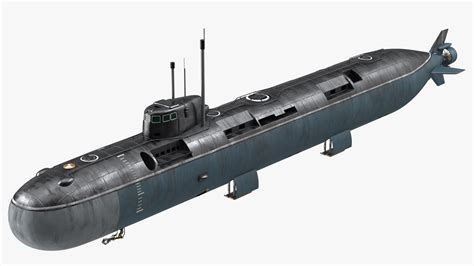
But even this titanium marvel has struggled. In 2019, Losharik suffered a devastating onboard fire, killing 14 sailors. The incident grounded the sub for nearly five years, exposing how repairs and operations remain punishingly complex for titanium-based platforms. It serves as a powerful reminder that while titanium offers extreme depth potential, it brings massive operational baggage.
The U.S. Strategy: Smarter Countermeasures, Not Exotic Materials
Rather than trying to out-titanium the Soviets during the Cold War, the U.S. Navy opted for innovation elsewhere. Instead of building faster, deeper-diving submarines, it developed the Mark 48 heavyweight torpedo — a powerful weapon capable of tracking and destroying enemy subs, regardless of how deep or fast they were.
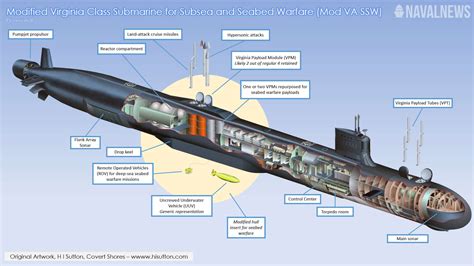
This move reflected a strategic shift: invest not in expensive exotic hulls, but in smart countermeasures, advanced sonar, and silent propulsion systems. U.S. submarines like the Seawolf and Virginia classes feature advanced steel alloys, optimized hull shapes, and highly classified acoustic suppression technologies. These subs don’t need to out-dive opponents — they avoid detection altogether.
Selective Titanium Use: Where It Makes Sense
Despite not being used for entire hulls, titanium hasn’t been completely sidelined. The U.S. Navy still leverages it in critical, smaller components:
- Exhaust ducts where heat and corrosion are severe.
- Seawater piping systems, where internal rust could lead to catastrophic failure.
- Pressure-resistant valves and housings, where longevity trumps cost.
In these applications, titanium shines without the overwhelming overhead associated with large-scale construction. This targeted usage gives the Navy some benefits of titanium without committing to its downsides.
The Future of Titanium: A Distant Possibility
Emerging technologies like additive manufacturing (3D printing) and advanced friction stir welding could one day make titanium hulls more feasible. These methods promise tighter tolerances, reduced waste, and possibly even automated welding in inert environments. If these technologies mature, the equation may shift.
However, even if fabrication becomes easier, the Navy will still ask: Is it worth the money? Modern steel submarines already operate effectively at depth, with noise suppression, endurance, and combat capability all meeting mission requirements. Switching to titanium would still require rebuilding shipyards, retraining the workforce, and requalifying every part — a monumental cost for a marginal gain.
Conclusion: Steel Wins the Strategic War
Titanium is a marvel of metallurgy, but when viewed through the hard lens of military logistics, cost, and strategy, it falters. Its strength, corrosion resistance, and stealth-enhancing properties are not enough to outweigh the staggering complexity of production, the sheer cost, and the existence of smarter alternatives.
The U.S. Navy doesn’t need titanium hulls to dominate underwater warfare. Instead, it relies on stealth, sensors, and firepower — all supported by an industrial base that knows steel inside and out. As long as that formula works, titanium will remain a material of potential, not practicality.