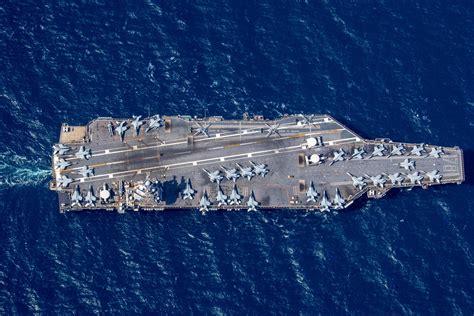
American aircraft carriers, the leviathans of the modern naval battlefield, are not merely symbols of global dominance—they are the sharp edge of U.S. force projection. These 100,000-ton floating fortresses like the USS Gerald R. Ford (CVN-78) serve as command centers, airbases, and logistic hubs, operating at the heart of Carrier Strike Groups that shield them with destroyers, cruisers, and submarines. However, the belief that they are invincible is a dangerous myth. If a determined adversary overcame the carrier’s layered defenses, five particular weapon systems could realistically pose a catastrophic threat.
Nuclear Weapons: The Ultimate Carrier Killers
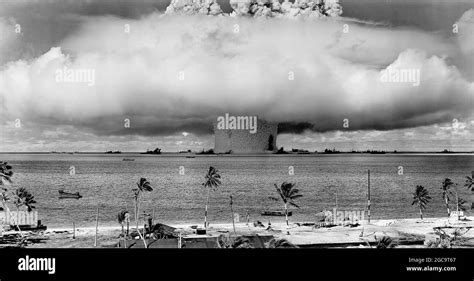
Nuclear weapons remain the most absolute threat to any surface vessel, including even the most advanced U.S. aircraft carriers. The lessons of Operation Crossroads in 1946 at Bikini Atoll remain as chilling today as they were then. When the USS Saratoga, an early Lexington-class carrier, was subjected to the underwater nuclear test “Baker,” the results were unequivocal: total annihilation. The 21-kiloton yield bomb devastated the fleet of 95 target ships, offering a grim demonstration of what happens when raw nuclear energy collides with steel hulls.
Modern nuclear warheads, particularly those possessed by nations like China or Russia, dwarf the destructive force of those early devices. With yields that range into the hundreds of kilotons—or even megatons—today’s nuclear-tipped missiles could obliterate an entire Carrier Strike Group, not just its centerpiece. Regardless of the Ford-class’s advanced survivability features, no engineering marvel can contend with the sheer magnitude of a nuclear detonation within lethal proximity.
Advanced Torpedoes: The Silent Threat Beneath
Beneath the waves lurks another existential danger: the heavy torpedo. While not every torpedo is capable of sinking a behemoth like the USS Ford, specific high-yield, supercavitating, or wake-homing variants are engineered precisely for this task. The Russian Type 65, with its massive 650mm diameter and high payload, was developed during the Cold War to break the backbone of American naval power by targeting carriers directly.
The Chinese Yu-6 represents another potent threat. Modeled heavily on the American Mk. 48 ADCAP, this heavyweight torpedo carries a powerful warhead designed to detonate beneath a ship’s keel—an area no armor can adequately defend. Upon detonation, the explosion creates an air void under the vessel, causing the keel to collapse under the carrier’s own weight, potentially splitting it in half. While rare and technically demanding to execute, such a hit would be catastrophic.
Hypersonic Missiles: Speed Meets Destruction
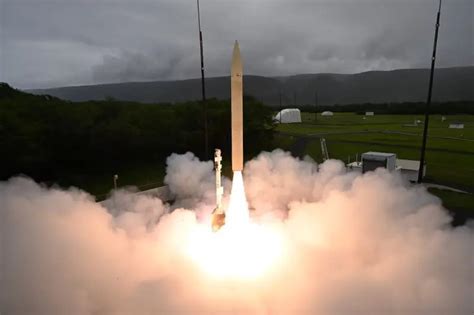
In the modern arms race, hypersonic technology has emerged as a terrifying frontier. These weapons travel at speeds exceeding Mach 5, making them virtually immune to interception under current defense paradigms. The Russian 3M22 Zircon and Chinese DF-ZF hypersonic glide vehicle are built not only for speed but also for lethal precision and kinetic devastation.
At speeds approaching or surpassing Mach 9, these missiles strike with an energy yield comparable to a meteor impact. Even without a warhead, a direct hit on an aircraft carrier by a DF-ZF could cripple or sink it outright. When combined with an explosive payload, the result is near-total devastation. Their maneuverability and low radar signature make these weapons especially hard to track, let alone intercept, meaning a well-placed launch from hundreds of miles away could spell disaster before a carrier group even has time to react.
Kamikaze Drone Swarms: The Asymmetric Equalizer
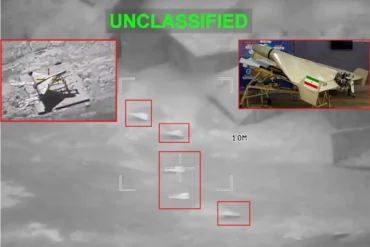
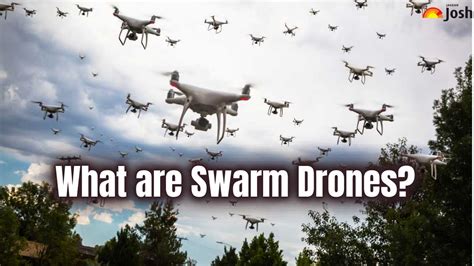
The democratization of warfare via drone technology has revealed one of the most unpredictable modern threats: kamikaze drone swarms. As seen in the Russo-Ukrainian War, even small, low-tech drones have managed to bypass traditional defenses and wreak havoc on larger naval assets. This concept, applied en masse to a U.S. carrier, could be devastating.
Unlike conventional cruise missiles or torpedoes, drone swarms present an asymmetric nightmare. Dozens or even hundreds of uncrewed surface vessels (USVs), each carrying explosives, could simultaneously rush a carrier’s hull. With sensors overwhelmed and defenses saturated, many would be neutralized—but it only takes one or two breaching the defensive perimeter to detonate near the waterline and compromise critical systems. The damage, accumulated over time or inflicted in rapid succession, could push a carrier past the point of no return.
Explosive-Laden Ship Ramming: The Brutal Simplicity of Shock
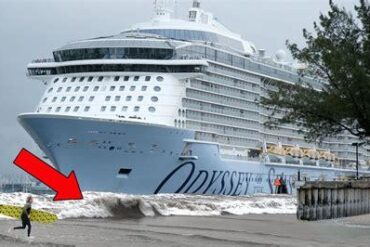
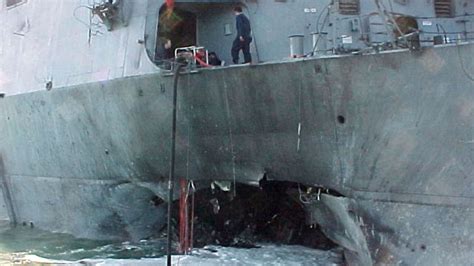
Sometimes, the oldest tactics remain among the deadliest. A modern adaptation of naval ramming could involve a large vessel—like an oil tanker or freighter—packed with explosives, deliberately crashing into an aircraft carrier. The terrifying precedent was set in 2000 with the bombing of the USS Cole, where a mere inflatable speedboat packed with explosives carved a 40-foot hole into the hull of a 9,700-ton destroyer, killing 17 sailors.
Scale that scenario to a much larger vessel, such as a civilian supertanker weighing tens of thousands of tons, and the threat to a Ford-class carrier becomes sobering. The explosive force, combined with the sheer kinetic energy of a ship displacing upwards of 50,000 tons ramming at full speed, could produce a blast rivaling that of a small tactical nuke. It would not only tear through bulkheads and decks but also trigger secondary explosions within the carrier, endangering its reactors, munitions storage, and aircraft fuel lines.
Conclusion: Technically Feasible, Strategically Catastrophic
While the sinking of a U.S. aircraft carrier remains a rare and extreme event, it is not outside the realm of possibility. From cutting-edge hypersonic missiles to swarming kamikaze drones, from torpedo strikes beneath the keel to the brute force of nuclear weapons and explosive-laden ships, multiple technologies offer theoretical pathways to accomplish this military feat. Each scenario assumes a breakdown in the formidable defensive layers that surround a carrier, but if that occurs, the consequences could be devastating not only to the ship itself but also to global stability.
The possibility remains remote, but it is real—and in the ever-evolving landscape of warfare, even giants must guard against the smallest threats.