The legacy of jet aircraft is more than just a tale of engineering feats and airspeed records; it’s a story of machines that captured the imagination of millions and made history in the skies. While some have been retired to history books and museums, their impact continues to reverberate through aviation. This article delves into seven iconic jet aircraft that once graced the skies but now stand as silent monuments to a bygone era of aviation brilliance.
Lockheed SR-71 Blackbird: The Ultimate Spyplane
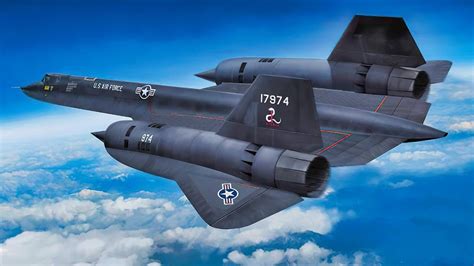
When the SR-71 Blackbird first took flight in 1964, it was unlike anything the world had ever seen. As a reconnaissance plane, it was designed to outrun threats rather than confront them, setting world records for speed and altitude that still stand today. This jet could cruise at over 2,190 mph at altitudes exceeding 85,000 feet, making it nearly impossible for enemy missiles to catch.
Despite its groundbreaking capabilities, the SR-71’s operational life ended in 1999. The United States Air Force retired its fleet in 1990, but NASA continued to operate the last remaining aircraft until 1999. During its career, the SR-71 flew countless missions, gathering intelligence from all corners of the globe. On its final retirement flight, an SR-71 flew from Los Angeles to Washington, D.C., in just 64 minutes and 20 seconds—a record that remains unbroken. Its legacy as the fastest and highest-flying aircraft ever built is unmatched.
Aerospatiale/BAC Concorde: Supersonic Elegance
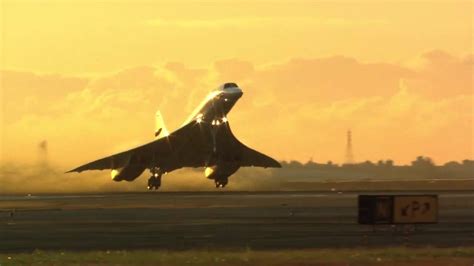
The Concorde was not just an aircraft; it was a symbol of speed, luxury, and the possibility of breaking barriers. First flown in 1969, this supersonic passenger jet was capable of cruising at over twice the speed of sound, cutting transatlantic flight times in half. The Concorde’s ability to soar at 60,000 feet above the Earth allowed passengers to view the curvature of the Earth during their journey.
Though its sleek design and powerful engines made the Concorde one of the most famous aircraft in the world, it never became the commercial success many had hoped for. After the tragic crash of Air France Flight 4590 in 2000, the Concorde’s future became uncertain. It was officially retired in 2003, leaving behind a legacy as the fastest commercial airliner ever to fly. Today, Concordes can be found in museums worldwide, forever encapsulating the thrill of supersonic flight.
Boeing 737-100: The Pioneer of Modern Airliners
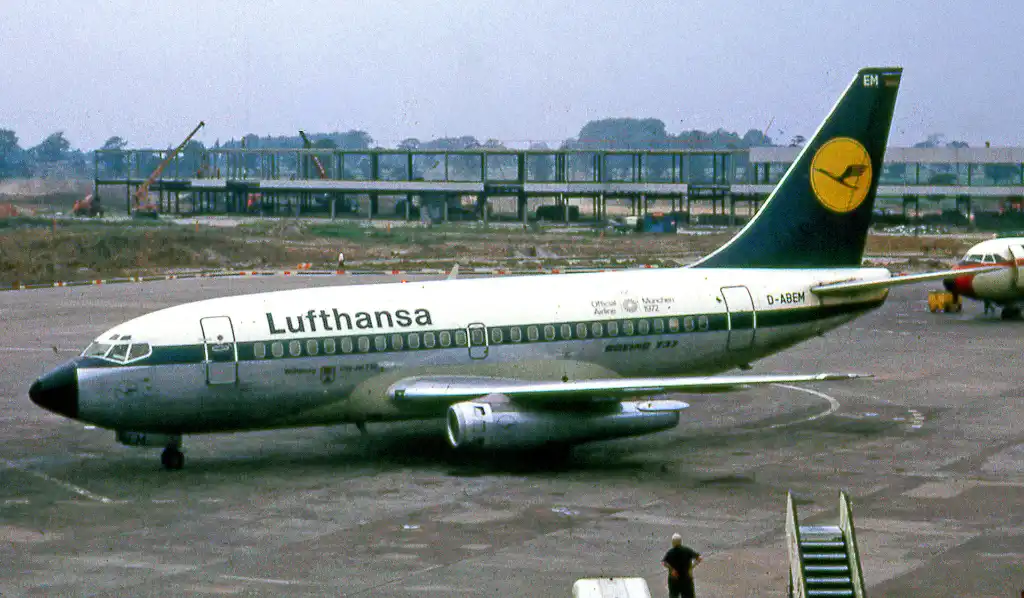
When the Boeing 737-100 first entered service in 1968, it marked the beginning of an era of short-haul flight efficiency. The 737-100, the first version of what would become the most popular jet airliner family in history, was a game-changer. With only 30 units produced, this early model was not as widely adopted as its successors, but it paved the way for the massive success of the 737 series.
Used initially by Lufthansa and later by NASA, the 737-100 was the testbed for various cutting-edge aviation technologies. These included innovations such as glass cockpits and advanced flight displays. The last commercial 737-100 was retired in 2003, but its legacy continues through the global dominance of its later iterations, which still serve airlines around the world.
English Electric Lightning: Britain’s Mach 2 Interceptor
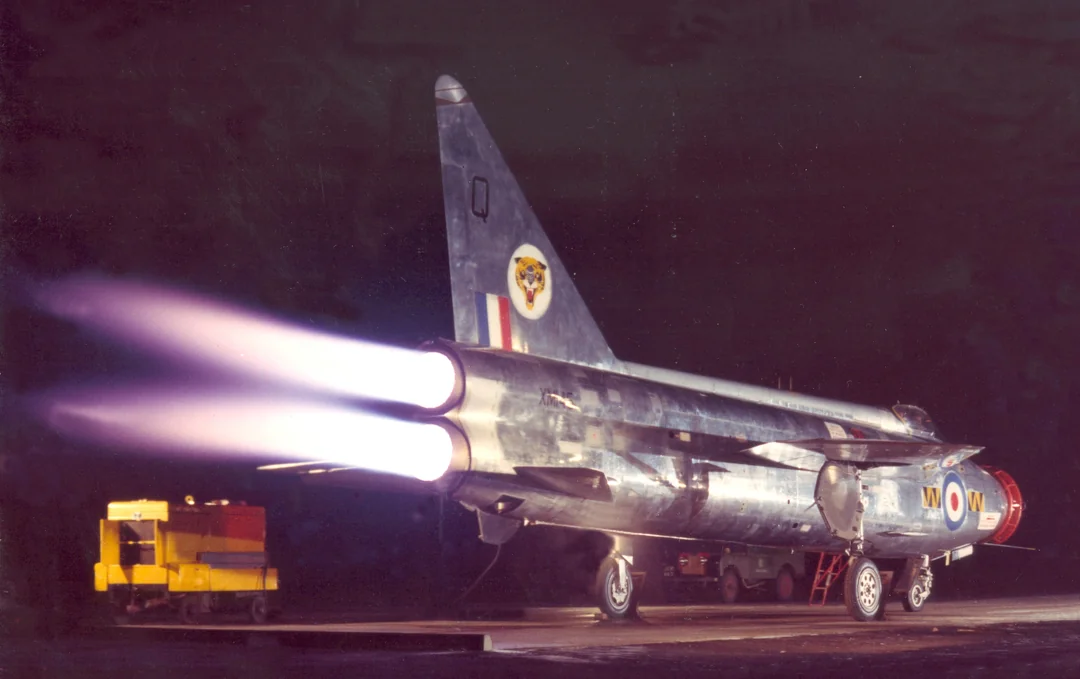
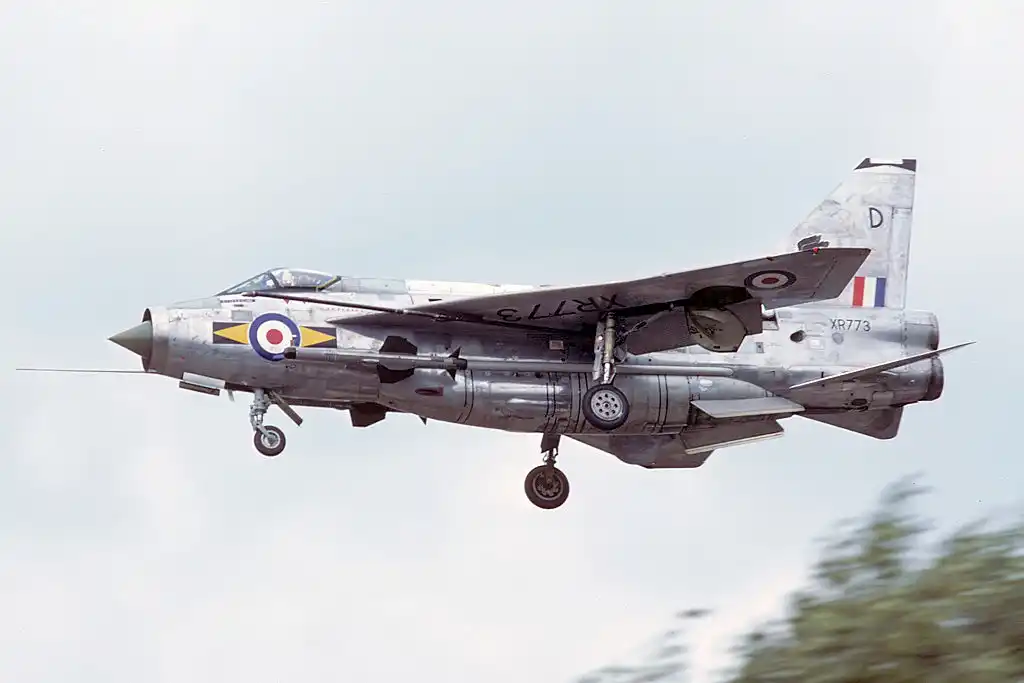
The English Electric Lightning was Britain’s answer to the Cold War threat. This supersonic interceptor jet, which entered service in 1959, was designed to defend the UK from Soviet bombers by reaching Mach 2 speeds. With its unique design featuring two vertically stacked engines, the Lightning was a stunning technological marvel, delivering exceptional performance and agility.
The Lightning served with the Royal Air Force until 1988, and although it was retired from military service, it lived on in civilian operations for a time. The last remaining Lightning, based in South Africa, flew for tourist flights until a tragic crash in 2009 grounded the fleet for good. Despite its end, the Lightning’s astonishing thrust-to-weight ratio and impressive climb rate left an indelible mark on aviation history.
de Havilland Comet: The World’s First Commercial Jetliner
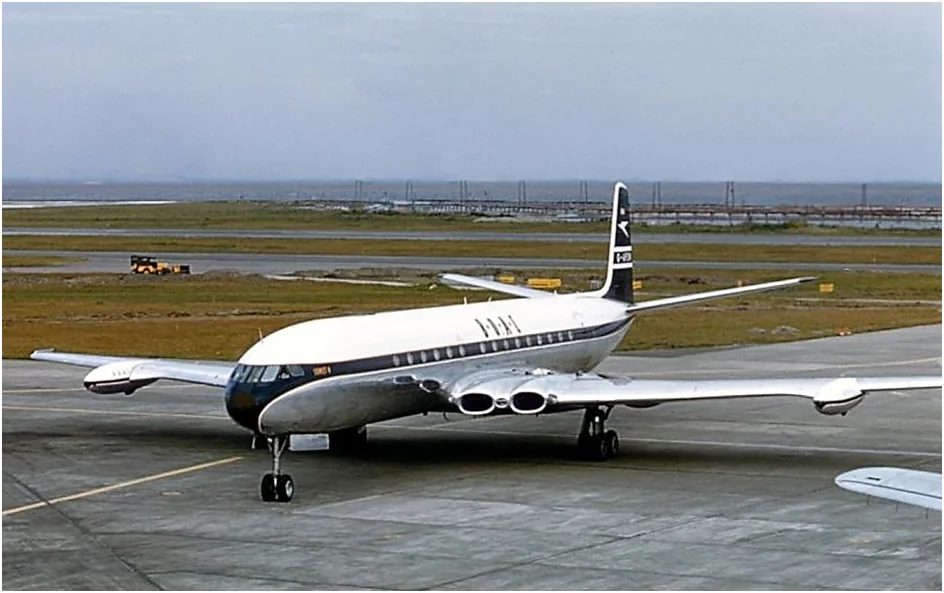
The de Havilland Comet was the world’s first commercial jet airliner, making its debut flight in 1949. It was a revolutionary aircraft that put Britain at the forefront of aviation technology, surpassing all propeller-driven aircraft at the time. Unfortunately, a series of catastrophic crashes due to structural weaknesses grounded the Comet in the early 1950s.
After extensive redesigns, the Comet returned to the skies in 1958, and its Comet 4 model became the first jet to cross the Atlantic with paying passengers. The Comet’s legacy includes its military adaptation, the Hawker Siddeley Nimrod, which served in the Cold War. The Nimrod continued to operate until its final retirement in 2011, marking the end of the Comet family’s reign in aviation.
Avro Vulcan: The V-Bomber with a Delta Wing
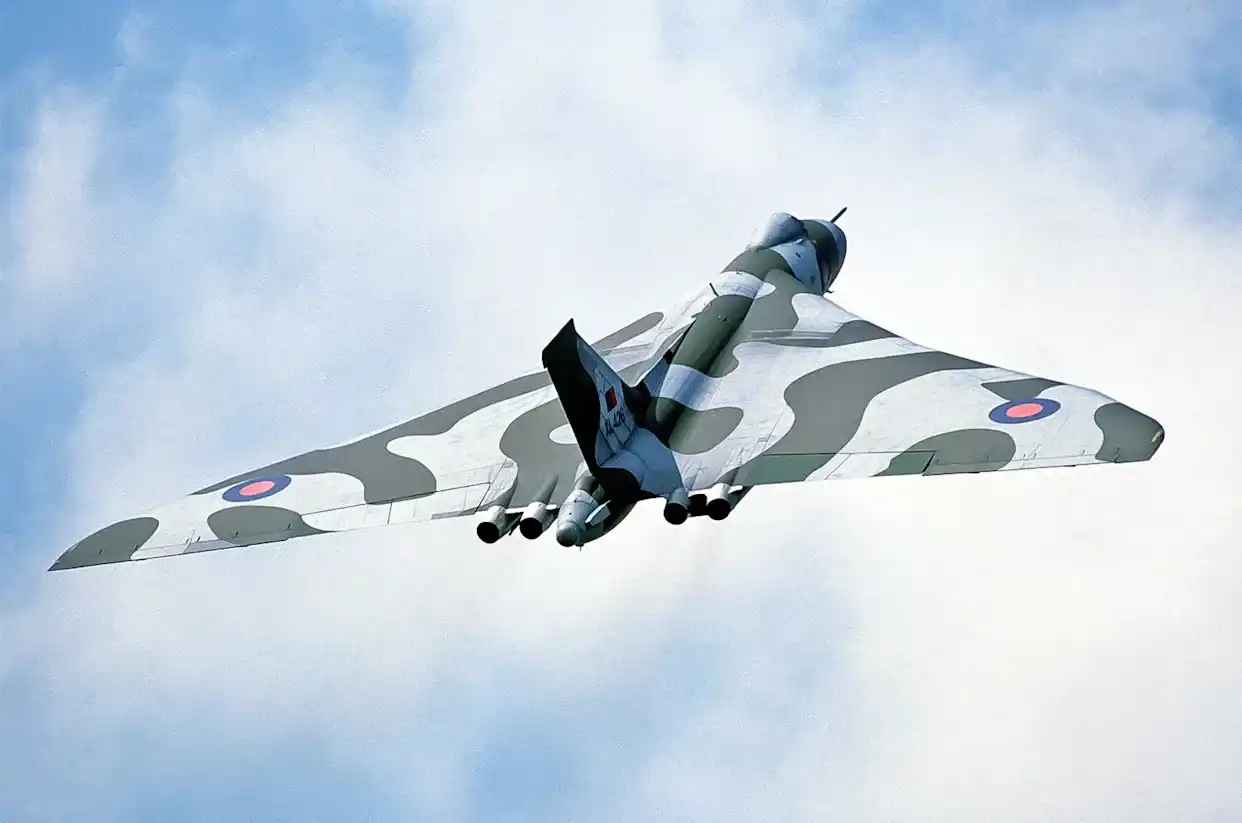
The Avro Vulcan was an iconic piece of British engineering. As part of the UK’s V-Bomber fleet, its primary mission was to deliver nuclear payloads during the height of the Cold War. With its massive delta wing design, the Vulcan was capable of flying at high altitudes while maintaining impressive maneuverability. Despite its size, the aircraft had a radar profile comparable to much smaller planes, making it one of the early pioneers of stealth technology.
The Vulcan served with the Royal Air Force from 1956 until 1984. Though it was retired as a strategic bomber, a few Vulcans remained in service as tankers until the mid-1980s. The final operational Vulcan, XH558, ceased flying in 2015 after decades of dedicated service. Its retirement due to escalating maintenance costs left a void in the hearts of aviation enthusiasts. Today, XH558 is preserved in the UK, a testament to British Cold War power.
Antonov An-225 Mriya: The World’s Heavyweight Champion
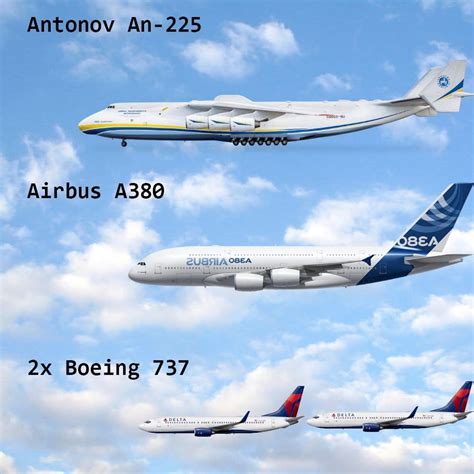
The Antonov An-225 Mriya was an extraordinary aircraft, holding the title of the largest and heaviest plane ever built. Originally designed to transport the Soviet Buran space shuttle, the An-225 was a beast of aviation, capable of lifting colossal payloads that no other plane could manage. In its prime, the Mriya was a symbol of Soviet engineering might.
Tragically, the An-225’s journey came to an end in 2022 when it was destroyed during the Russian invasion of Ukraine. The only completed An-225 was stationed at Hostomel Airport when it was caught in the crossfire, resulting in irreparable damage. Antonov plans to rebuild the aircraft, but this ambitious project will have to wait until after the ongoing conflict has subsided. The Mriya’s destruction marked a heartbreaking loss for aviation, but its legacy as a record-breaking behemoth will live on in history.
Conclusion: An Era of Jet Aircraft Fades into History
The aircraft mentioned in this article represent the zenith of jet technology in their respective eras. Whether they were designed for military dominance, commercial supremacy, or breaking the boundaries of aviation itself, these jets captured the imaginations of millions. While they no longer soar through the skies, their legacy continues to shape the world of aviation, inspiring the next generation of aircraft designers and engineers. The icons of yesterday remain etched in history, and their stories will be told for generations to come.