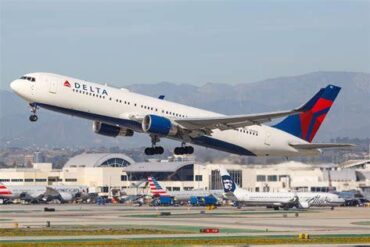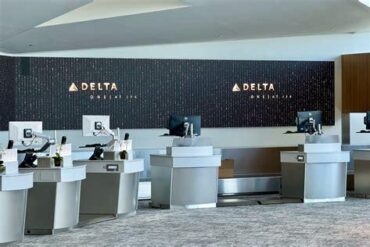
Endeavor Air stands today as a crucial regional subsidiary of Delta Air Lines, seamlessly operating under the Delta Connection brand. With its headquarters based at Minneapolis–Saint Paul International Airport, Endeavor embodies the enduring evolution of regional air service in the United States. Formerly known as Express Airlines I and Pinnacle Airlines, the carrier has demonstrated remarkable adaptability, transitioning through multiple industry phases to become a wholly owned and strategically aligned asset within Delta’s portfolio.
Founded in 1985, Endeavor Air’s journey reflects both the volatility and resilience of the regional airline market. Its operational excellence is exemplified by a fleet of 134 Bombardier CRJ aircraft, providing critical connectivity across 145 destinations throughout North America. Its role extends beyond basic transportation—Endeavor is an essential logistical and operational arm for Delta, ensuring high-frequency service on lower-density routes while maintaining strict brand and service consistency.
The Formative Years: From Express Airlines I to Pinnacle Airlines
Founded in February 1985 by aviation entrepreneur Michael J. Brady under the name Express Airlines I, the company launched operations just a few months later on June 1, 1985. It began as a Republic Express carrier, entering the market with BAe Jetstream 31 and Saab 340 turboprop aircraft. Within its first year, the airline expanded to 32 markets, highlighting its rapid integration into regional networks.
The momentum attracted the attention of major carriers, and in October 1986, Northwest Airlines acquired Express Airlines I, embedding it into the Northwest Airlink brand. By April 1997, it became a full subsidiary, further strengthening the strategic alignment. The launch of Bombardier CRJ operations in May 2000 marked a pivotal transition to jet-powered regional service, enhancing both efficiency and passenger experience.
Pinnacle Airlines Era: Expansion, Acquisition, and Turbulence
The rebranding to Pinnacle Airlines in May 2002 under a new holding company marked an era of aggressive expansion. Pinnacle acquired Colgan Air and Mesaba Airlines, significantly extending its operational reach. A 2006 capacity purchase agreement (CPA) with Northwest ensured steady growth, allowing the airline to operate 124 CRJ aircraft until 2017.
However, expansion was accompanied by operational stress and regulatory scrutiny. Between 2009 and 2010, the airline was fined over $1 million by the FAA for maintenance irregularities, a blemish that signaled deeper organizational challenges. By 2012, the carrier filed for Chapter 11 bankruptcy protection, initiating a necessary restructuring.
Rise of Endeavor Air: Strategic Consolidation Under Delta
On August 1, 2013, following the bankruptcy emergence and operational cleanup, the airline rebranded as Endeavor Air, signaling a new chapter under the full ownership of Delta Air Lines. The rebranding was more than cosmetic—it denoted a strategic shift. The airline moved its headquarters from Memphis to Minneapolis, centralizing operations in alignment with Delta’s core hubs.
Under Delta, Endeavor Air adopted the ICAO code EDV and the callsign “Endeavor” in October 2016. Between 2017 and 2019, the airline undertook a calculated expansion of its crew and maintenance bases, including new locations in Des Moines, Indianapolis, and Mosinee, strengthening redundancy and support capabilities across its network.
Fleet Composition: Precision Built for Regional Efficiency
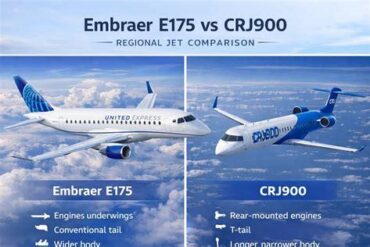
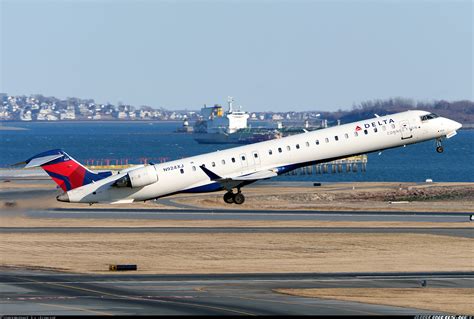
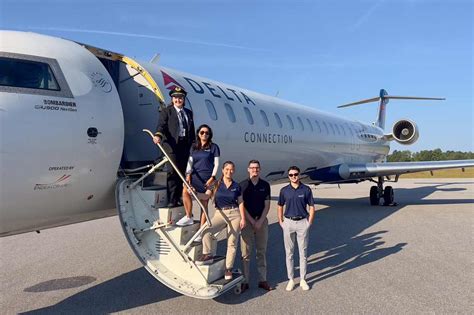
As of February 2025, Endeavor Air operates a streamlined fleet of 134 Bombardier regional jets, finely calibrated to Delta’s route network requirements. This includes:
- 12 Bombardier CRJ700s, configured for 44 seats
- 122 Bombardier CRJ900s, configured for 76 seats
The selection of these aircraft enables high-frequency, short-to-medium haul operations with optimal fuel efficiency and gate utilization. The CRJ900, in particular, offers first-class seating, onboard Wi-Fi, and other premium features consistent with Delta’s branding, making it ideal for high-value business travel on regional routes.
Operational Footprint: Strategic Base Locations
Endeavor’s geographical distribution of crew and maintenance bases underpins its network reliability and service resilience. Major crew bases include:
- Atlanta Hartsfield–Jackson (ATL)
- Cincinnati/Northern Kentucky (CVG)
- Detroit Metropolitan (DTW)
- Minneapolis–Saint Paul (MSP)
- New York–JFK and LaGuardia (LGA)
- Raleigh–Durham (RDU)
Meanwhile, its maintenance facilities are located in Des Moines (DSM), Indianapolis (IND), Knoxville (TYS), and Mosinee (CWA)—each site chosen to offer operational overlap, cost efficiencies, and technical support across its high-frequency corridors.
Safety Record: Learning from the Past
Though generally safe and professionally managed, Endeavor Air has faced notable incidents in its past iterations. These include:
- December 1, 1993: Jetstream 31 crash in Hibbing, MN, killing 18 due to cockpit communication failure.
- October 14, 2004: CRJ200LR crash in Jefferson City, MO, after exceeding certified ceiling—both pilots perished.
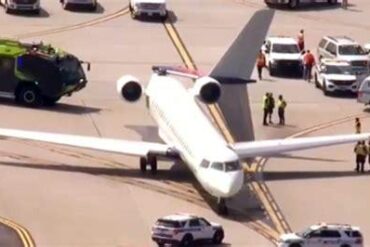
- February 17, 2025: CRJ900LR overran runway and overturned at Toronto Pearson, injuring 21 passengers.
These events have prompted internal policy reforms, pilot training overhauls, and maintenance upgrades aimed at reducing future risks. Today, the airline maintains robust safety protocols and adheres closely to FAA oversight and Delta’s internal audit standards.

Labor Relations: A Critical Inflection Point
Despite operational strength, Endeavor Air has been under pressure over employee pay disparities, especially among flight attendants. In February 2024, staff staged public pickets highlighting a 45% wage gap compared to Delta’s mainline crews. The situation escalated in May 2024, when over 1,000 employees sent a signed letter to Delta CEO Ed Bastian, urging wage parity and citing widespread reliance on public assistance.
The wage disparity issue has become both a PR and HR challenge. While Delta enjoys high profit margins and brand prestige, it faces growing scrutiny over its treatment of regional labor. Endeavor’s employees argue they perform the same duties as mainline counterparts, often under more strenuous regional conditions, yet earn substantially less.
The outcome of these negotiations will not only shape Endeavor’s employee morale and retention but also signal how legacy carriers treat their regional subsidiaries in an era of rising labor activism.
Endeavor’s Role in Delta’s Competitive Strategy
Endeavor Air is not merely a subsidiary; it is a strategic lever within Delta’s competitive framework. By operating under the Delta Connection banner, Endeavor provides:
- Feeder traffic to major hubs, sustaining profitability on long-haul routes.
- Brand consistency across regions, preserving Delta’s image from large international hubs to smaller markets.
- Operational cost segmentation, allowing Delta to maintain margins by utilizing lower-cost regional crews and aircraft.
As Delta continues to emphasize network resilience and market reach, Endeavor’s role will only deepen. Its continued success will depend on fleet modernization, labor harmony, and unwavering safety performance.
Conclusion: A Model of Regional Integration in Modern Aviation
Endeavor Air’s trajectory from a modest regional startup to a cornerstone of Delta’s regional operation encapsulates the broader evolution of the U.S. aviation ecosystem. Its ability to adapt, grow, and maintain alignment with major carrier strategies places it among the most significant players in the regional airline segment.
However, as pressures mount—both from within the workforce and from a market demanding sustainability and innovation—Endeavor’s next decade will require strategic foresight, responsive leadership, and continual operational excellence. In many ways, Endeavor Air exemplifies the quiet, indispensable machinery behind big-brand aviation success.