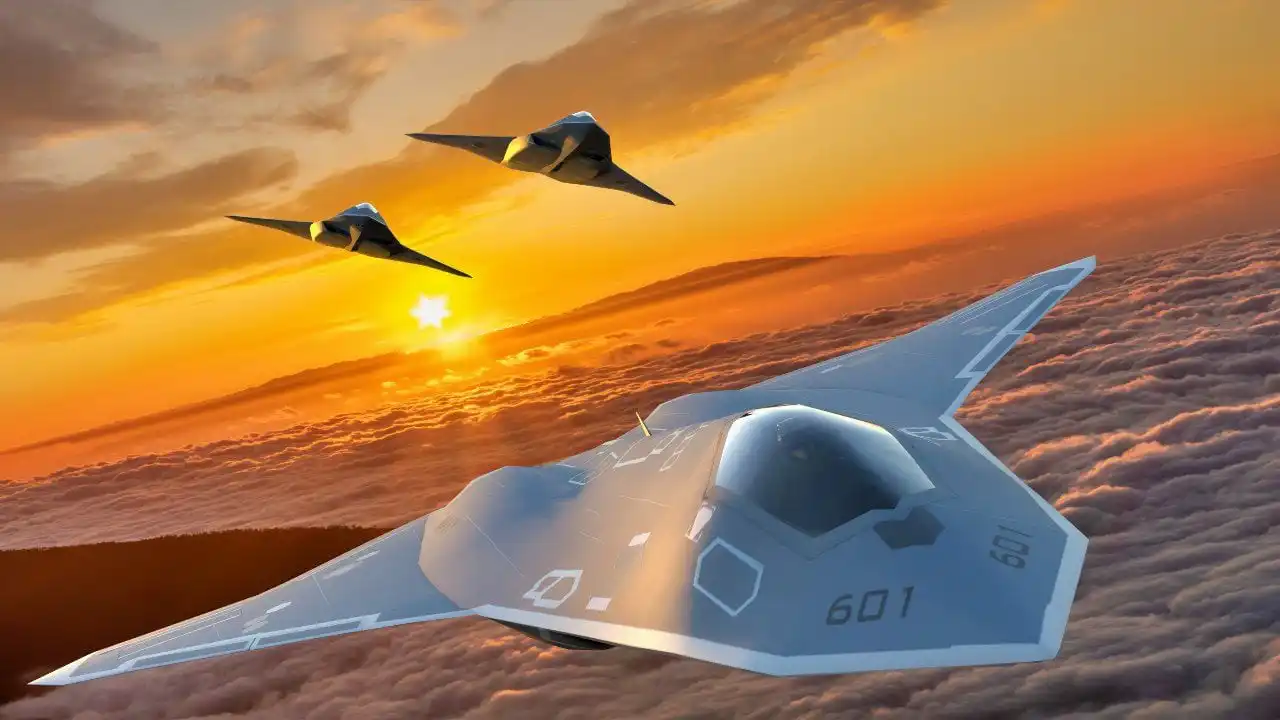
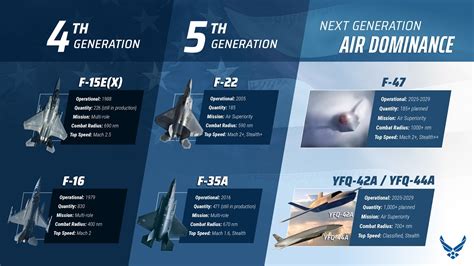
The U.S. Air Force is entering a transformative era with the Next Generation Air Dominance (NGAD) program, which will replace the F-22 Raptor with the cutting-edge F-47. This transition marks a significant leap in aerial warfare technology, incorporating advanced stealth, AI-driven mission systems, and next-generation adaptive engines. Here is a deep dive into the development, upgrades, and strategic challenges surrounding the F-22’s successor.
The NGAD F-47: Successor to the F-22 Raptor
A New Era of Air Superiority
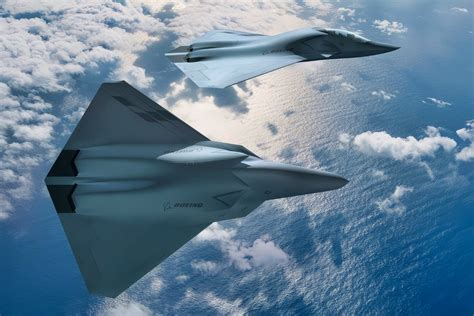
The Pentagon has selected Boeing to develop the F-47, a sixth-generation fighter designed to dominate contested airspaces. Unlike its predecessor, the F-47 is not just a standalone aircraft but a networked combat system. It will operate alongside Collaborative Combat Aircraft (CCAs)—unmanned drones capable of executing reconnaissance, electronic warfare, and precision strikes.
The NGAD initiative aims to counter emerging threats from near-peer adversaries, particularly China and Russia, whose advancements in fighter technology and air defense systems pose significant challenges.
Core Features of the F-47 NGAD
- Stealth Evolution – A redefined stealth profile, surpassing the F-22’s radar-evading capabilities.
- Adaptive Engine Technology – Enhanced fuel efficiency, greater thrust, and increased operational range.
- AI-Driven Systems – Autonomous decision-making to aid pilots in complex combat environments.
- Manned-Unmanned Teaming – Seamless integration with CCAs for enhanced mission flexibility.
- Hypersonic Weapon Compatibility – Designed to deploy and counter hypersonic missiles.
Deployment Timeline and Transition Strategy
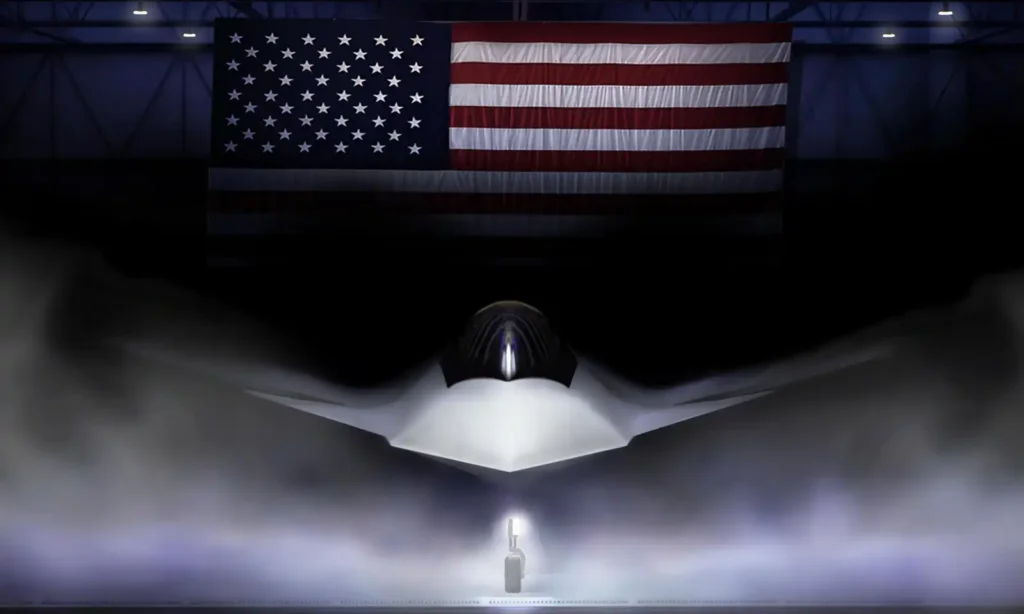
The F-47 is expected to enter service in the 2030s, but the F-22’s retirement will be gradual. Delays in the NGAD program, budgetary constraints, and geopolitical tensions could impact this timeline. The U.S. Air Force is ensuring that the F-22 remains operational through incremental upgrades while waiting for the F-47’s full deployment.
Extending the F-22’s Service Life
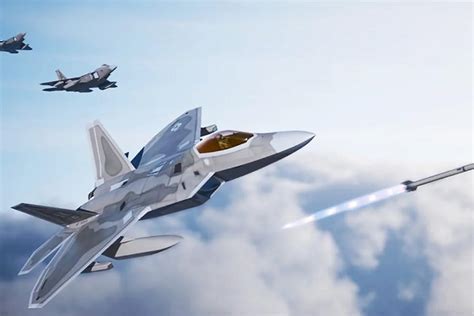
Until the F-47 becomes combat-ready, the Air Force is implementing critical F-22 upgrades to maintain its combat viability into the 2040s.
Key F-22 Modernization Efforts
- Advanced Sensor Suite – A $1.04 billion contract with Raytheon funds the integration of Infrared Search and Track (IRST) systems and helmet-mounted displays, improving situational awareness.
- Enhanced Stealth Coatings – Upgraded radar-absorbing materials to reduce detection by enemy air defenses.
- Stealth-Compatible Fuel Tanks – Extended range without compromising the F-22’s low-observability features.
- Missile Warning Systems – New infrared sensors to improve threat detection and survivability.
Challenges and Strategic Shifts
NGAD Uncertainty and Delays
Despite the ambitious goals of the NGAD program, unforeseen technical and budgetary constraints have already led to delays. The Air Force had initially planned to retire 32 older F-22s, but this decision has been paused as officials reassess NGAD’s timeline and combat readiness.
Boeing’s Victory Over Lockheed Martin
The selection of Boeing over Lockheed Martin to develop the NGAD F-47 represents a strategic industry shift. Lockheed, the original manufacturer of the F-22, had anticipated leading the sixth-generation fighter program. However, Boeing’s success signals a new direction for U.S. military aviation dominance.
The Navy’s F/A-XX: A Parallel Development
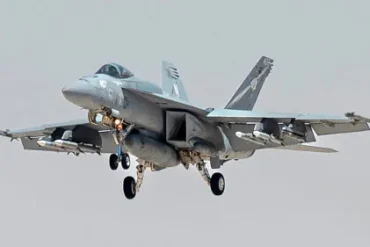
In addition to the NGAD program, the U.S. Navy is developing its own sixth-generation fighter under the F/A-XX program. Designed to replace the F/A-18 Super Hornet, this carrier-based fighter will feature similar technologies to the F-47 but optimized for naval warfare. The F/A-XX underscores the broader push for U.S. air dominance across multiple domains.
Key Takeaways
- The F-47 NGAD is set to replace the F-22 Raptor, but its deployment timeline remains flexible.
- F-22 modernization programs will ensure its combat effectiveness until at least the 2040s.
- The NGAD program faces challenges, including delays and budget constraints, which may extend the F-22’s operational lifespan.
- Boeing’s victory over Lockheed Martin in securing the NGAD contract marks a major industry shift.
- The U.S. Navy’s F/A-XX program represents a parallel development for next-generation carrier-based air superiority.
FAQ
1. Why is the U.S. Air Force replacing the F-22 Raptor?
The F-22 Raptor, while still one of the most advanced fighters, is limited by aging technology and maintenance challenges. The F-47 NGAD offers stealth enhancements, AI-driven systems, and improved range, ensuring air dominance against emerging threats.
2. What makes the F-47 superior to the F-22?
The F-47 NGAD integrates adaptive engine technology, AI mission assistance, and next-generation stealth features. Additionally, its ability to operate in tandem with unmanned drones provides unprecedented battlefield flexibility.
3. When will the F-47 enter service?
The F-47 is expected to be deployed in the 2030s, but delays in the NGAD program could extend the F-22’s service life well into the 2040s. The transition will be gradual, ensuring no capability gap in air superiority.