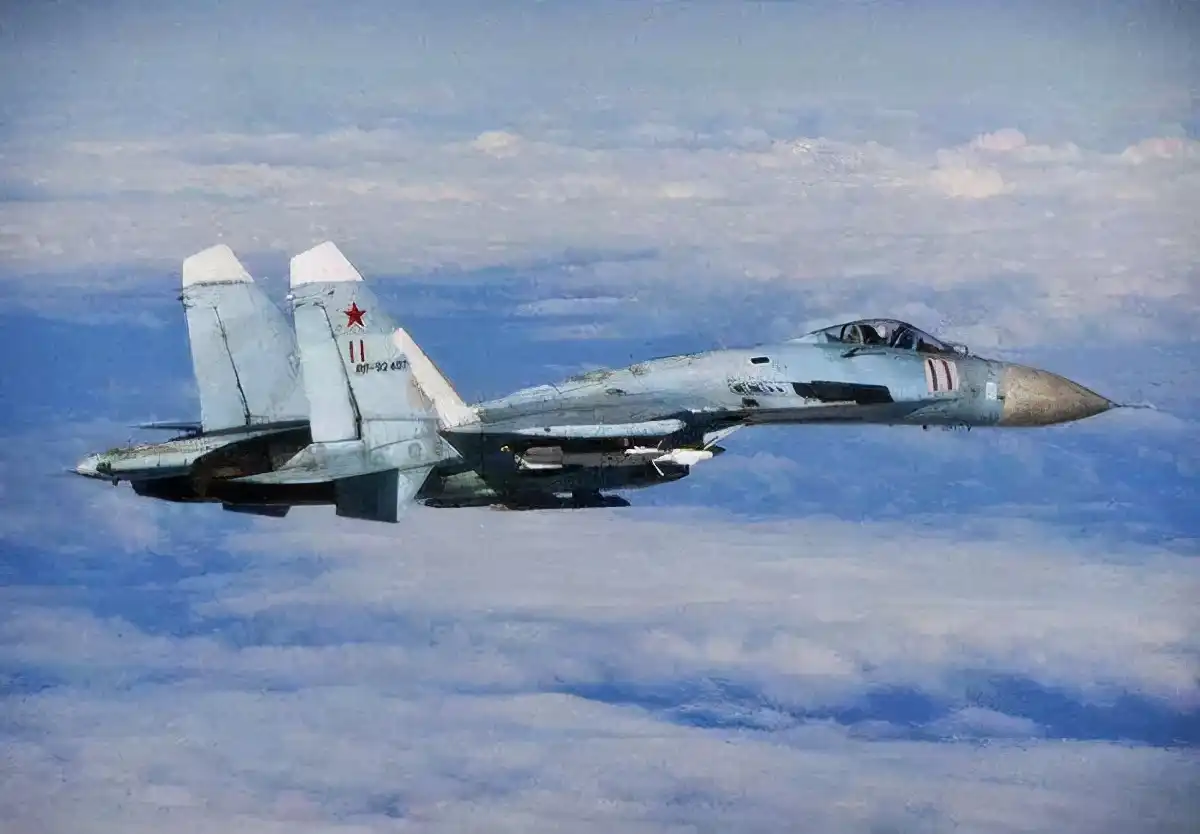
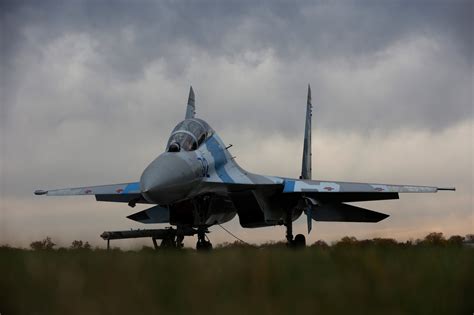
The F/A-18 Hornet and Su-27 Flanker represent two of the most iconic fighter aircraft developed during the Cold War, each reflecting distinct strategic priorities of the United States and Soviet Union. The F/A-18 was designed as a carrier-capable multirole fighter, whereas the Su-27 was engineered as a high-performance air superiority fighter to counter American threats. This detailed analysis examines the design philosophy, key performance metrics, armament, combat effectiveness, and modernization potential of these two aircraft.
Design Philosophy and Role Differences
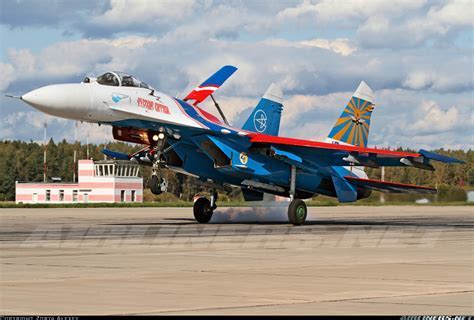
The Su-27 was conceived in response to the U.S. Air Force’s F-15 Eagle, aiming to deliver superior maneuverability, high-speed interception, and long-range engagement. Its aerodynamic design, featuring blended wing-body integration, enables exceptional agility, particularly in close-range dogfights. The aircraft’s twin AL-31F engines provide high thrust-to-weight ratio, allowing advanced maneuvers such as the Pugachev’s Cobra.
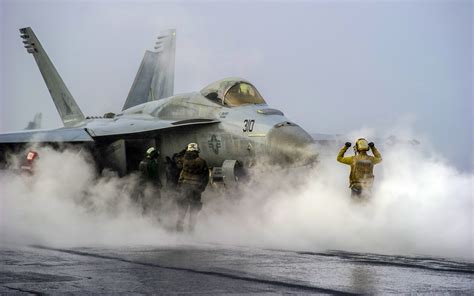
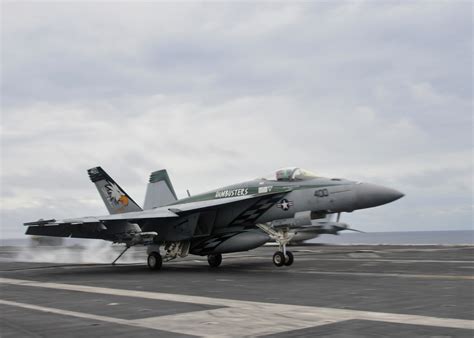
In contrast, the F/A-18 was designed as a carrier-based multirole fighter with balanced performance across air-to-air and air-to-ground missions. Developed to replace the A-7 Corsair II, it emphasizes versatility, ease of maintenance, and operational reliability. Its short takeoff and landing (STOL) capability allows efficient carrier operations, making it an integral part of the U.S. Navy’s carrier strike groups.
Key Distinctions in Design Approach
- Su-27: Air superiority fighter optimized for high-speed interception, long-range engagements, and extreme maneuverability.
- F/A-18: Multirole carrier-based fighter prioritizing operational flexibility, reliability, and seamless integration into naval aviation.
Performance Comparison: Speed, Range, and Maneuverability
A detailed evaluation of performance metrics highlights the strengths and limitations of each aircraft:
| Specification | Su-27 | F/A-18 | Advantage |
|---|---|---|---|
| Maximum Speed | 2.35 Mach (2,500 km/h) | 1.8 Mach (1,912 km/h) | Su-27 |
| Combat Range | 3,790 km | 2,346 km | Su-27 |
| Service Ceiling | 20,000 m | 15,000 m | Su-27 |
| Thrust-to-Weight Ratio | 1.37 | 0.67 | Su-27 |
| Weapons Payload | 7,000 kg | 6,000 kg | Su-27 |
| Carrier Capability | No | Yes | F/A-18 |
Analysis of Key Metrics
- Su-27 dominates in raw power and aerial combat capability due to its higher speed, longer range, and superior maneuverability.
- F/A-18 excels in naval operations, offering better reliability and versatility across mission types.
- Su-27’s air combat agility is superior, featuring high-angle-of-attack control and supermaneuverability.
- F/A-18’s carrier adaptability allows for rapid deployment and integration into naval warfare, a capability the Su-27 lacks.
Weapons and Combat Effectiveness
The armament loadout of both fighters plays a critical role in determining combat effectiveness across different engagement scenarios.
Su-27 Armament
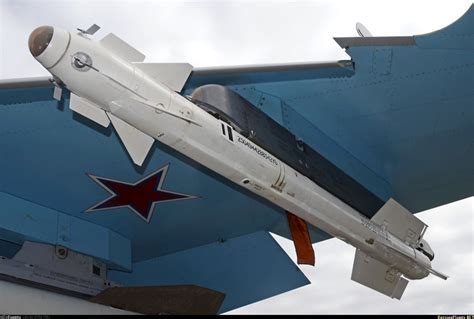
The Su-27 Flanker is designed for air superiority with a heavy emphasis on missile-based engagements:
- Primary Air-to-Air Weapons:
- R-73 (AA-11 Archer): Highly maneuverable, short-range IR-guided missile
- R-77 (AA-12 Adder): Active radar-guided medium-range missile
- Air-to-Ground Capabilities:
- Limited but can carry laser-guided bombs in later variants.
- Cannon: GSh-30-1 30mm cannon (150 rounds)
F/A-18 Armament
The F/A-18 Hornet supports a wide variety of air-to-air and air-to-ground munitions, making it a true multirole fighter:
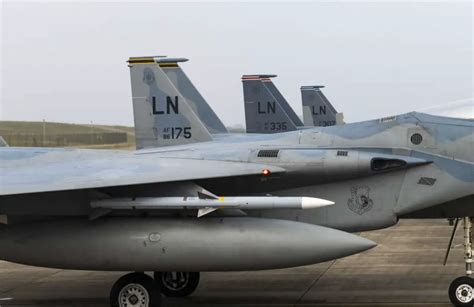
- Primary Air-to-Air Weapons:
- AIM-9X Sidewinder: Short-range heat-seeking missile with off-boresight capability
- AIM-120 AMRAAM: Advanced medium-range radar-guided missile
- Air-to-Ground Capabilities:
- JDAM (Joint Direct Attack Munition) precision-guided bombs
- AGM-84 Harpoon anti-ship missiles
- Cannon: M61 Vulcan 20mm rotary cannon (578 rounds)
Combat Capability Comparison
- Su-27’s missile loadout favors high-speed engagements and long-range air superiority.
- F/A-18’s precision-guided weapons enable superior strike capabilities against ground and naval targets.
- Su-27’s dogfight effectiveness is unmatched, while the F/A-18 has superior beyond-visual-range engagement capabilities.
Operational Integration and Tactical Use
One of the biggest differentiators between these aircraft lies in their operational environment and combat doctrine.
Su-27: Independent Air Superiority
- Relies on ground-based radar networks and AWACS support.
- Highly effective in traditional air combat scenarios but vulnerable to electronic warfare.
- Excellent for defensive and offensive aerial engagements, with extended range and loiter time.
F/A-18: Carrier-Based Warfare
- Operates within a carrier strike group, benefiting from E-2 Hawkeye early warning support and EA-18G Growler electronic warfare aircraft.
- Can perform deep-strike missions, air defense, and close air support.
- Optimized for network-centric warfare, allowing seamless coordination with allied forces.
Modernization and Future Upgrades
Su-27 Evolution
The Su-27 has evolved into more advanced variants such as:
- Su-30MKI: Multirole fighter with advanced avionics and thrust-vectoring.
- Su-35S: Enhanced radar, stealth features, and supercruise capability.
- Su-57 (5th-gen successor): Integrating stealth, superior sensors, and next-gen weaponry.
F/A-18 Upgrades
The F/A-18 Hornet has been extensively modernized:
- F/A-18E/F Super Hornet: Improved range, avionics, and radar cross-section reduction.
- Block III Upgrade: Includes enhanced networking, conformal fuel tanks, and infrared search & track (IRST) sensors.
Conclusion: Which Fighter is Superior?
- Su-27 dominates traditional air combat scenarios with speed, agility, and firepower.
- F/A-18 excels in multirole missions, offering carrier compatibility, advanced avionics, and precision strike capability.
- In a direct one-on-one engagement, Su-27 holds the edge, but in a networked combat environment, F/A-18’s operational advantages become more apparent.
Frequently Asked Questions (FAQ)
1. Is the Su-27 better than the F/A-18 in air combat?
Yes, in traditional dogfights, the Su-27’s superior speed, maneuverability, and missile loadout provide an advantage. However, modern networked warfare reduces this edge.
2. Can the F/A-18 outperform the Su-27 in real combat?
While one-on-one the Su-27 may dominate, the F/A-18’s carrier-based operations and electronic warfare integration can neutralize many advantages of the Su-27.
3. Why is the F/A-18 preferred for naval aviation?
The F/A-18 is optimized for carrier operations, with short takeoff/landing, ruggedized landing gear, and multirole capability, making it an essential part of the U.S. Navy’s air power.