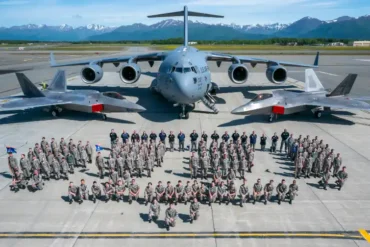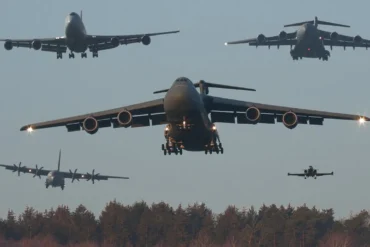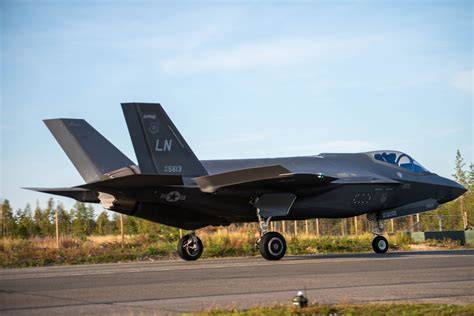
Since NATO was created in 1949, American airpower has served as one of the alliance’s most important strategic foundations. The United States does not provide the majority of NATO’s aircraft, but its contribution goes far beyond simple fleet numbers. American fighters, tankers, surveillance aircraft, special operations platforms, airlifters, and command-and-control assets provide capabilities that allow European allies to operate farther, respond faster, and sustain combat operations for longer.
In 2026, that contribution is particularly visible across a small group of American installations scattered around Europe. At any given time, roughly 300 to 400 US military aircraft belonging to the Air Force, Navy, Marine Corps, and Army can be found across the continent and nearby operating locations. Although those aircraft represent only a fraction of NATO’s overall air fleet, they supply many of the alliance’s most difficult capabilities.
Approximately half of those American airframes are concentrated around five installations: Aviano Air Base in Italy, RAF Mildenhall and RAF Lakenheath in the United Kingdom, Spangdahlem Air Base in Germany, and Ramstein Air Base in Germany. Each performs a different role. One anchors fighter operations and nuclear deterrence in Southern Europe, another provides aerial refueling and intelligence, while others specialize in fifth-generation combat aircraft, suppression of enemy air defenses, strategic airlift, and command-and-control.
Together, these bases form something much more important than a collection of American military facilities. They constitute an interconnected airpower architecture in which fighters depend on tankers, tankers depend on logistics, combat aircraft depend on intelligence, and virtually every major operation depends on the ability to move personnel and equipment rapidly across the Atlantic and European theater.
Aviano Air Base: NATO’s Southern Fighter and Nuclear Deterrence Anchor
Located in northeastern Italy, Aviano Air Base has been part of the American military presence in Europe for more than seven decades. The US Air Force established a long-term presence there in 1954, and the United States and Italy formalized the base’s role within the NATO framework soon afterward. Its strategic importance has grown with every generation of European security planning.
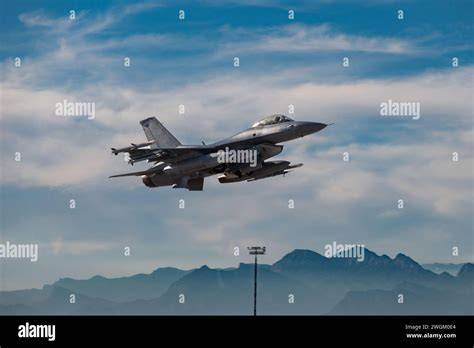
Today, Aviano is home to the 31st Fighter Wing, which operates Lockheed Martin F-16 Fighting Falcons. Those aircraft provide a highly flexible combat capability for missions across Southern and Eastern Europe, giving NATO an established fighter force positioned well south of Germany and within reach of the Balkans, Mediterranean, and Black Sea regions.
The F-16s are particularly important because they remain capable of performing a wide range of missions. Their responsibilities can include air defense, strike operations, close air support, and other tactical missions that could be required during a major European contingency. Their location also gives NATO an important southern operating point rather than forcing the alliance to concentrate its fighter capacity exclusively in northern and central Europe.
Aviano’s importance becomes even greater because it participates in NATO’s nuclear-sharing mission. The installation is among the small number of European bases associated with the American nuclear deterrence posture, with approximately 20 B61-12 guided gravity bombs reportedly assigned to the base’s nuclear mission infrastructure.
The modernization of NATO’s nuclear deterrence system is gradually changing the aircraft associated with that mission. The F-35A Lightning II offers stealth, advanced sensors, networking, and improved survivability compared with earlier generations of fighters. Italy itself is among the NATO nations acquiring F-35A aircraft configured for the dual-capable mission, alongside several other European allies.
Yet Aviano’s transition is not simply a matter of removing F-16s and replacing them with F-35s. The existing Fighting Falcons remain certified for the dual-capable role, while US F-35As can rotate through European bases as NATO’s broader fifth-generation force develops.
That approach gives the alliance flexibility. Aviano can maintain an established fighter presence while simultaneously becoming part of a wider network of F-35-based European deterrence.
RAF Mildenhall: The Tanker and Intelligence Engine Behind European Airpower
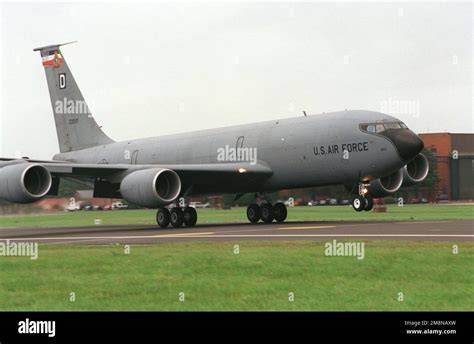
If Aviano represents one of NATO’s important fighter strongholds, RAF Mildenhall represents something less visually dramatic but arguably just as important: the ability to keep aircraft flying.
Located in Suffolk, England, Mildenhall began life as an RAF bomber station in 1934 before becoming a joint US-UK installation after World War II. Its future has periodically been questioned, including plans for closure announced in the past decade. Those plans were eventually reversed as its strategic value became increasingly difficult to replace.
The reason is straightforward. Mildenhall is a major hub for US aerial refueling and special operations forces in Europe.
The USAF’s 100th Air Refueling Wing operates Boeing KC-135 Stratotankers from the base. These aircraft allow fighters and other combat aircraft to remain airborne for substantially longer periods, increasing their operational radius and reducing the number of times they need to return to a land base for fuel.
A tanker may never fire a weapon, but its contribution can determine whether a fighter reaches its assigned operating area with enough fuel to perform its mission. In a large European air campaign, that makes aerial refueling a foundational capability rather than a supporting afterthought.
From Mildenhall, KC-135s can support operations stretching across the Atlantic, Arctic, European, Black Sea, African, and Middle Eastern theaters. Their geographical reach makes Britain an especially valuable location for sustaining American and allied air operations.
Mildenhall is also home to the 352nd Special Operations Wing, which operates aircraft including the MC-130J Commando II and CV-22B Osprey. These forces specialize in missions that require aircraft to operate in difficult environments, including infiltration, tactical mobility, and special operations support.
The base also contributes to the intelligence picture through the 95th Reconnaissance Squadron and its RC-135V/W Rivet Joint aircraft. Although the RC-135 shares its basic lineage with the KC-135, its mission is completely different. Instead of carrying fuel for other aircraft, the Rivet Joint carries sophisticated electronic intelligence equipment designed to collect and analyze signals.
The aircraft can remain on station for extended periods while crews monitor communications and electronic emissions associated with military systems. Its large mission crew includes intelligence specialists, electronic warfare personnel, and linguists.
That information becomes particularly powerful when combined with airborne early-warning systems. E-3 Sentry AWACS aircraft operating through the European network can provide a broad radar picture, while Rivet Joint missions offer insight into the electronic environment. Fighters can then operate with a much more complete understanding of what is happening around them.
This is why Mildenhall is so important. It does not merely house tankers and surveillance aircraft. It helps provide the fuel, intelligence, and special operations capacity that allow NATO’s frontline fighters to perform effectively.
RAF Lakenheath: America’s Fifth-Generation Fighter Stronghold in Europe
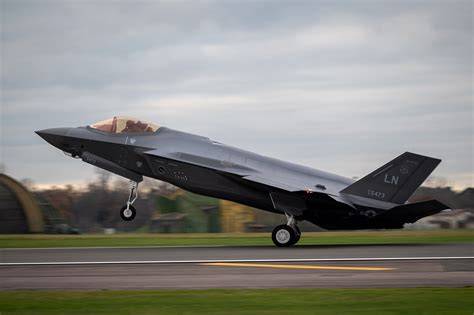
Just a short distance away, RAF Lakenheath has developed into the most important American fifth-generation fighter base in Europe.
The Royal Air Force has maintained a presence at Lakenheath since 1941, while American forces have used the installation for decades. Its historical importance stretches back to the Berlin Airlift era, but its future is increasingly defined by the F-35A Lightning II.
The base is home to the 48th Fighter Wing, which has operated F-15E Strike Eagles while transitioning toward a predominantly fifth-generation fighter force. More than 50 US F-35As are associated with Lakenheath’s current fighter presence through squadrons including the 495th and 493rd Fighter Squadrons.
The transformation is considerably larger than a simple aircraft replacement program.
The United States and United Kingdom are investing approximately $4.2 billion in infrastructure modernization at Lakenheath. The work includes aircraft maintenance facilities, hardened shelters, training infrastructure, simulators, and other installations needed to support a sophisticated fifth-generation combat fleet.
The base is also being prepared to support the return of a dual-capable aircraft nuclear deterrence mission. That makes Lakenheath important not only as a conventional fighter base but also as a future component of NATO’s nuclear posture.
The 494th Fighter Squadron is expected to transition from the F-15E to the F-35A, adding roughly two dozen more stealth fighters to the installation. As additional British F-35As arrive, the number of fifth-generation aircraft associated with Lakenheath could approach 90 aircraft.
That concentration gives NATO an unusually powerful fifth-generation strike capability. The F-35’s value is not based solely on stealth. Its sensors, data links, electronic warfare capabilities, and ability to distribute information across a network make it a critical node within modern air operations.
In a future European conflict, Lakenheath’s aircraft could therefore contribute not only to striking targets but also to finding, tracking, identifying, and sharing information about threats across the wider battlespace.
Spangdahlem Air Base: The Base Designed to Break Through Enemy Air Defenses
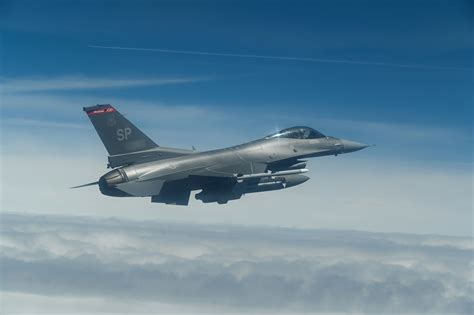
Further east in Germany, Spangdahlem Air Base provides another capability that NATO cannot easily substitute: specialized suppression of enemy air defenses.
The base is home to the 52nd Fighter Wing, including the 480th Expeditionary Fighter Squadron and its F-16 Vipers. The squadron’s mission includes the dangerous and highly specialized role known as Wild Weasel operations.
The basic purpose of suppression of enemy air defenses, or SEAD, is to reduce the ability of hostile surface-to-air missile systems to interfere with friendly aircraft. In a heavily defended battlespace, conventional fighters may struggle to penetrate without first neutralizing or suppressing radar-guided missile systems.
Wild Weasel crews are therefore trained to identify, locate, suppress, and destroy hostile air-defense threats. Their missions can involve operating toward the very systems attempting to shoot them down.
That makes the F-16s at Spangdahlem a specialized tool within the broader NATO air campaign. The alliance can possess hundreds of fighters, but those fighters still need aircraft capable of helping create corridors through sophisticated enemy air defenses.
Spangdahlem’s importance increased dramatically after Russia’s full-scale invasion of Ukraine in 2022. The resulting transformation of Europe’s security environment led to increased deployments and a higher operational tempo throughout NATO’s eastern flank.
Rotational deployments to Spangdahlem have included F-35 fighters, air-refueling aircraft, and electronic warfare platforms such as the US Navy’s EA-18G Growler. The combination demonstrates how the base can function as a flexible launch point for multiple types of airpower rather than simply a permanent F-16 station.
The installation had previously faced questions about whether its fighter mission would eventually be reduced. Those plans were reversed as European security priorities changed.
By 2026, Spangdahlem’s value is difficult to separate from NATO’s renewed emphasis on high-end warfare. A conflict against a sophisticated opponent would require more than air superiority fighters. It would require aircraft capable of penetrating contested airspace and dismantling the defensive network protecting it.
That is precisely where Spangdahlem fits.
Ramstein Air Base: NATO’s Global Gateway and Airpower Nerve Center
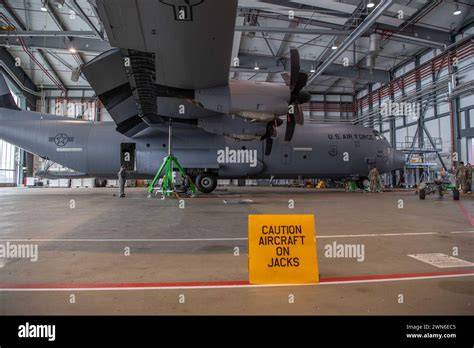
If there is one installation that connects the others together, it is Ramstein Air Base.
Located in southwestern Germany, Ramstein is the largest American air base overseas and one of the most important installations in the entire US military network. Opened in 1952, it evolved from a postwar American airfield into a major headquarters, airlift, logistics, medical evacuation, and command facility.
The base is closely associated with US Air Forces in Europe, NATO Allied Air Command, and US Air Forces Africa. More importantly, its geographic position allows it to connect American military infrastructure in North America with forces operating throughout Europe and beyond.
The 86th Airlift Wing provides a major part of that capability. C-130 Hercules aircraft are frequently associated with the base, but Ramstein regularly handles aircraft from across the broader allied air fleet.
Its role extends far beyond moving cargo. Ramstein supports the movement of personnel, equipment, humanitarian supplies, and medical evacuees. During a major military operation, that logistical function becomes indispensable because combat power is only useful if the necessary people, ammunition, fuel, spare parts, and equipment can reach the theater.
The 521st Air Mobility Operations Wing adds another layer by coordinating elements of the global air mobility system. Together, these organizations make Ramstein a central node for moving the resources needed to sustain operations.
The base also contributes to NATO’s integrated air and missile defense architecture. Airborne early-warning aircraft, radar networks, command centers, and missile-defense systems depend on the ability to exchange information rapidly. Ramstein’s command infrastructure helps bring these separate capabilities into a coordinated operational picture.
That network can incorporate information from multiple sources, including land-based radars, naval assets, and installations positioned across NATO’s eastern and southern regions. The objective is to transform individual sensors and weapons into a connected defensive system rather than isolated national capabilities.
Ramstein’s importance is also reflected by the enormous community surrounding it. The Kaiserslautern Military Community encompasses more than 50,000 American service members, dependents, civilians, and contractors, making it one of the largest American military communities outside the United States.
Why These Five Bases Matter More Together Than Separately
The real significance of these five installations becomes apparent when they are viewed as a single system.
A fighter at Lakenheath may possess extraordinary sensors and stealth, but it still needs fuel, intelligence, weapons, maintenance, and command support. A fighter at Spangdahlem may be capable of suppressing enemy defenses, but its mission becomes more effective when supported by intelligence aircraft and tankers. A tanker at Mildenhall can extend the range of combat aircraft, while Ramstein can move the personnel and equipment needed to keep the entire system functioning.
Aviano adds another geographic dimension by providing a southern fighter presence and contributing to NATO’s nuclear deterrence architecture. Lakenheath provides a rapidly expanding fifth-generation force in the northwestern European theater. Spangdahlem provides specialized SEAD capabilities in central Europe. Mildenhall supplies refueling, reconnaissance, and special operations. Ramstein connects the entire structure through air mobility and command infrastructure.
This interdependence is the defining characteristic of modern NATO airpower.
The alliance’s strength does not come simply from counting aircraft. It comes from the ability to connect sensors, fighters, tankers, command centers, logistics networks, and defensive systems into one operational structure.
That is also why these bases have survived decades of strategic change. Their aircraft have changed from generation to generation, their missions have expanded or contracted, and some have periodically faced closure proposals. Yet their underlying strategic functions remain essential.
The Quiet Infrastructure Behind NATO’s Airpower in 2026
The most important military installations are not always the ones receiving the most attention. Fighter jets are visually impressive, but the wars of the future will depend just as heavily on the infrastructure supporting them.
A stealth fighter cannot remain airborne indefinitely. A tanker cannot operate without maintenance. A reconnaissance aircraft is far more valuable when its intelligence reaches commanders quickly. An airlift hub cannot move an army without secure runways, logistics personnel, medical facilities, fuel, and communications.
The five US Air Force bases highlighted here represent those different layers of capability.
Aviano anchors Southern European fighter and nuclear deterrence operations. Mildenhall keeps aircraft fueled and provides specialized intelligence and special operations capabilities. Lakenheath is emerging as Europe’s premier American F-35 stronghold. Spangdahlem provides the dangerous but indispensable Wild Weasel mission. And Ramstein ties the entire architecture together through air mobility, command, logistics, and integrated defense.
In 2026, NATO’s European airpower is therefore not simply a collection of aircraft parked on runways. It is a deeply connected system whose effectiveness depends on the interaction of dozens of specialized capabilities.
These five American bases sit near the heart of that system. Their aircraft may be different, their missions may be separated by hundreds of miles, and their histories may stretch back to very different eras. But together, they provide much of the fighter power, aerial refueling, intelligence, special operations, air defense, logistics, and command infrastructure that allows NATO to turn national military forces into a credible collective airpower capability.
That is why their importance extends far beyond the number of aircraft visible on their ramps. In a European crisis, the decisive advantage may not come from the fighter that launches first. It may come from the tanker that keeps it airborne, the reconnaissance aircraft that identifies the threat, the Wild Weasel crew that suppresses the missile battery, or the airlift network that delivers the next wave of forces.
And much of that invisible machinery runs through these five American bases.