Delta, United and JetBlue Ordered to Disclose How Passenger Data Shapes Fares
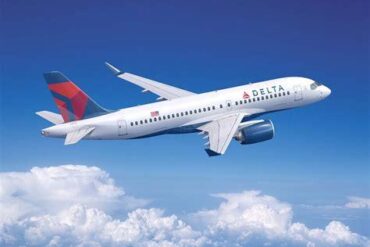
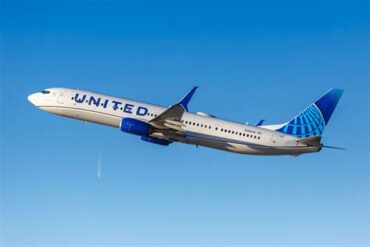
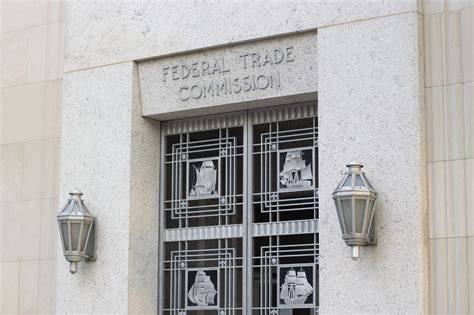
The Federal Trade Commission has ordered Delta Air Lines, United Airlines and JetBlue Airways to explain how they set ticket prices, opening a formal inquiry into whether carriers use customers’ personal data to calculate individually tailored fares. The orders were issued under Section 6(b) of the FTC Act, a powerful investigative tool that compels companies to produce documents and written answers under penalty of law. The three airlines now have 45 days to describe their pricing methods and disclose whether customer information — browsing history, device data, location, or loyalty status — plays any role in determining what each passenger pays. The action lands at a moment when AI-powered pricing systems are spreading rapidly through the airline industry, and when consumer suspicion about surveillance pricing has moved from internet forums into the halls of federal regulators.
Nine Companies, One Sweeping Pricing Inquiry
The airlines are not alone in the commission’s crosshairs. The FTC sent similar demands to nine companies spanning several sectors of the consumer economy, including ride-hailing giants Uber and Lyft, delivery platforms DoorDash and Instacart, and retailers Target and Walmart. The agency said the orders will allow it to “scrutinize the opaque methodology” that companies use to charge their customers — language that signals a broader theory of harm, one in which firms quietly adjust prices based on what they infer about an individual’s willingness to pay. For the airlines specifically, the inquiry reaches well beyond the headline ticket price. Regulators want to know how discounts and promotions are calculated, how paid upgrade offers are generated, and how targeted fare sales reach specific travelers. The orders also single out loyalty program membership, placing Delta SkyMiles, United MileagePlus and JetBlue TrueBlue directly under the spotlight.
How Dynamic Pricing Tools Became the Industry Standard
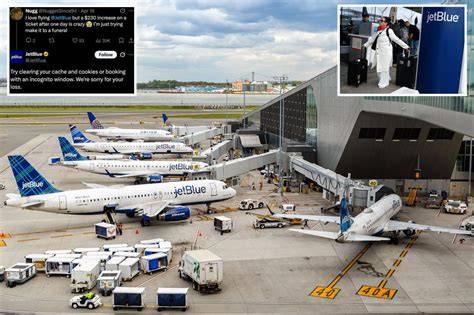
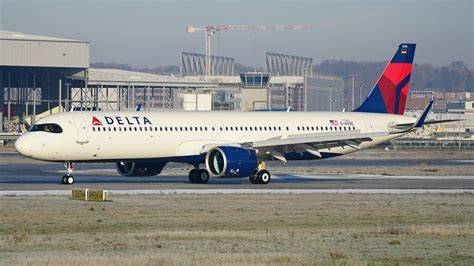
Airlines have used revenue management systems for decades, but the newest generation of tools relies on machine learning to adjust fares continuously rather than several times a day. Delta has drawn particular criticism for a dynamic pricing tool developed with the Israeli artificial intelligence company Fetcherr, which the carrier has deployed to sharpen its pricing decisions in real time. The airline has denied strenuously that the system uses personal data, insisting that the tool receives only route-level demand and market information rather than anything tied to an identifiable passenger. Delta’s Executive Vice President and Chief External Affairs Officer, Peter Carter, has said there are no fares the airline has ever used, is testing, or plans to use that target customers with individualized prices based on personal data. JetBlue, meanwhile, is fighting a class action lawsuit that grew out of a viral social media exchange, in which an airline representative advised a customer who had watched a fare climb by $230 to clear their cookies or book in an incognito window. The carrier maintains its fares are driven by demand and seat availability and are identical for everyone booking through its website and app. United has not publicly commented on the order.
The Regulators, the Politics and the Missing Airline
FTC Chairman Andrew Ferguson framed the inquiry as a matter of basic fairness, stating: “Consumers deserve to know whether companies use their web surfing habits or other personal data to estimate the highest price they can charge each consumer.” Yet the FTC’s leverage over airlines is limited. The agency has no direct enforcement authority over carriers, so any penalty for wrongdoing would fall to the US Department of Transportation, which holds jurisdiction over unfair or deceptive practices by airlines and ticket agents. Transportation Secretary Sean Duffy has previously warned that the DOT would “engage very strongly” if any carrier used AI to price seats individually. On Capitol Hill, Senator Ruben Gallego’s One Fair Price Act, introduced last December and still under review by Congress, would ban surveillance pricing outright and hand the FTC explicit enforcement powers over airlines.
Price Discrimination or Personalization? What the Investigation Will Test
The central question regulators are pressing is whether fare differences reflect genuine market forces or hidden consumer profiling. Airlines argue that any variation in price simply reflects demand, seat inventory and booking timing — variables every traveler can see in the booking funnel. Critics counter that when carriers hold detailed data on search behavior, loyalty ties and payment history, the line between dynamic pricing and first-degree price discrimination becomes perilously thin. The FTC’s demands aim to break that ambiguity open: companies must produce internal documents, pricing models and records showing precisely what data enters their systems and what comes out. The absence of American Airlines from the inquiry has also drawn notice. Its CEO, Robert Isom, said last year that using AI to set fares was not “appropriate” and amounted to a “bait-and-switch”, adding that the carrier would not deploy systems to manipulate fares on an individual basis. That contrast leaves Delta, United and JetBlue defending their algorithms while a competitor positions itself as the industry’s restraint story — a dynamic likely to shape public perception as the 45-day clock runs down.