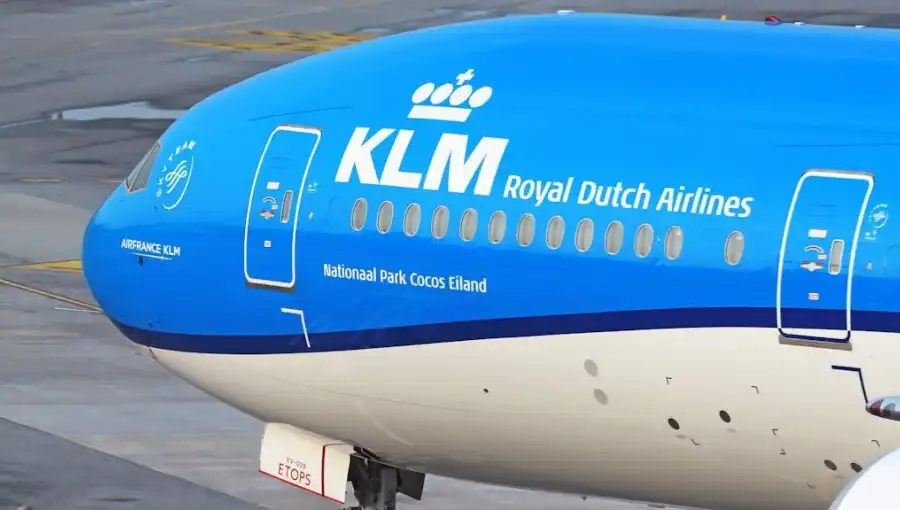
Iran’s rapidly deteriorating internal security situation has prompted a wave of international flight suspensions, as major global and regional airlines reassess the risks of operating into the country. Over the weekend, escalating protests, a lethal government crackdown, and mounting instability on the ground pushed carriers to halt services, effectively isolating Iran from much of the international aviation network despite its airspace remaining technically open.
The decision by multiple airlines to suspend flights reflects a convergence of operational caution and reputational risk. While no direct threats to commercial aircraft have been confirmed, the sheer scale of unrest across Iranian cities has made airport access, passenger safety, and ground handling operations increasingly unpredictable. Airlines are acutely sensitive to situations where passengers or crew could be exposed to violence, sudden curfews, or transport disruptions beyond the airport perimeter.
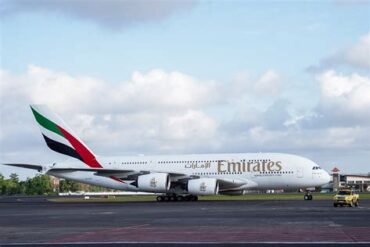
Among the first movers were major Gulf and regional carriers with deep connectivity to Iran. Emirates, flydubai, Qatar Airways, and Turkish Airlines all canceled scheduled services beginning Friday, according to real-time flight data from FlightAware. European carriers, including Austrian Airlines, followed shortly after. The majority of cancellations have centered on Tehran’s Imam Khomeini International Airport, Iran’s primary international gateway, but services to Bandar Abbas, Mashhad, and Shiraz have also been affected, highlighting the nationwide scope of the unrest rather than a localized disruption.
Commercial flight tracking platforms such as Flightradar24 show a striking absence of civilian aircraft over Iran, even though the country has not formally closed its airspace. This pattern suggests a deliberate avoidance strategy by airlines seeking to minimize exposure to both airborne and ground-level risks. The concern is not confined to runway safety but extends to potential disruptions during boarding, fueling, and crew layovers amid a volatile security environment.
Escalating Unrest Drives Airline Risk Calculations
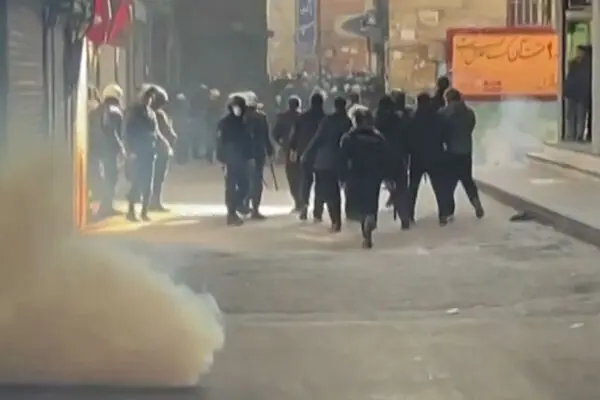
Cities across Iran have experienced sustained demonstrations, with security forces responding forcefully. Human rights groups and international observers report hundreds of deaths in recent days, intensifying global scrutiny of the Iranian government’s actions. For airlines, this context matters. Aviation risk assessments increasingly incorporate political stability, crowd control near airports, and the reliability of emergency response systems, not just air traffic control integrity.
Iranian authorities have maintained that airports and air navigation services remain fully operational, and technically that appears to be the case. However, airlines operate under a duty of care that extends beyond technical minimums. When violence becomes widespread, the margin for error shrinks dramatically. Even minor disruptions can cascade into major operational failures, leaving passengers stranded or crews unable to rotate safely.
Airspace Safety Warnings Add Another Layer of Concern
Compounding the unrest on the ground is a renewed focus on airspace risk. On January 9, Iran’s Civil Aviation Organization issued a warning to airlines about declining safety conditions, citing increased military aircraft and drone activity. While the situation does not yet mirror the extreme risks seen in active war zones, the presence of heightened military operations introduces uncertainty that commercial aviation is designed to avoid.
Iran’s airspace has a recent history of sudden closures tied to regional conflict, particularly its long-running tensions with Israel. Missile exchanges last summer forced temporary shutdowns, disrupting international routes across the Middle East. The memory of the January 2020 tragedy involving Ukraine International Airlines Flight PS752 remains deeply ingrained within the aviation industry. That incident, in which a Boeing 737-800 was mistakenly shot down shortly after departing Tehran, killing all 176 people onboard, fundamentally reshaped how airlines evaluate overflight and destination risk in Iran.
Iranian Airlines Continue Operations Despite Isolation
In contrast to foreign carriers, Iranian airlines including Iran Air, Mahan Air, and Qeshm Air have continued operating without interruption. Domestic flights remain active, and limited international services, particularly to nearby hubs such as Dubai, are still running. Iran’s airports and air traffic control systems appear to be functioning normally, even amid a nationwide internet and communications blackout.
This divergence underscores a familiar pattern in crisis aviation scenarios. National carriers often continue flying due to government directives, economic necessity, or limited alternatives, while foreign airlines prioritize risk avoidance and regulatory compliance. For passengers, this creates a fragmented travel landscape where outbound options exist but inbound connectivity is sharply reduced.
Uncertain Timeline for Service Restoration
Most international airlines have initially suspended flights only through the weekend, with tentative plans to resume services early next week. Emirates, Etihad Airways, and flydubai have already begun restoring select flights, signaling cautious optimism that conditions may stabilize. Iran is not a major long-haul market, but it relies heavily on Gulf carriers for regional and onward connections, making even short suspensions disruptive for travelers and businesses alike.
Airlines are expected to continue monitoring developments closely. Rapid policy shifts, sudden airport closures, or further escalation in violence could trigger renewed cancellations with little notice. Passengers with upcoming travel to Iran face an environment of heightened uncertainty, where flexible booking policies and contingency planning are essential. Enhanced security procedures at Iranian airports are likely, and last-minute schedule changes remain a distinct possibility as the situation evolves.