Understanding How Fast Commercial Aircraft Fly
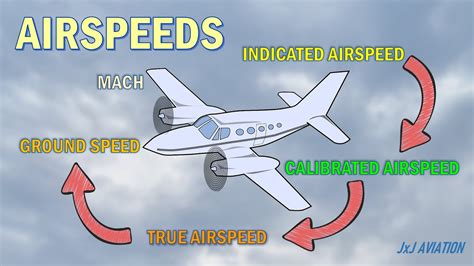
Commercial aircraft speed is often misunderstood due to the differences between airspeed, groundspeed, and the influence of high-altitude jet streams. When we talk about how fast commercial jets can fly, we must distinguish between these terms, as they dramatically affect perceptions of velocity.
In essence, airspeed refers to how fast an aircraft is moving relative to the surrounding air, while groundspeed represents how fast it is moving relative to the Earth’s surface. Tailwinds and headwinds at cruising altitudes can significantly alter groundspeed—sometimes creating the illusion that aircraft are exceeding their limits.
Typical Cruise Speeds of Modern Jetliners
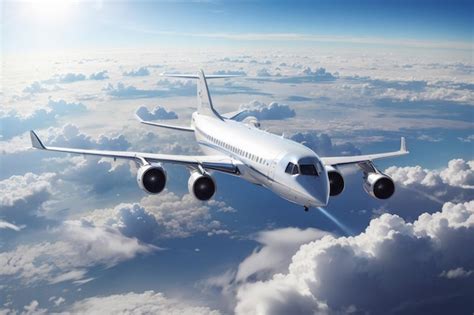
Most commercial jets cruise at speeds between 460 to 575 mph (740 to 925 km/h) in terms of true airspeed (TAS). This speed ensures a balance between fuel efficiency, engine stress, and passenger comfort. Here are some examples of typical cruise speeds:
-
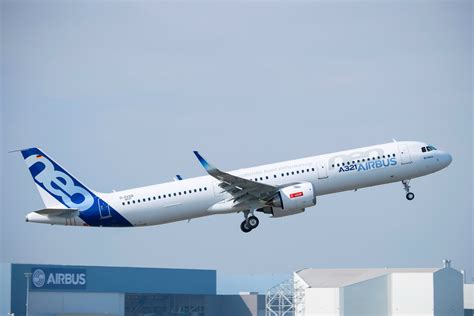
Airbus A321neo: ~544 mph (875 km/h) TAS
-
Boeing 737 MAX: ~523 mph (842 km/h) TAS
-
Boeing 787 Dreamliner: ~560 mph (901 km/h) TAS
-
Boeing 747-8: ~570 mph (917 km/h) TAS
-
Airbus A350: ~561 mph (903 km/h) TAS
These numbers are measured in still air. In reality, winds at cruising altitude (typically 30,000 to 40,000 feet) can add or subtract over 150 mph (240 km/h) to the aircraft’s actual speed over the ground.
The Role of Jet Streams in Speeding Up Aircraft
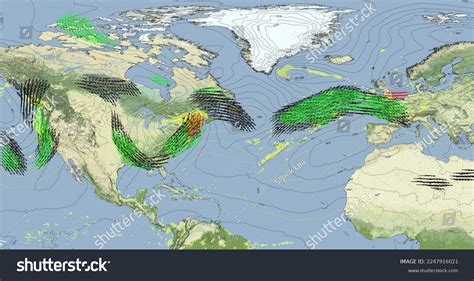
Jet streams, particularly the polar and subtropical jets, are fast-moving air currents in the upper atmosphere that flow from west to east. Aircraft heading east often experience significant tailwinds, which can boost their groundspeed to levels that surprise many passengers.
It is not uncommon for aircraft like the Boeing 787 or Airbus A350 to reach groundspeeds of 700–735 mph (1,126–1,183 km/h) when aided by these winds. These speeds do not imply that the aircraft is pushing its engines harder or flying faster in airspeed terms; they are simply moving faster relative to the ground thanks to the atmospheric push.
In 2020, a British Airways Boeing 747-400 flying from New York to London reached a record-breaking groundspeed of 825 mph (1,328 km/h)—nearly Mach 1.08—thanks to an unusually strong Atlantic jet stream. Despite that, the aircraft was still subsonic in terms of airspeed.
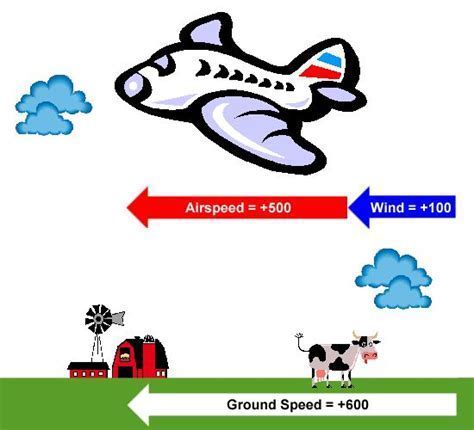
Airspeed vs Groundspeed: The Crucial Distinction
The confusion often arises from how flight tracking websites display speed. These platforms typically show groundspeed, which includes wind effects. For instance, if an aircraft cruises at 550 mph airspeed but gets a 150 mph tailwind, the groundspeed will read 700 mph.
Conversely, when flying westbound into headwinds, the same aircraft may only register 450–500 mph groundspeed. This disparity in directional travel explains why eastbound transatlantic flights are consistently faster than westbound ones—sometimes by over an hour.
Can Commercial Jets Break the Sound Barrier?
The sound barrier—or Mach 1—is approximately 767 mph (1,235 km/h) at sea level and drops slightly at cruising altitude due to lower air temperatures. While commercial aircraft do not approach this speed in airspeed terms, strong tailwinds can elevate their groundspeed past Mach 1.
However, this does not mean they are flying supersonically. True supersonic flight requires exceeding Mach 1 in relation to the air, which demands specialized design features like swept wings, reinforced airframes, and specific engine architecture. Current commercial jets are not built for such stress or fuel inefficiency.
Fuel Efficiency and Speed Limits
Modern airliners are engineered to fly at optimum cruise speeds—a delicate trade-off between time en route and fuel consumption. Flying faster increases fuel burn exponentially. Most airlines adhere to Cost Index policies, which determine how fast a plane should fly based on time-saving needs versus operating cost.
For example, if a flight is delayed and needs to make up time, the airline might instruct the pilot to increase speed. This often means increasing Mach number slightly (e.g., from Mach 0.78 to Mach 0.82), which increases fuel use but can recover minutes lost on the ground. In contrast, if there’s no urgency, the aircraft may cruise slower to conserve fuel.
Exceptional Scenarios: Record Groundspeeds
During specific times of the year—particularly late winter and early spring—jet streams strengthen, especially over the North Atlantic. This is when we see reports of commercial flights reaching groundspeeds over 750 mph. A Boeing 777 or 787 can regularly reach these figures without any engine modifications.
A user on Reddit reported a personal record of 750 mph groundspeed aboard a commercial airliner, citing a typical airspeed of 520 mph. Another anecdote recounts a Boston–Memphis flight that clocked 4 hours and 15 minutes westbound, with the return taking only 2 hours and 7 minutes—a testament to wind influence.
How Pilots and Airlines Navigate Wind Streams
Pilots and flight planners actively use meteorological data to chart routes that leverage tailwinds or avoid headwinds. Tools like Windy, NOAA forecasts, and air traffic control coordination allow aircraft to find optimal altitudes and headings for efficiency.
Aircraft may fly higher, lower, or shift laterally by hundreds of miles to find a more favorable wind corridor. Pilots also communicate with dispatchers throughout the flight to update speed, fuel flow, and predicted arrival times. These strategies are especially valuable in competitive markets or time-sensitive operations.
Eastbound vs Westbound: Why It Matters
In the Northern Hemisphere, most prevailing winds blow from west to east due to the Coriolis effect and pressure patterns. This means flights from North America to Europe or Asia benefit from tailwinds, while the return leg faces headwinds.
As a result:
-
Eastbound flights: Shorter, faster, more fuel-efficient
-
Westbound flights: Longer, slower, and costlier in fuel
Passengers often notice that their return flight duration is longer, even if departure and arrival times seem similar on the ticket. It’s not poor scheduling—it’s aerodynamics and meteorology in action.
Conclusion: Speed is Contextual in Aviation
So, how fast can commercial aircraft fly? The answer is complex. While their cruise speeds range from 500–575 mph in still air, tailwinds can push their groundspeeds well beyond 700 mph, even reaching Mach 1 over the ground. However, their airspeed remains safely subsonic.
Commercial jets are not limited by engine capability alone—they are constrained by economic efficiency, design parameters, regulatory limits, and passenger safety. While the speeds displayed on flight trackers can seem surprising, they are often a result of nature lending a helpful push.
Frequently Asked Questions (FAQ)
Can a commercial jet break the sound barrier?
No, commercial jets cannot break the sound barrier in airspeed. Their designs are optimized for subsonic speeds. While their groundspeed can exceed 767 mph with strong tailwinds, their airspeed remains well below Mach 1.
Why is my flight faster in one direction than the other?
This is due to prevailing winds, especially jet streams. Flights heading east benefit from tailwinds, while westbound flights face headwinds, making them longer.
What’s the fastest recorded speed of a commercial airliner?
A British Airways Boeing 747-400 reached a groundspeed of 825 mph (1,328 km/h) in 2020, aided by an exceptionally strong jet stream during a flight from New York to London.