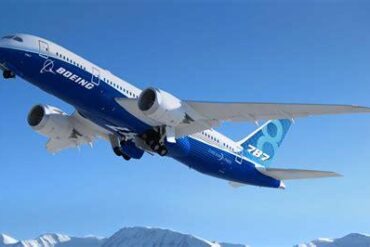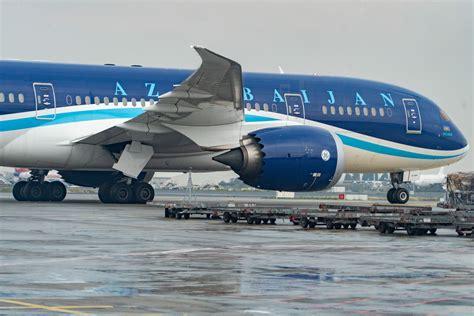
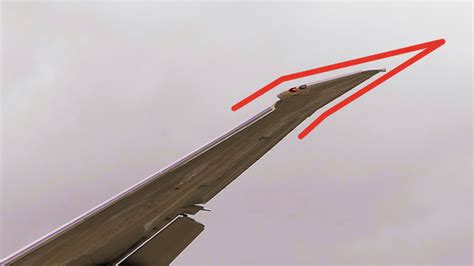
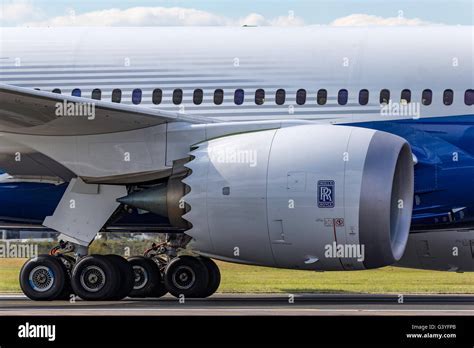
The Boeing 787 Dreamliner stands as one of the most advanced commercial airliners in service today. Since its maiden flight in December 2009 and entry into service in October 2011, this aircraft has reshaped long-haul air travel. With over 1,100 units built, the Dreamliner is easily identifiable by its raked wingtips, four-window cockpit, and chevron-edged engine nacelles that reduce noise.
With its blend of fuel efficiency, modern technology, and substantial speed, the Dreamliner is a symbol of 21st-century aviation. But exactly how fast can this iconic jet fly?
The Maximum Speed of Boeing 787 Dreamliner Variants
The Boeing 787 exists in three distinct variants:
- Boeing 787-8
- Boeing 787-9
- Boeing 787-10
Despite structural differences, all three share the same maximum speed profile. According to the European Aviation Safety Agency (EASA):
- Maximum Speed: Mach 0.90 (956 km/h or 516 knots)
- Typical Cruise Speed: Mach 0.85 (903 km/h or 488 knots)
This level of velocity places the Dreamliner among the fastest modern widebody airliners.
Variant Breakdown: Dimensions and Capacities
- 787-8: Shortest version at 186 ft 1 in, typically carries 248 passengers.
- 787-9: Measures 206 ft 1 in, with a capacity of 296 passengers.
- 787-10: Longest at 224 ft, seating up to 336 passengers.
Interestingly, while the 787-8 is the shortest and lightest, it doesn’t boast the longest range. The 787-9 dominates with a range of 7,565 nautical miles, while the 787-10 covers 6,330 nautical miles. This disparity is a result of design optimizations, not just size.
Why The Dreamliner Flies So Fast
The high cruising speeds of the Boeing 787 result from a combination of aerodynamic innovations and engine performance. Here are the primary reasons behind its speed:
Composite Airframe Construction
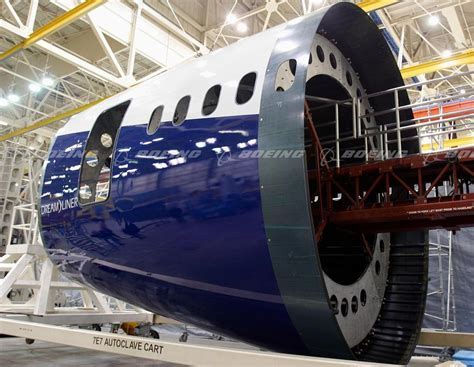
The 787 Dreamliner was the first airliner to utilize an airframe composed mostly of composite materials. This choice reduces structural weight significantly, allowing for better fuel efficiency and sustained high-speed flight without compromising structural integrity.
Aerodynamic Wing Design
All variants feature raked wingtips and a wingspan of 197 feet 3 inches. The wing’s structure, with an area of 4,058 square feet, provides superior lift-to-drag ratio, crucial for maintaining high cruising speeds. Moreover, the Hybrid Laminar Flow Control (HLFC) system installed on the 787-9 and 787-10 plays a significant role. HLFC utilizes a porous leading edge paired with internal fans to manage airflow, reducing drag and optimizing aerodynamic performance.
Boeing’s implementation of HLFC results in an estimated 5% reduction in fuel burn, indirectly enabling the aircraft to maintain high speeds efficiently over long distances.
Engine Technology Driving Speed
Two powerful engine options are available for all Dreamliner variants:
- General Electric GEnx-1B
- Rolls-Royce Trent 1000
These engines employ high-bypass turbofan technology, wherein a large proportion of air bypasses the combustion chamber. This design not only cuts fuel consumption but also delivers considerable thrust to sustain high speeds.
Each variant receives different thrust ratings:
- 787-8: 64,000 lbf
- 787-9: 71,000 lbf
- 787-10: 76,000 lbf
Despite some issues such as blade cracking with the Trent 1000 and icing problems in GEnx-1B, both engine types have collectively propelled the Dreamliner fleet to carry over one billion passengers globally.
Comparing Speeds With Other Airliners
While the Mach 0.90 top speed is impressive, how does it stack up against competitors?
- Boeing 777: Max speed Mach 0.89
- Airbus A350: Max speed Mach 0.89
- Boeing 747-8: Max speed Mach 0.92
Thus, the Dreamliner is one of the fastest widebody airliners, surpassed marginally by the Boeing 747-8.
Design Evolution: From Sonic Cruiser to 7E7
The pursuit of speed in the 787 can be traced to its predecessor project—the Sonic Cruiser. Initially designed to fly at nearly Mach 0.98, the Sonic Cruiser was shelved due to post-9/11 fuel price hikes. Boeing’s strategic pivot led to the 7E7 project, prioritizing efficiency over sheer velocity. However, the aircraft retained significant speed capabilities, integrating lessons from the Sonic Cruiser initiative.
The resulting Boeing 787 Dreamliner not only balanced speed and fuel economy but also supported a shift from the traditional hub-and-spoke model to more direct point-to-point routes, expanding operational flexibility.
Real-World Speed Performance
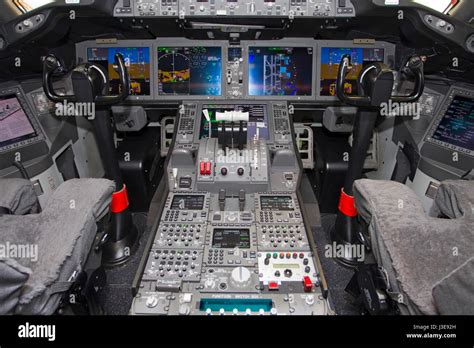
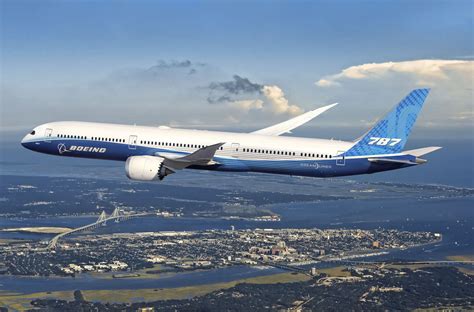
Pilots operating the Boeing 787 often cruise near its optimum speed of Mach 0.85, maintaining this over vast distances due to the efficient aerodynamics and powerplants. In favorable conditions such as jet streams, ground speeds often exceed 1,000 km/h (540 knots), though this doesn’t affect true airspeed.
What’s impressive is the consistency in speed performance across all three variants, despite their differing fuselage lengths and seating configurations. The 787-9, considered the most balanced variant, benefits most from the HLFC system, achieving longer ranges at sustained cruise speeds.
Why Speed Matters in Modern Aviation
While fuel efficiency dominates modern airline economics, speed remains crucial for several reasons:
- Passenger turnover: Faster flights mean higher aircraft utilization.
- Crew costs: Shorter flight durations reduce duty hours.
- Passenger experience: Shorter flight times improve satisfaction on long-haul routes.
The Boeing 787 Dreamliner encapsulates this synergy, offering substantial speed without sacrificing economy.
Conclusion: A Balanced Speed Champion
In the world of modern commercial aviation, the Boeing 787 Dreamliner stands as a masterpiece of balance. Flying at up to Mach 0.90, its speed is as much a product of thoughtful design as it is of cutting-edge materials and engine technology. More than 1,100 airframes testify to its global success, operating on over 425 new nonstop routes unlocked by its capabilities.
Ultimately, whether passengers fly aboard a 787-8, 787-9, or 787-10, they can expect not only a comfortable journey but also one executed at near top industry speeds — a testament to Boeing’s engineering excellence.