The Boeing 767 was never expected to become one of the longest-lasting commercial aircraft programs in aviation history. When it entered service in 1982, it was created as a practical middle child: larger than narrowbody jets like the Boeing 737, but smaller and more economical than the giant widebody aircraft dominating long-haul travel at the time. It was supposed to fill a specific market gap, not become a legend.
Yet more than four decades later, the Boeing 767 continues to survive, even as aircraft designed specifically to replace it have entered service. The Boeing 787 Dreamliner, Airbus A330neo, and Airbus A350 all brought newer technology, improved efficiency, and greater range. However, none managed to completely erase the role the 767 created.
The story of the 767 is not simply about an old aircraft refusing to disappear. It is about an unusually flexible design that adapted to changing aviation demands. While passenger airlines gradually moved toward newer jets, cargo operators and military customers discovered that the 767 still offered a combination of size, capability, and operating economics that remained difficult to match.
The Boeing 767 Was Built For A Market That Did Not Exist Before
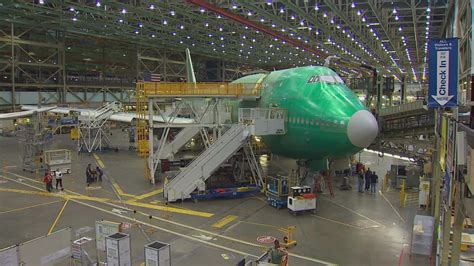
During the 1970s, Boeing faced a challenge between two very different commercial aircraft categories. The company’s Boeing 737 dominated shorter routes, while the massive Boeing 747 served international long-haul markets. Airlines, however, needed something between these extremes.
Carriers wanted an aircraft capable of flying transcontinental and medium-length international routes without the costs associated with larger widebody jets. The answer was a new generation of twin-engine aircraft that could carry more passengers than narrowbodies while offering better efficiency than four-engine widebodies.
Boeing’s early 7X7 program explored several concepts, including smaller versions and even a trijet design. Eventually, the company focused on the 767-200, a twin-engine widebody designed around efficiency and flexibility.
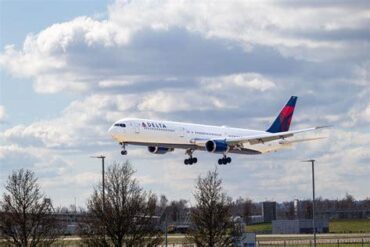
United Airlines became the launch customer in 1978 with an order for 30 aircraft, giving Boeing the confidence to move forward. American Airlines and Delta Air Lines soon joined the program, helping establish strong early demand.
When the first Boeing 767 entered commercial service in 1982, it represented a major shift in aviation philosophy. Airlines no longer needed the largest aircraft possible. Instead, they could operate smaller widebodies more frequently and serve routes that previously could not support larger jets.
A Family Of Variants That Kept The 767 Competitive
One of the biggest reasons behind the 767’s survival was Boeing’s decision to create a flexible aircraft family rather than a single model.
The original 767-200 was quickly followed by the 767-200ER, which introduced extended range capability. Boeing then developed the larger 767-300, along with the popular 767-300ER, which became the backbone of many airline fleets around the world.
The 767-300ER proved especially successful because it offered airlines an ideal balance. It had enough capacity for international routes, enough range for long-distance operations, and lower operating costs compared with larger widebody aircraft.
In 2000, Boeing introduced the final passenger version, the 767-400ER. Although it did not achieve the same commercial success as earlier variants, it demonstrated that the basic design still had room for improvement nearly two decades after its debut.
By 2024, Boeing had delivered more than 1,300 Boeing 767 aircraft, making it one of the company’s most successful commercial aircraft programs.
The aircraft’s longevity was not accidental. The 767 benefited from a simple but effective design philosophy: create an aircraft large enough to be useful but small enough to remain economical.
The Boeing 767 Survived Because Its Replacement Never Fully Replaced It
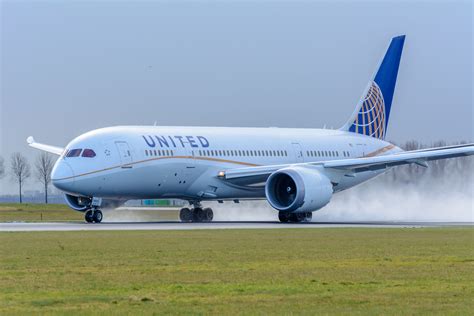
The arrival of the Boeing 787 Dreamliner was expected to mark the beginning of the end for the 767. Boeing designed the 787 as a modern successor, introducing advanced composite materials, improved aerodynamics, and significantly better fuel efficiency.
The Dreamliner offered airlines capabilities the 767 could not match. Its larger range allowed carriers to open new long-distance routes, while its lighter composite structure reduced fuel consumption.
The 787 family also covered a wider market range, with typical two-class seating capacities from around 248 to 336 passengers, compared with the 767’s smaller passenger capacity.
However, the 787 did not replace every role once served by the 767.
Many airlines did not need a larger aircraft. Some routes were better suited to the 767’s size, especially when demand was uncertain. Airport infrastructure, operating costs, and fleet commonality also influenced airline decisions.
The same pattern appeared with Airbus aircraft. The Airbus A330neo offered improved efficiency while maintaining the proven A330 platform, while the Airbus A350 introduced a completely new generation of long-range capability.
Both aircraft were technologically superior, but they targeted different segments. The 767’s unique position between narrowbody and large widebody aircraft remained valuable.
Cargo Airlines Turned The Boeing 767 Into A Second-Life Success Story
While passenger airlines slowly moved away from the 767, cargo operators discovered that the aircraft had another chapter ahead.
The transformation from passenger aircraft to freighter became one of the most important reasons the 767 survived. The aircraft’s size was almost perfectly suited for modern cargo networks.
Large cargo aircraft such as the Boeing 747 freighter offered enormous capacity but required higher operating costs. Smaller aircraft lacked the volume needed for many logistics operations. The 767 occupied the middle ground.
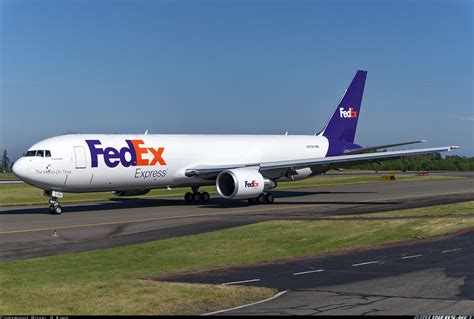
The Boeing 767-300F became especially valuable for companies such as FedEx Express and UPS Airlines. Its main deck cargo capacity, efficient twin-engine operation, and range made it ideal for package delivery networks.
The aircraft could carry approximately 115,700 pounds (52,480 kilograms) of payload while flying more than 3,200 nautical miles. For express cargo companies operating hundreds of daily flights, this balance was extremely attractive.
UPS, for example, operates the 767 alongside much larger aircraft such as the Boeing 747 and smaller narrowbody freighters. The 767 provides a practical middle option, avoiding the unnecessary cost of operating a larger aircraft on routes that do not require maximum capacity.
This cargo demand allowed Boeing to keep producing new 767s long after passenger production ended.
Why New Passenger Aircraft Could Not Kill The 767 Completely
The aviation industry often assumes that newer aircraft automatically replace older designs. The Boeing 767 proved that aircraft survival depends on more than technology.
A newer aircraft may offer better fuel efficiency, but airlines and operators consider many factors, including acquisition costs, maintenance networks, pilot training, airport compatibility, and mission requirements.
The 767 benefited from decades of global support infrastructure. Thousands of mechanics, spare parts suppliers, and operators already understood the aircraft.
For cargo operators, reliability often mattered as much as fuel efficiency. A proven aircraft with predictable maintenance costs could remain attractive even when newer alternatives existed.
This explains why the 767 continued operating in roles where newer passenger aircraft struggled to compete.
Environmental Regulations Finally Created The End Of New 767 Production
The Boeing 767’s eventual production decline was not caused by a lack of demand alone. Increasing environmental standards became a major factor.
International aviation regulations introduced stricter limits on aircraft emissions. New aircraft delivered after upcoming regulatory changes must meet increasingly demanding efficiency standards.
Although Boeing’s 767-300F freighter still had strong market demand, future regulations made continued production more complicated. The company ultimately planned to end production of the freighter variant after more than four decades.
The aircraft’s final commercial passenger delivery occurred years earlier, with Air Astana receiving what became the last passenger Boeing 767 built.
Since then, new 767 production has focused mainly on cargo and military applications.
The KC-46 Pegasus Keeps The Boeing 767 Legacy Alive
Even when passenger and freighter production eventually ends, the Boeing 767 will not disappear.
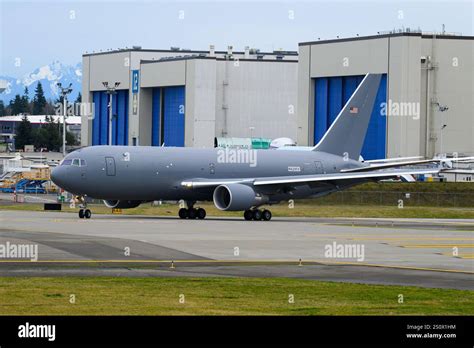
The aircraft continues through the Boeing 767-2C, the military version developed as the foundation for the KC-46A Pegasus aerial refueling tanker.
The United States Air Force selected the KC-46A to replace aging tanker aircraft, ensuring that Boeing’s 767 production line remained active.
This military connection could allow the basic 767 design to continue serving for decades. While commercial aviation may move toward newer platforms, defense requirements often prioritize reliability, availability, and proven performance.
The Boeing 767 Became An Aviation Survivor
Few aircraft have demonstrated the staying power of the Boeing 767. It entered service during the early days of modern widebody aviation and survived through multiple generations of technological change.
Aircraft like the Boeing 787, Airbus A330neo, and Airbus A350 all surpassed the 767 in specific areas. They fly farther, consume less fuel, and introduce advanced technologies that the original 767 design could never match.
But aviation is not only about having the newest technology. It is about finding the right aircraft for the right mission.
The Boeing 767 succeeded because it was never limited to one purpose. It carried passengers, transported cargo, and became a military platform. Each new role extended its life.
More than 40 years after its first flight, the 767 remains a reminder that a well-designed aircraft does not simply disappear when something newer arrives. Sometimes, the aircraft that was expected to retire quietly becomes the one that refuses to leave.