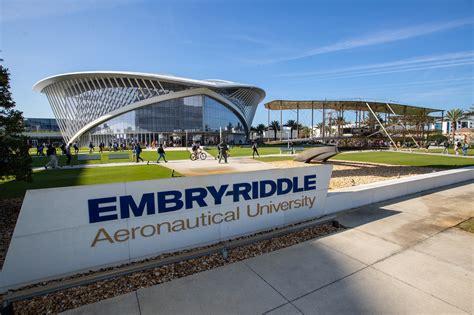
When aspiring pilots weigh their collegiate options, Embry-Riddle Aeronautical University (ERAU) often emerges as a premium brand name in aviation. Yet, its price tag—often two to three times that of Purdue University—leaves many families questioning: Is ERAU truly worth the investment? Drawing from extensive community feedback, including students, instructors, airline professionals, and parents, we explore the financial, educational, and professional implications of choosing between these two institutions.
The Cost Disparity: An Aviation Degree at a Premium
Tuition at ERAU ranges around $1,500 to $1,840 per credit hour, placing the cost of a four-year degree at approximately $220,000—on par with medical school. Purdue’s in-state tuition, by comparison, is dramatically lower, making ERAU’s premium a point of deep scrutiny.
While ERAU graduates acknowledge the value of the friendships and networks they formed, many assert that, in hindsight, the return on investment simply doesn’t justify the cost. Several contributors—including ERAU alumni who later transferred—say they would never recommend ERAU to an uninformed student without a compelling, specific reason.
What the Airlines Actually Care About
A recurring theme among seasoned pilots and instructors is that airlines prioritize FAA ratings, total flight hours, and safety records—not the name on the diploma. Recruiters in the aviation industry confirm that as long as candidates meet time and certification requirements, the degree’s institution is largely irrelevant.
From small regional operators to major legacy carriers, hiring managers consistently emphasize that experience, skill, and attitude outweigh pedigree. One industry recruiter plainly stated: “We don’t care where you went to school. Just have the flight time and the certificates.”
The Embry-Riddle Culture: Intensity at a Cost
ERAU draws deeply committed aviation enthusiasts, sometimes described as “aviation psychos.” This dedication cultivates a high-performance culture where students hit ATP minimums in record time and secure cadet program slots before graduation. However, it comes at a cost—not just financially, but psychologically. Imposter syndrome is common, and competition is intense.
Many ERAU students describe a transactional environment. You must aggressively self-advocate to schedule flights, chase down instructors, and navigate a flight department that often feels overcrowded. One commenter put it bluntly: “You do more talking and paperwork about flying than actual flying.”
Purdue’s Balanced, Comprehensive Approach
Purdue University stands out as a well-rounded institution that allows students to explore aviation without sacrificing a broader college experience. Its engineering pedigree, Big Ten athletics, and diverse campus life offer a dynamic backdrop. Unlike ERAU’s specialized intensity, Purdue students enjoy freedom to double-major, take non-aviation electives, or simply be college students.
Beyond its flight school, Purdue is known for launching astronauts, engineers, and pilots, earning it a reputation of prestige without the exorbitant cost. One commenter highlighted that Purdue has produced 28 astronauts, compared to ERAU’s 9.
The Flight Training Itself: Dollars and Outcomes
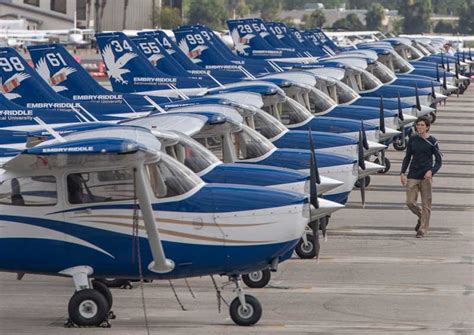
Flight training at both schools follows Part 141 regulations, but the environment differs. ERAU’s pay-as-you-go model is fairly standard—around $80/hour for instruction and $200/hour for aircraft rental. However, with 1,600+ students flying at Daytona Beach alone, scheduling and instructor availability can become bottlenecks.
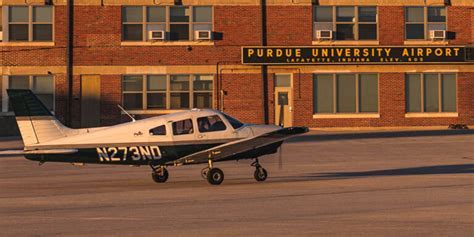
By contrast, Purdue offers a smaller, more personalized flight department. Students and alumni praise the individual attention they receive, citing instructors who genuinely care about mentorship. The consensus is that Purdue balances flight progression with quality of life, something often missing in ERAU’s industrial-scale approach.
The Myth of the ERAU Advantage
A persistent belief exists that an ERAU diploma opens doors, particularly for airline interviews or fast-tracking through United Aviate or other cadet programs. While some benefits exist—ERAU students historically needed only a Private Pilot License (PPL) to enter Aviate versus CFI for others—most agree that these advantages are neither exclusive nor essential.
More importantly, commenters repeatedly stress that once a pilot reaches 1,500 hours, all applicants—ERAU or not—are treated equally. One pilot with over 30 years of experience said, “ERAU, Purdue, Liberty, or the guy who trained at a Part 61 mom-and-pop school… they all sit next to each other at interviews.”
Real-World Preparedness and Backup Plans
Veteran aviators caution against placing all bets on flying. Medical disqualifications, economic downturns, or personal life changes can derail an aviation career in an instant. In such scenarios, a non-aviation degree from a respected university becomes vital.
Purdue offers the flexibility to pursue business, engineering, or other professional majors, providing a legitimate Plan B. ERAU, by contrast, often delivers degrees that are narrowly focused and harder to repurpose.
Cultural Fit and Student Life
Beyond academics and training, college is also about community. Purdue boasts diverse clubs, events, and sports culture, offering students a chance to grow socially and intellectually beyond the cockpit. In contrast, ERAU’s 80-20 male-to-female ratio, aviation-centric culture, and limited scope leave many students feeling isolated or pigeonholed.
One commenter humorously noted that ERAU made even the nerdiest STEM school look co-ed. Another called the school’s atmosphere “Civil Air Patrol cosplay,” referring to its image-heavy, function-light environment. These cultural quirks may not deter every student—but for many, they dilute the college experience.
Alternative Paths: Save Money, Reach the Same Sky
Countless contributors advocate for an alternative model: attend a state school, pursue a business or engineering degree, and complete flight training at a local Part 61 or Part 141 school. This route saves tens—or even hundreds—of thousands of dollars without sacrificing end goals.
Students can reach CFI-level certification for under $60,000 and accumulate hours while in college. Some even attend community colleges to begin training and transfer later to complete a bachelor’s degree. This approach yields the same ATP-eligible flight hours, builds resilience, and teaches flexibility—valuable traits in aviation and life.
Verdict: Purdue Offers Value, ERAU Offers a Brand
ERAU is undeniably a respected name in aviation. For the highly driven student who thrives in hyper-focused environments and is set on maximizing airline cadet program opportunities, it might make sense. But for the majority of aspiring pilots—and their families balancing budgets and expectations—ERAU’s tuition is a luxury, not a necessity.
Purdue, by contrast, delivers a robust, respected, and flexible education. It is affordable, well-rounded, and industry-validated. Graduates emerge not just as pilots, but as well-prepared professionals with options beyond the flight deck.
In a field where performance, not pedigree, determines success, choosing a cost-effective path with the same certifications and greater personal growth is not just wise—it’s strategic. And by saving the $150,000 difference in tuition and investing it, students could literally earn a million-dollar advantage over their lifetimes. When it comes to launching a career in aviation, the sky is the limit—but how much you spend to get there is your choice.