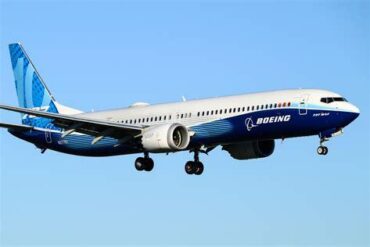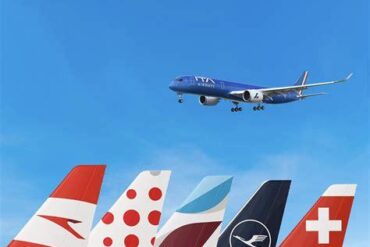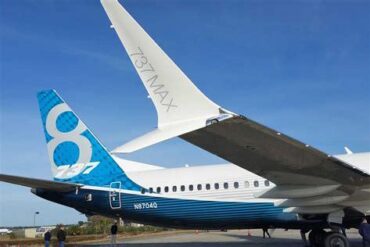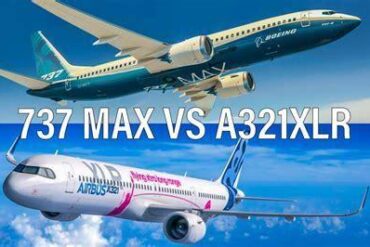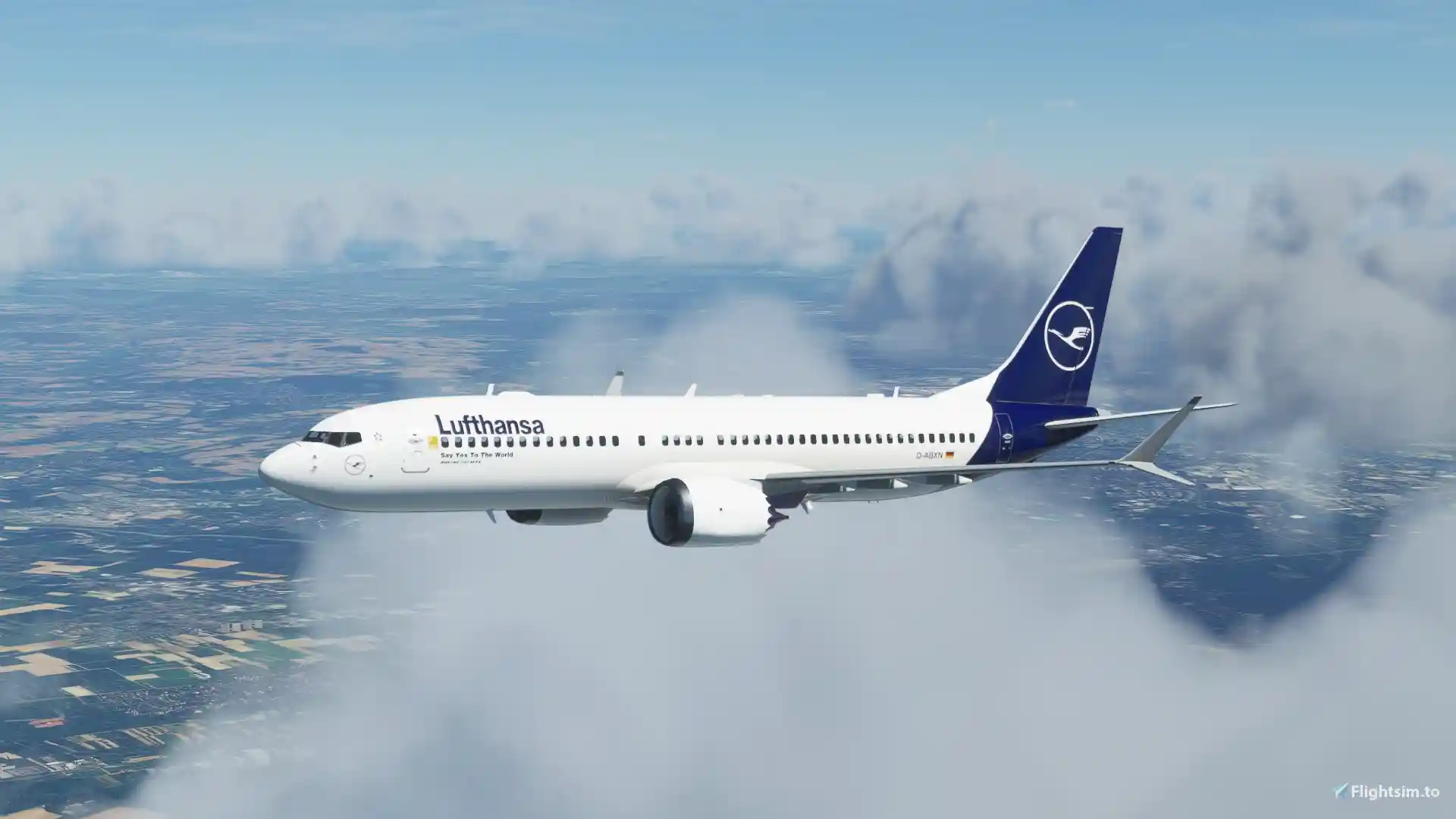
Lufthansa Group is expanding its long-term Boeing narrowbody strategy by converting options for 20 Boeing 737 MAX 10 aircraft into firm orders. The group’s supervisory board approved the transaction on Thursday, increasing its total firm commitment to the 737 MAX family to 60 aircraft. Deliveries of the newly ordered MAX 10s are planned to begin in the early 2030s, giving the group another important tool for replacing aging aircraft and adding capacity across its short- and medium-haul network.
The new commitment comes from an agreement Lufthansa Group reached with Boeing in 2023. That deal originally included 40 firm orders for the 737 MAX 8 alongside 60 purchase options for additional aircraft from the MAX family. Lufthansa has now exercised the first 20 options, while retaining 40 options that could be converted into further firm orders later. The structure provides the airline group with considerable flexibility as it evaluates future traffic growth, aircraft retirements, and fleet requirements.
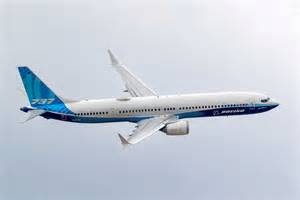
Boeing 737 MAX 10 Adds More Capacity
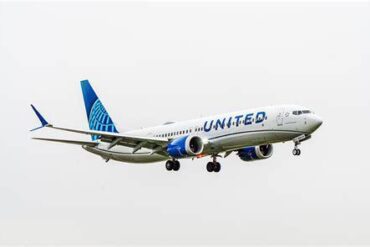
The 737 MAX 10 is the largest member of Boeing’s 737 MAX family, offering more seating capacity than the MAX 8 already ordered by Lufthansa Group. This makes the aircraft particularly relevant for routes where passenger demand is strong enough to justify additional seats but does not necessarily require a larger widebody or higher-capacity aircraft.
Lufthansa Group said the MAX 10s will gradually replace older Airbus A320 family aircraft across its airlines. The decision does not signal a broader shift away from Airbus. Lufthansa Group operates a substantial Airbus narrowbody fleet and continues to place Airbus orders, meaning the Boeing aircraft form part of a mixed fleet strategy. Instead, the additional MAX aircraft give the group another option for matching aircraft size with demand across different European markets.
The financial scale of the latest commitment is also substantial. The 20 aircraft have a combined list price of approximately $3.4 billion, although the actual commercial value of an airline aircraft order can differ considerably from published list prices because manufacturers and airlines negotiate individual transaction terms. Lufthansa Group has not disclosed the final commercial conditions of the agreement.
Fuel Efficiency Supports Lufthansa Fleet Renewal
Fuel efficiency is central to Lufthansa Group’s decision to expand its future MAX fleet. According to the group, the 737 MAX 10 is expected to consume around 30% less fuel than the older aircraft it is intended to replace. Its larger seating capacity is also expected to lower unit costs by approximately 20%.
Those improvements could be particularly important across European operations, where airlines frequently operate high-frequency services and must balance schedule convenience with aircraft utilization and seat demand. A larger narrowbody can add capacity without requiring a move into a significantly larger aircraft category, allowing Lufthansa Group to adjust its network while maintaining operational flexibility.
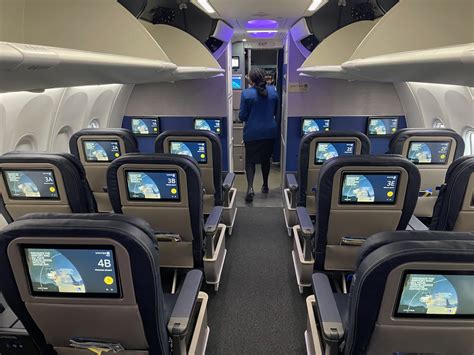
Lufthansa Group Plans More Than 250 New Aircraft
The MAX 10 order forms part of a much larger fleet modernization program. Lufthansa Group expects to receive more than 250 new aircraft by 2035, covering both narrowbody and long-haul operations. The company has been renewing its fleet through a combination of Airbus and Boeing aircraft rather than concentrating its future requirements with one manufacturer.
In May, Lufthansa Group also approved orders for 10 Airbus A350-900s and 10 Boeing 787-9s, with those widebody deliveries scheduled between 2032 and 2034. Together with the MAX commitments, those purchases demonstrate the scale of the group’s planned fleet transformation over the next decade.
The long delivery timeline for the MAX 10s also gives Lufthansa Group time to coordinate aircraft retirements, network development, and future fleet assignments. The group has previously indicated that the 737 MAX aircraft ordered in 2023 will be deployed within its operations, although the specific airline receiving each aircraft will be determined later. The same flexibility is likely to apply to the newly ordered MAX 10s.
40 Additional Boeing 737 MAX Options Remain
Lufthansa Group has exercised only one-third of its original 60 purchase options, leaving another 40 options available. That gives the group room to expand its Boeing narrowbody commitment if passenger demand, fleet replacement requirements, or network growth justify additional aircraft.
For Boeing, the transaction strengthens its relationship with one of Europe’s largest airline groups while adding 20 aircraft to its future MAX backlog. For Lufthansa Group, meanwhile, the order secures additional high-capacity narrowbody aircraft for the early 2030s without committing immediately to all of its remaining options. The next major question will be how those aircraft are distributed among the group’s airlines as delivery dates approach.