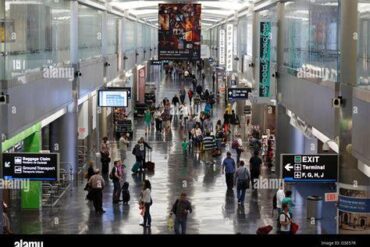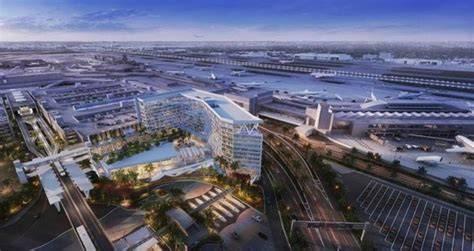
Miami International Airport (MIA) is taking a proactive approach to future expansion by purchasing surrounding properties before available land disappears. Facing rising passenger numbers, growing cargo demand, and increasing development pressure around its existing footprint, the airport is building a long-term land reserve to support future aviation needs.
The land acquisition strategy reflects a major shift in how large international airports prepare for growth. Instead of waiting until additional terminals, cargo facilities, or infrastructure become urgently needed, Miami-Dade County is securing nearby parcels now to maintain flexibility for future projects.
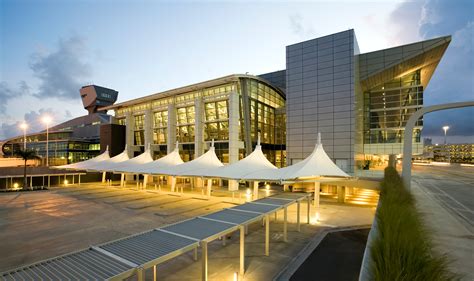
Miami Airport Begins Strategic Land Purchases Around Limited Expansion Area
Miami International Airport operates in one of the most challenging environments for future expansion among major US aviation hubs. Unlike airports with large areas of undeveloped land surrounding their runways and terminals, MIA is surrounded by established commercial, industrial, and residential developments.
This geographic reality makes every available property increasingly valuable. Airport officials recognize that delaying acquisitions could leave the airport with fewer options and significantly higher costs when future expansion becomes necessary.
According to reports from Miami Today, Miami-Dade County is pursuing multiple property purchases near the airport, including a warehouse site and adjacent land west of the airport campus valued at approximately $19.1 million. While these properties are not immediately scheduled for construction, they provide additional space for future aviation-related development.
The approach gives airport planners greater control over future growth. By purchasing land before demand reaches critical levels, MIA can avoid the challenges faced by many older airports that have limited room to expand because surrounding communities have already developed.
Record Passenger Growth Creates Pressure for More Airport Capacity
The land-buying initiative comes as Miami International Airport continues experiencing significant growth. In 2024, MIA handled approximately 56 million passengers, representing a seven percent increase over its previous annual record.
The airport’s growth reflects South Florida’s expanding economy, population increases, tourism strength, and growing importance as an international business gateway. Miami’s role as a connection point between North America, Latin America, and the Caribbean continues to drive demand for additional passenger and cargo capacity.
The airport is also preparing for major increases in travel activity associated with global events. Hosting large international events, including matches connected to the 2026 FIFA World Cup, has highlighted the importance of having sufficient airport infrastructure to manage temporary surges while maintaining normal operations.
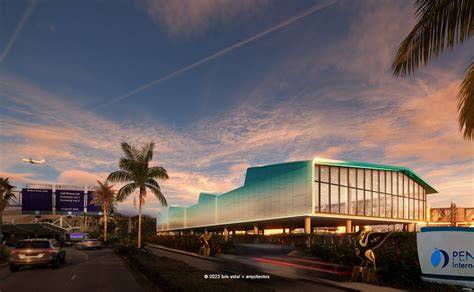
Beyond passenger traffic, cargo remains one of MIA’s strongest growth sectors. The airport is one of the busiest cargo gateways in the United States and plays a critical role in trade between the US and Latin America.
In 2024, Miami International Airport ranked fourth among US airports for landed cargo weight, behind major freight hubs such as Anchorage International Airport, Memphis International Airport, and Louisville Muhammad Ali International Airport. Maintaining room for future logistics facilities is therefore a key part of the airport’s expansion strategy.
MIA Future-Ready Program Supports Long-Term Modernization
The property acquisitions are part of a broader modernization effort known as the MIA Future-Ready program. The initiative includes billions of dollars in infrastructure improvements designed to prepare the airport for decades of continued growth.
Major improvements include terminal upgrades, additional gate capacity, enhanced baggage systems, roadway improvements, and expanded cargo infrastructure. However, airport officials understand that new facilities alone cannot solve future capacity challenges without sufficient land.
Airport development requires years of planning, environmental reviews, engineering studies, funding approvals, and construction. Securing property early allows planners to focus on future needs without being restricted by neighboring development.
The strategy also protects the airport from one of the biggest challenges facing mature aviation hubs: limited expansion opportunities. As cities grow around airports, purchasing additional land becomes increasingly complicated due to higher property values, ownership challenges, and community impacts.
Preserving Expansion Options Before Space Runs Out
Miami International Airport’s land acquisition strategy represents a long-term vision focused on flexibility rather than immediate construction. The newly acquired properties may not transform airport operations today, but they could become essential assets decades from now.
Many global airports have struggled with expansion because surrounding land became unavailable before future demand was properly anticipated. By acting early, MIA aims to avoid similar limitations and preserve opportunities for future terminals, cargo facilities, maintenance areas, or supporting aviation infrastructure.
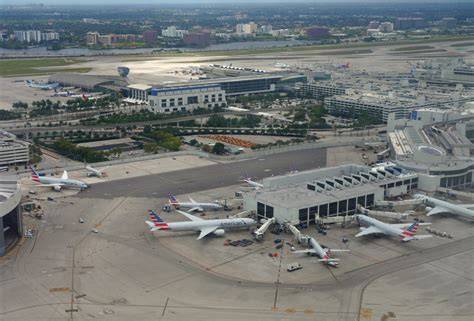
The airport’s leadership believes securing land today is an investment in future competitiveness. As passenger volumes increase and global freight networks continue evolving, having additional space could determine how effectively MIA adapts to changing aviation demands.
Miami’s position as a major international gateway means continued growth is expected. Airlines, cargo operators, and passengers will require more capacity, and the airport’s ability to respond will depend on decisions made years in advance.
Miami International Airport Plans Ahead for Decades of Aviation Growth
The latest property acquisitions demonstrate that airport expansion is no longer only about building bigger terminals or adding more gates. For land-constrained airports like Miami International, successful growth depends on protecting development opportunities before they disappear.
By purchasing strategically located properties now, Miami-Dade County is creating a foundation for future expansion while avoiding the constraints that have affected many major airports around the world.
As passenger traffic, international connections, and cargo operations continue increasing, Miami International Airport is positioning itself to remain a leading aviation hub. The land-buying effort may not create immediate changes for travelers, but it represents a crucial investment in the airport’s ability to handle the demands of the future.