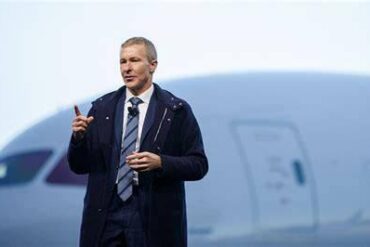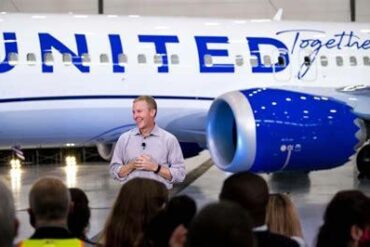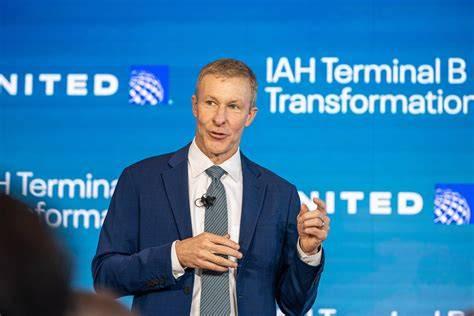
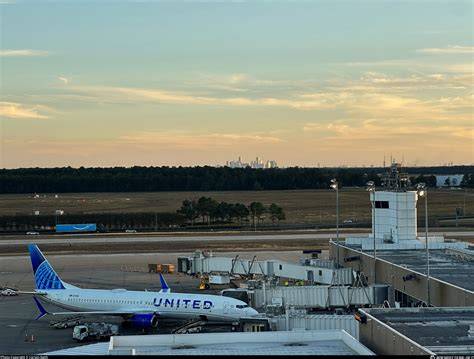
Scott Kirby does not talk about United Airlines the way most chief executives talk about their companies. He talks about it the way city planners talk about landmarks, the way citizens talk about their hometown heroes. In an exclusive interview with The Dallas Morning News, conducted at United’s new Terminal B at George Bush Intercontinental Airport in Houston, Kirby made clear that his ambition stretches far beyond beating Delta Air Lines and American Airlines on quarterly earnings. He wants United to become the carrier that Americans feel genuine pride in, the way residents of Dubai look at Emirates and residents of Singapore look at Singapore Airlines.
The comparison is deliberate and revealing. Kirby is not chasing market share for its own sake; he is chasing cultural permanence, a brand that citizens identify with and defend. “I like to be the best at everything,” he told reporter Jordan Parker. “If you go to Dubai, people that live in Dubai are proud of Emirates. If you go to Singapore, people who live in Singapore are proud of Singapore. I’d like to create a brand in the United States that Americans broadly feel that way about.”
That statement carries a quiet indictment of the American legacy airline landscape. Kirby sees no natural reason why the United States, the world’s largest aviation market, should lack the kind of flagship carrier that Dubai and Singapore have produced. He believes United already stands as the best airline in the world “in totality,” yet he frames even that achievement as a starting point rather than a summit, describing his goal as becoming the best airline in the history of aviation.
Why Kirby Benchmarks United Against Emirates and Singapore Airlines
Kirby’s decision to look toward Asia and the Middle East rather than across the aisle at rivals reflects a belief that American carriers have settled for good enough. Emirates has built a global identity around long-haul luxury, a modern Dubai hub, and an award-winning premium cabin. Singapore Airlines has earned a reputation for meticulous service standards, a celebrated first-class suite, and a Singapore hub that connects the world with quiet precision. Both carriers became symbols of national ambition, and Kirby questions why United cannot occupy the same emotional territory.
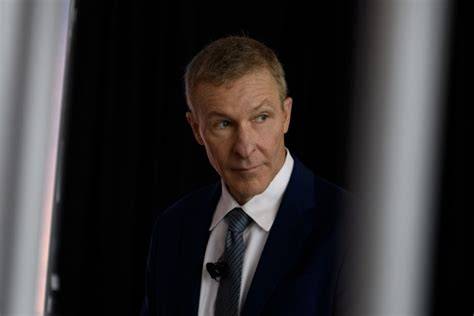
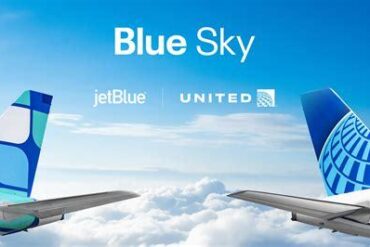
Running United Airlines requires more than prestige; it requires structural advantages that no American carrier currently holds in full. Kirby is candid about the gaps. United has no presence at John F. Kennedy International Airport, a glaring omission for a carrier that aspires to national flagship status. A partnership with JetBlue Airways, set to begin next year, will soften that absence but will not fully solve it. On the other side of the hemisphere, United remains weak in South America, a region where American Airlines dominates through its Miami International Airport gateway. Kirby does not pretend a rapid solution exists, but he frames a stronger southern network as an essential additional option for travelers heading south from the United States.
The Hub Network That Underpins United’s Ambition
United’s operational strength rests on a clustered set of hubs that, according to aviation data and analytics firm Cirium, handle enormous volume. Across its five busiest gateways, almost 1.9 million flights have been scheduled this year. Chicago O’Hare International Airport leads with 250,306 flights, followed by Denver International Airport at 194,200, George Bush Intercontinental Airport at 176,734, Newark Liberty International at 141,087, and San Francisco International at 104,442. That network gives United reach and resilience, yet Kirby knows a hub map alone cannot manufacture the brand devotion he is after.
The American Merger That Never Happened
An unlikely route to flag carrier status emerged earlier this year when Kirby floated a merger with American Airlines, a combination that would have controlled roughly 40 percent of the United States aviation industry’s market share. American rejected the idea publicly, arguing that the deal would harm competition for American consumers. Kirby says the two companies had been in conversations and that American was skeptical but had not refused to explore the concept. He told The Dallas Morning News that he was disappointed and surprised by American’s public statement, while American has disputed his account. Whatever the truth, the window has closed, and Kirby has pivoted toward a back-to-basics strategy focused on improving profit margins and revenues, a discipline that will matter as the industry navigates the ongoing crisis in the Middle East.
The core of Kirby’s message is that ambition alone will not elevate United. Becoming America’s Emirates or Singapore Airlines demands a premium service culture, a stronger international footprint, and the financial cushion to sustain both through disruption. Kirby has named the target; the work of convincing Americans to feel proud of the brand remains the airline’s most demanding open task.