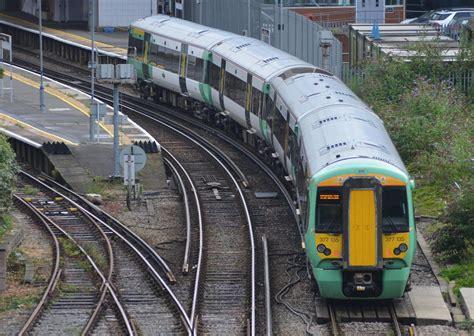
Yesterday evening, Sussex travelers faced an overwhelming wave of disruptions as a series of incidents across the Southern Rail network led to significant delays and cancellations. Passengers encountered a chaotic environment characterized by technical malfunctions, animal-related obstructions, and critical point failures that severely impacted their journeys. The situation was dire enough for Southern Rail to issue a “do not travel” advisory, urging passengers to avoid the affected areas whenever possible. This comprehensive overview will delve into the various factors that contributed to the disruption, its impact on services, and what passengers can expect moving forward.
One of the most pressing issues was a major signal fault at Wivelsfield station, which caused extensive delays for those traveling toward Haywards Heath. The malfunction forced train drivers to rely on manual guidance past signals, complicating the already precarious situation. Commuters found themselves in limbo, unsure of their travel times, while many experienced prolonged waits that added to their frustration.
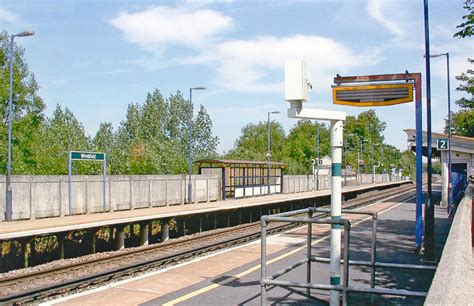
In an unusual turn of events, sheep on the tracks at Southease, near Lewes, further exacerbated the delays. While such animal-related incidents are rare, this unexpected obstruction led to significant disruptions for passengers traveling between Lewes and Seaford. Southern Rail acted swiftly to remove the animals and clear the tracks, but the ripple effects of this incident continued to accumulate, contributing to widespread delays in the surrounding areas.
The situation worsened with a critical points failure at Havant station. Points failure occurs when the mechanical switches that guide trains onto the correct tracks malfunction. This serious issue halted services entirely between several key locations, leaving many passengers stranded and scrambling to adjust their travel plans. Southern Rail’s update regarding the situation indicated that no trains could run between certain destinations, highlighting the severity of the disruptions.
In addition to these incidents, Southern Rail announced that services between Bognor Regis and Barnham would be suspended until further notice. Passengers relying on this route found themselves without direct connections, which only added to the chaos. Furthermore, regular services connecting Brighton with Portsmouth & Southsea were forced to terminate prematurely at Chichester, requiring travelers to make their way to Chichester for onward connections to Portsmouth. This unanticipated change significantly extended journey times, leaving many commuters frustrated and inconvenienced.
The disruption also reverberated through services between Brighton and Southampton Central. To mitigate the impact, Southern Rail implemented a shuttle service running once an hour between Havant and Chichester, but even this solution came with warnings of significant delays. Compounding the issue were delays in train crew arrivals at Worthing, further hindering operations. Additionally, trains on routes west of Worthing toward Barnham and Bognor Regis faced heavy delays, as the line remained blocked for an extended period. Commuters were urged to consider alternative travel routes, and Southern Rail advised against traveling between Brighton, Haywards Heath, and Three Bridges due to ongoing disruptions.
Frustration among passengers reached a boiling point as many expressed their dissatisfaction with the situation. One commuter traveling on the 5:43 PM service to Southampton, diverted to Portsmouth Harbour, voiced their concerns over the potential hours-long delay. The initial announcement from the train guard about the possibility of prolonged disruptions created panic among travelers. However, passengers also recognized the efforts of Southern Rail staff to resolve the issues and ensure safe travel, even amid the confusion and uncertainty that prevailed during the evening.
In light of the disruption, Southern Rail took steps to alleviate passenger distress by introducing an alternate ticket acceptance policy. This initiative allowed passengers to utilize tickets on services provided by other rail operators, including Great Northern, Thameslink, and Southern Rail itself, along reasonable routes to their destinations. Moreover, the acceptance extended to London Underground and London Overground services, providing additional options for those affected. For passengers in the Sussex region, Southern Rail also permitted the use of tickets on buses operated by Stagecoach, which offered service between key locations such as Littlehampton, Bognor Regis, Chichester, Havant, and Portsmouth. This measure aimed to relieve some of the burdens faced by stranded travelers and facilitate their journeys.
Despite these efforts, Southern Rail cautioned that the disruptions were likely to persist throughout the evening, with normal services only expected to resume late at night. Passengers heading to Brighton were advised to plan alternative routes via Lewes or Horsham, which would inevitably add at least an hour to their journey times. Additionally, services to and from Southampton were temporarily halted, leaving travelers with no immediate solutions in sight.
As the evening progressed, Southern Rail continued to issue updates regarding the affected services. Trains between London Victoria and Portsmouth Harbour faced delays due to a points failure between Chichester and Portsmouth Harbour. Although this issue was resolved around 9:20 PM, Southern Rail still urged passengers to double-check their journey plans, remaining prepared for further changes. The final update came just before 9:45 PM, confirming that the disruptions had ended and that trains were running normally once again. However, the aftermath left many passengers severely delayed or forced to seek alternate routes to reach their destinations.
As is customary during significant delays, Southern Rail confirmed that passengers who experienced delays of 15 minutes or more due to these incidents could be eligible for the company’s “delay repay” compensation scheme. Affected travelers are encouraged to submit claims for compensation based on the time lost during their journey, offering some relief for the inconvenience they endured.
In conclusion, the severe disruptions experienced in Sussex yesterday evening served as a stark reminder of the complexities involved in maintaining smooth rail operations. With various incidents leading to extensive delays and cancellations, Southern Rail’s advisory to avoid traveling and explore alternative transportation methods was a prudent decision considering the scale of the disturbances. While the immediate chaos may have subsided, the events of June 18 serve as a testament to the challenges faced by rail networks and the necessity for efficient contingency measures to support passengers in times of crisis.