The Boeing 787 Dreamliner changed long-haul aviation by redefining what airlines could achieve with efficiency, range, and passenger comfort. From the moment it entered service, the aircraft introduced a new philosophy: fly farther with fewer passengers while delivering a premium experience that rivaled larger widebodies. While attention often gravitates toward the stretched 787-9 and 787-10, the smallest member of the family, the Boeing 787-8, quietly became one of the most strategically valuable aircraft in modern airline fleets.
This compact Dreamliner was designed for a specific mission profile. It allows airlines to open or sustain long, thin routes that lack the passenger demand for larger widebodies but still require intercontinental reach. For network planners, the 787-8 provides the rare ability to combine widebody comfort, long range, and lower operating costs in a single platform, making it indispensable for secondary markets and developing international routes.
The story of which airlines operate the smallest Boeing 787 Dreamliner variant is also a story of how global aviation has evolved. From Asia-Pacific giants to Middle Eastern network carriers and African growth airlines, the 787-8 has become a cornerstone of fleet modernization strategies worldwide.
The Vision Behind the Boeing 787-8 Dreamliner
Boeing launched the Dreamliner program in 2004 with a bold objective: replace aging mid-size widebody aircraft such as the Boeing 767 and Airbus A330 with a jet that could fly farther while burning significantly less fuel. Development challenges delayed the program, but when the 787 finally entered commercial service in 2011 with All Nippon Airways, it marked a turning point in commercial aviation.
The 787 family was built around a common technological core. Approximately 50% of the airframe is made from composite materials, reducing weight while improving structural durability. Advanced aerodynamics, fly-by-wire controls, and next-generation engines further enhanced efficiency. From the outset, Boeing planned multiple variants, ensuring airlines could scale capacity without sacrificing cockpit commonality or operational flexibility.
Within this family, the 787-8 emerged as the original and smallest variant. Rather than focusing on maximum seating, Boeing optimized it for range and efficiency, allowing airlines to profitably serve routes that were previously impossible or financially risky.
Why the Boeing 787-8 Remains Strategically Important
The smallest Dreamliner typically seats 210 to 250 passengers, depending on airline configuration. This modest capacity is precisely what makes it so powerful. Airlines can deploy the 787-8 on routes where demand is steady but not large enough to justify a bigger widebody, avoiding the risks of overcapacity and low load factors.
With a range of approximately 7,300 nautical miles, the aircraft can connect distant city pairs across continents without refueling stops. This capability has reshaped global route maps, enabling nonstop flights between secondary cities that once required connections through major hubs.
Operationally, the 787-8 benefits from a lower maximum takeoff weight compared to its larger siblings, translating into reduced fuel burn on long sectors. Combined with highly efficient Rolls-Royce Trent 1000 or GE GEnx-1B engines, the aircraft delivers substantial cost savings while maintaining strong climb performance and reliability.
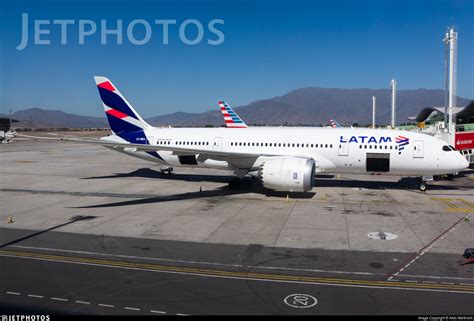
Leading Airlines Operating the Boeing 787-8
The global appeal of the Boeing 787-8 is reflected in its diverse operator base. Airlines across every major region rely on the smallest Dreamliner to support long-haul growth and fleet renewal.
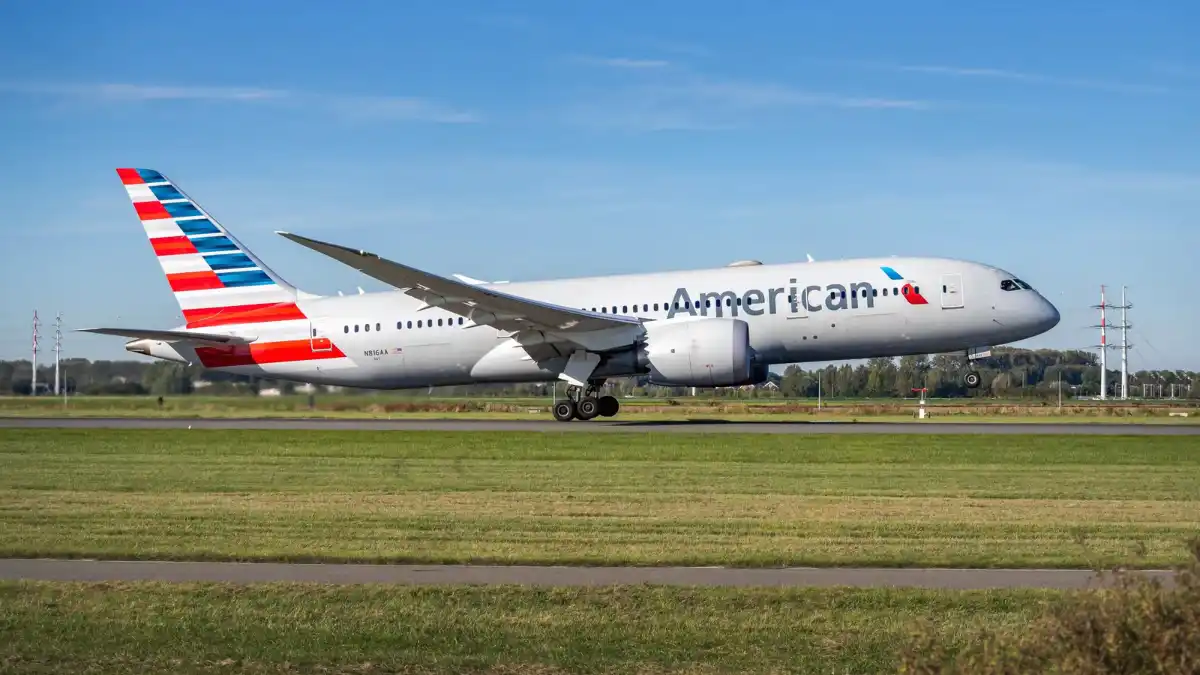
American Airlines stands as the largest single operator of the 787-8. The aircraft plays a critical role in connecting US hubs with secondary long-haul destinations in Europe, South America, and Asia. Its flexibility allows American to adjust capacity seasonally while maintaining year-round international service.
All Nippon Airways, the Dreamliner’s launch customer, continues to use the 787-8 extensively across its international and high-density domestic routes. For ANA, the aircraft bridges the gap between narrowbody efficiency and widebody comfort, particularly on medium- to long-haul Asian routes.
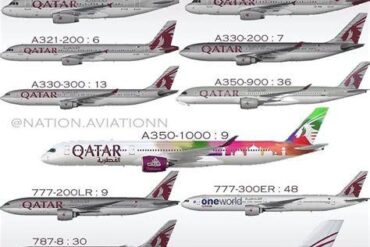
In the Middle East, Qatar Airways operates one of the world’s largest 787-8 fleets. The aircraft integrates seamlessly into Doha’s hub-and-spoke network, linking Europe, Africa, and Asia with right-sized capacity. The airline values the 787-8 for its premium cabin flexibility and range, especially on routes where demand fluctuates.
Japan Airlines and Ethiopian Airlines highlight the aircraft’s versatility in very different markets. JAL uses the 787-8 on both regional Japanese routes and international services, while Ethiopian deploys it as a backbone of its Africa-centered long-haul network, connecting Addis Ababa with cities across Europe, Asia, and the Americas.
The Rising Role of the 787-8 in Emerging Markets
Beyond established network carriers, the Boeing 787-8 has become a catalyst for growth in emerging aviation markets. Air India has embraced the aircraft as part of its fleet renewal strategy, replacing older widebodies while expanding long-haul connectivity from the Indian subcontinent to Europe and North America.
In Latin America, Avianca relies on the 787-8 to operate long transatlantic routes such as Bogotá–Madrid, where the balance between range and capacity is critical for profitability. The aircraft enables nonstop connectivity while maintaining manageable operating costs.
Low-cost long-haul operators have also found value in the smallest Dreamliner. Scoot, based in Singapore, uses the 787-8 on high-frequency regional routes across Southeast Asia and the Asia-Pacific region. The aircraft’s fuel efficiency and widebody comfort support Scoot’s hybrid low-cost model while appealing to long-haul leisure travelers.
Emirates and the Strategic Shift Toward the 787-8
One of the most notable developments in recent years is Emirates’ decision to introduce the Boeing 787-8 into its fleet. Originally ordered as the larger 787-9, part of the order was later converted to the smaller variant. Once deliveries are complete, Emirates will become one of the largest operators of the 787-8.
For Emirates, the aircraft fills a crucial niche. It provides the ideal size and range to serve secondary markets in Europe, Africa, and Asia from Dubai without deploying larger widebodies like the A380 or 777. This shift reflects a broader industry trend toward right-sizing capacity while maintaining global reach.
Passenger Experience on the Smallest Dreamliner
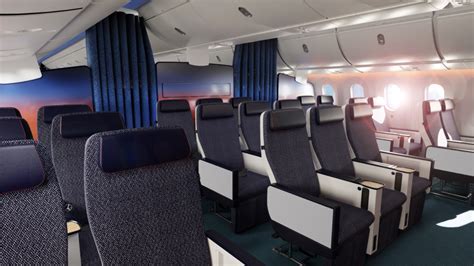
Despite being the smallest member of the Dreamliner family, the 787-8 delivers the same hallmark passenger experience that defines the brand. The cabin environment is engineered to reduce fatigue on long flights, a critical advantage on routes often exceeding ten hours.
Passengers benefit from larger electronically dimmable windows, higher cabin humidity, and a lower cabin altitude compared to older aircraft. These features contribute to improved comfort, especially on ultra-long sectors where jet lag and dehydration are common concerns.
Airlines can configure the cabin in two- or three-class layouts, offering competitive business class, premium economy, and economy products. While seat dimensions vary by carrier, the aircraft’s widebody design allows for modern inflight entertainment systems and generous overhead bin space.
How Airlines Deploy the Boeing 787-8 on Global Routes
The operational flexibility of the 787-8 is best illustrated by its route patterns. Airlines frequently use the aircraft to connect secondary cities directly, bypassing congested hubs and reducing travel times for passengers.
In the Asia-Pacific region, carriers such as Japan Airlines dominate high-frequency routes between major Japanese cities, demonstrating the aircraft’s adaptability even on shorter sectors. In Africa and the Middle East, the 787-8 often links distant markets to global hubs, supporting trade, tourism, and diaspora travel.
Seasonal demand fluctuations are another area where the 787-8 excels. Airlines can maintain year-round service on routes that peak during certain months, adjusting frequency rather than upgauging to larger aircraft. This flexibility supports sustainable network growth without sacrificing profitability.
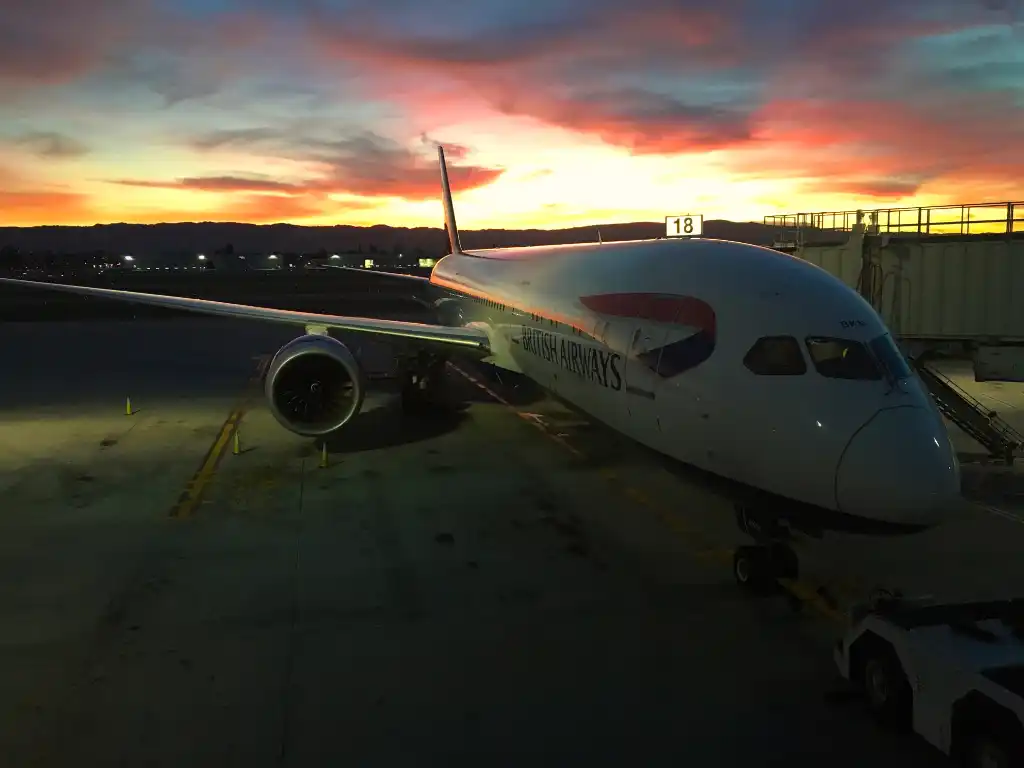
Why Airlines Continue to Choose the Smallest Dreamliner
The enduring popularity of the Boeing 787-8 underscores a fundamental shift in airline strategy. Rather than prioritizing sheer size, airlines increasingly value efficiency, adaptability, and range. The 787-8 embodies these priorities by offering widebody capability without excessive capacity.
Its ability to replace older mid-size widebodies while opening new nonstop routes makes it a cornerstone of fleet renewal programs. For airlines operating in diverse geographic and economic environments, the aircraft provides a reliable platform for long-term growth.
The Long-Term Future of the Boeing 787-8
As larger Dreamliner variants dominate new orders, the 787-8 continues to prove its relevance. Airlines are unlikely to abandon an aircraft that delivers such a precise balance of performance and economics. Instead, the smallest Dreamliner is expected to remain in service for decades, supporting evolving network strategies and passenger demand.
In a global aviation landscape defined by uncertainty and competition, the Boeing 787-8 stands as a reminder that capability is not measured by size alone. Its success lies in its ability to do exactly what airlines need: fly far, fly efficiently, and connect the world in smarter ways.