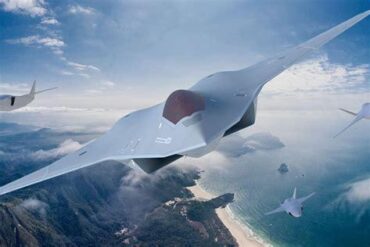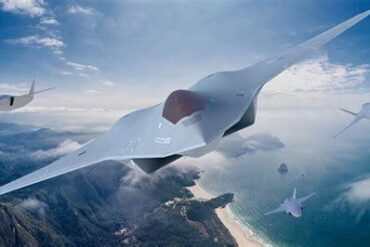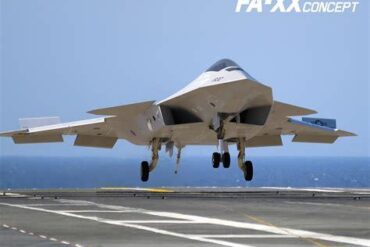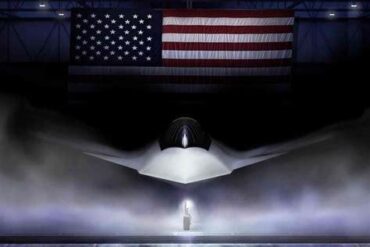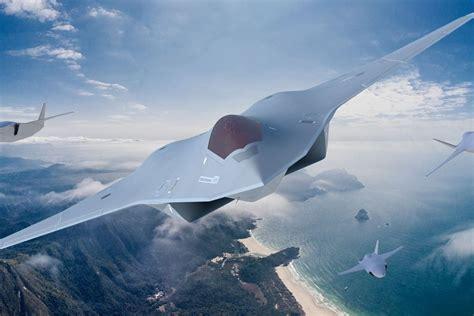
Sixth-generation fighter aircraft are often described through their most visible ambitions: extreme stealth, artificial intelligence, autonomous drone control, advanced sensors, and next-level weapons. However, behind these revolutionary capabilities lies a less glamorous but far more fundamental engineering challenge. The biggest obstacle facing every major 6th-generation fighter program may not be radar evasion or aerodynamic performance, but the ability to manage enormous amounts of heat.
The next era of air combat will demand aircraft that operate as more than traditional fighters. These platforms are expected to become flying command centers, coordinating unmanned systems, processing massive amounts of battlefield data, controlling advanced weapons, and maintaining dominance in contested airspace. Every one of these functions requires extraordinary electrical power, and generating that power creates a problem that aerospace engineers have struggled with for decades: thermodynamic management.
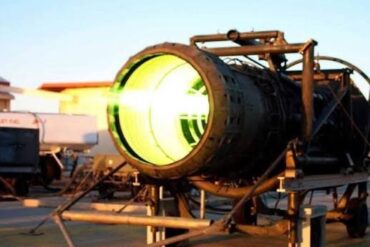
A modern fighter jet is already a highly complex heat-producing machine. A sixth-generation aircraft will push every part of that equation much further. More powerful engines, advanced computing systems, directed-energy weapons, electronic warfare suites, and sophisticated sensors will generate heat levels that previous aircraft designs were never built to handle.
Why Thermal Management Is the Hidden Challenge of 6th-Generation Fighters
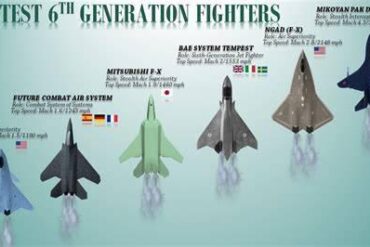
The definition of a sixth-generation fighter is still evolving, but most defense analysts agree that these aircraft will combine several revolutionary capabilities. They will need to achieve air superiority, operate with autonomous drones, maintain low observability, process enormous intelligence streams, and adapt quickly to changing threats.
Each capability introduces a significant demand for energy.
A traditional fighter aircraft primarily uses electrical power for avionics, radar, communications, and basic mission systems. A sixth-generation fighter, however, will require a completely different power architecture. Future aircraft may include directed-energy weapons, advanced electronic attack systems, powerful artificial intelligence processors, and sensors capable of monitoring large areas of the battlespace.
The electrical demand could increase dramatically compared with current fifth-generation aircraft. Yet electricity generation is never free. The more power an aircraft produces, the more waste heat it creates.
This creates a difficult engineering balance. The aircraft must generate enough energy to operate advanced systems while simultaneously preventing enemies from detecting its heat signature. In modern warfare, thermal emissions can reveal an aircraft just as radar reflections can.
A fighter that is invisible to radar but highly visible in infrared wavelengths would not achieve true stealth.
The problem becomes even harder because sixth-generation fighters are expected to have greater range than current aircraft. Longer missions require improved fuel efficiency, larger internal fuel capacity, and engines capable of operating efficiently across multiple flight conditions.
Engineers are therefore attempting to solve several conflicting requirements at once: more power, less heat, greater range, improved stealth, and future upgrade capacity.
The Common Engineering Problem Shared by Every Major Program
The United States, China, and European nations have taken different approaches to their future fighter programs, but all face the same fundamental limitation: physics.
A fighter aircraft has only a limited amount of space available for engines, fuel, cooling systems, weapons, and electronics. Increasing one capability often creates pressure on another.
For example, adding more powerful computing systems improves battlefield awareness but increases electrical demand. Increasing engine performance improves speed and range but may create additional thermal challenges. Adding more cooling equipment can solve heat problems but increases weight and reduces efficiency.
This is why sixth-generation fighter development is not simply an effort to build a better aircraft. It is an attempt to redesign the relationship between power generation, energy distribution, and heat control.
Future fighters will likely require adaptive architectures that can distribute energy intelligently depending on mission requirements. During stealth operations, the aircraft may need to reduce emissions. During combat engagements, it may require maximum available power for sensors, weapons, and electronic systems.
The ability to manage energy dynamically could become one of the defining technologies of the next generation of military aviation.
NGAD and the American Pursuit of Maximum Capability
The United States Next Generation Air Dominance (NGAD) program represents one of the most ambitious attempts to overcome these challenges. The program aims to create a successor to the F-22 Raptor with dramatically improved range, stealth, connectivity, and combat capability.
The aircraft associated with NGAD, known as the Boeing F-47, is expected to rely on a new generation of propulsion technology. Central to this effort is the Next Generation Adaptive Propulsion (NGAP) program, which involves competing engine designs from General Electric and Pratt & Whitney.
Unlike traditional fighter engines, these future engines are expected to use adaptive cycle technology. This means they can change operating characteristics depending on flight conditions, improving fuel efficiency, power output, and thermal performance.
The challenge is that revolutionary engines take time to mature.
A sixth-generation fighter airframe can be designed and tested, but without the right propulsion system, many of its intended capabilities cannot be fully achieved. Engine technology remains one of the slowest and most difficult areas of aerospace development.
The Air Force faces a difficult decision: introduce the aircraft earlier with an existing engine or delay deployment until the next-generation propulsion system becomes available.
Using an older engine could limit the aircraft’s full potential. Waiting for a revolutionary engine could delay operational capability.
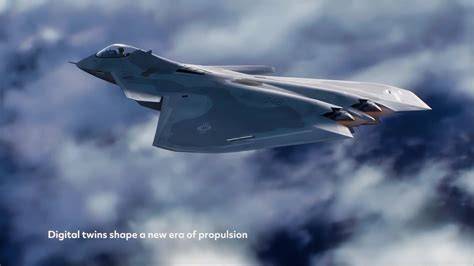
The NGAD program highlights a broader reality in military aviation. The aircraft itself is only one part of the solution. The engine, electrical system, cooling architecture, and mission computers must all mature together.
China’s Sixth-Generation Fighters Face the Engine Problem
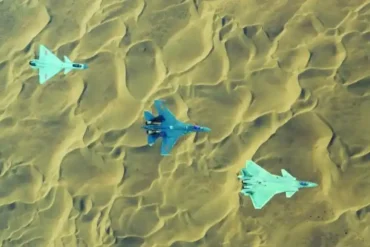
China has attracted significant attention after revealing advanced aircraft designs associated with its sixth-generation fighter ambitions. The appearance of platforms such as the Chengdu J-36 and Shenyang J-50 demonstrated China’s ability to rapidly develop large-scale aerospace prototypes.
However, prototype flight does not automatically translate into operational capability.
One of China’s long-standing challenges remains advanced military engine development. Producing a modern fighter engine requires extremely advanced manufacturing techniques, including high-temperature materials, precision turbine engineering, and advanced cooling technologies.
The J-20 stealth fighter provides an example of this challenge. Although China has made progress with the WS-15 engine program, developing engines that match the efficiency, reliability, and performance of leading Western designs remains a difficult task.
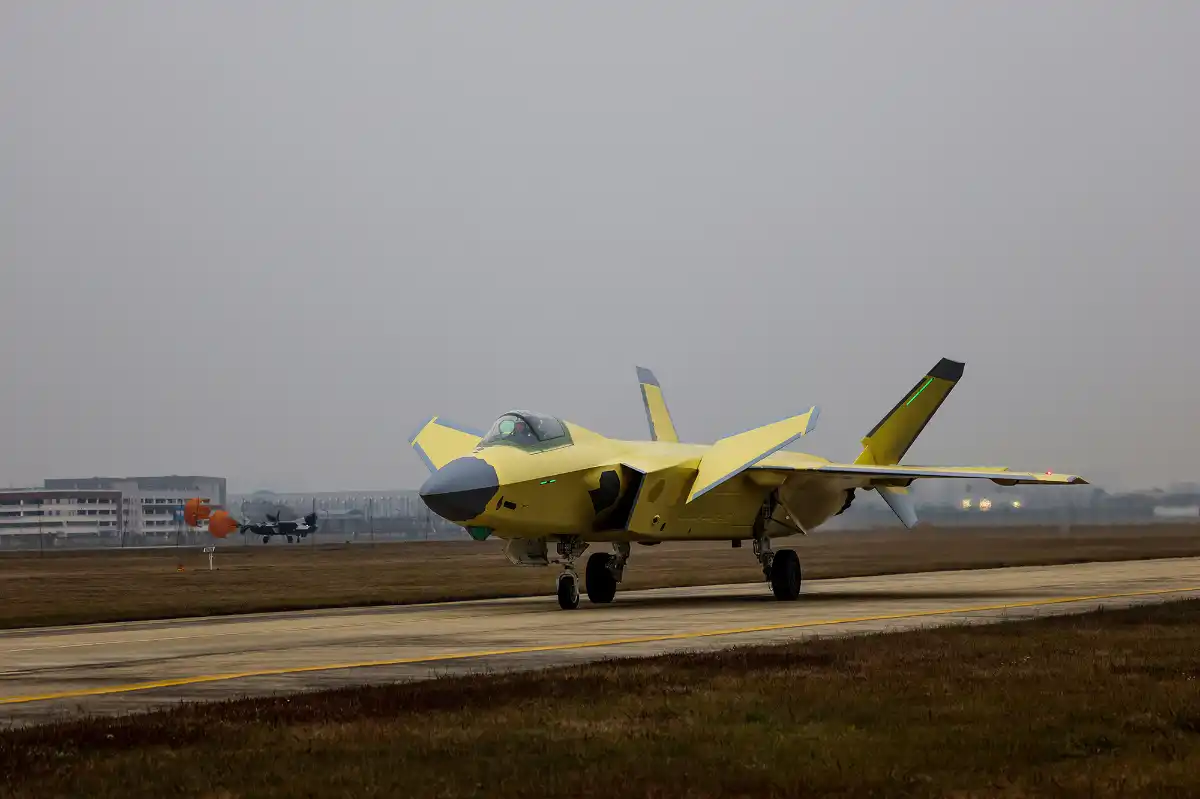
For sixth-generation aircraft, this challenge becomes even more severe. A conventional fighter engine may provide enough thrust for flight, but future aircraft require much more than thrust. They need enormous electrical output and advanced thermal management.
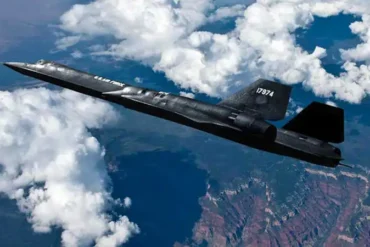
Some analysts have suggested that China may explore alternative solutions, including heat-absorbing fuel technologies inspired by concepts used on aircraft such as the SR-71 Blackbird. These approaches could help manage thermal loads by using fuel as part of the cooling process before combustion.
However, every solution introduces new engineering difficulties.
The race for sixth-generation fighters will not simply be determined by who flies a prototype first. The true winner may be the country that successfully develops reliable propulsion and energy systems capable of supporting decades of future upgrades.
Europe’s GCAP Approach: Efficiency Instead of Maximum Power
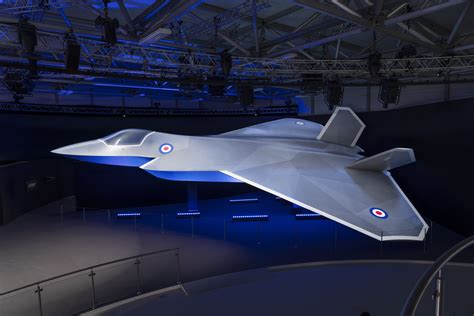
Europe’s Global Combat Air Programme (GCAP) represents another path toward sixth-generation air power. The multinational effort involving the United Kingdom, Italy, and Japan aims to develop a next-generation combat aircraft capable of competing with American and Chinese designs.
Unlike the American approach, which emphasizes achieving maximum capability through enormous technological investment, GCAP appears more focused on efficiency, adaptability, and intelligent energy management.
Companies including BAE Systems, Leonardo, and Rolls-Royce are working toward a system architecture that can balance power requirements with thermal control.
This approach reflects an important lesson from previous stealth aircraft development.
The F-35 Lightning II demonstrated that managing heat inside a low-observable aircraft is extremely challenging. The aircraft’s Pratt & Whitney F135 engine provides tremendous power, but thermal limitations contributed to difficulties as new capabilities were introduced.
Future aircraft will need propulsion systems designed from the beginning around thermal requirements rather than attempting to solve heat problems later.
Rolls-Royce’s research into advanced propulsion technologies represents an effort to create engines that are not only powerful but also better integrated with the aircraft’s entire energy system.
For Europe and Japan, the challenge is even greater because many participants have limited experience developing indigenous fifth-generation fighters. Moving directly into sixth-generation technology requires mastering decades of accumulated knowledge in stealth, propulsion, and systems integration.
Directed Energy Weapons Make Heat Management Even Harder
One of the most significant reasons thermal challenges are becoming more important is the expected introduction of directed-energy weapons.
Laser weapons have long been considered a potential future capability for fighter aircraft. They could provide nearly unlimited ammunition compared with traditional missiles, but they require enormous amounts of electrical power.
A fighter carrying a laser weapon would need not only a powerful generator but also advanced cooling systems to remove excess heat generated during operation.
This creates a cycle of increasing complexity. More powerful weapons require more energy. More energy creates more heat. More heat requires better cooling. Better cooling adds weight and consumes additional power.
Breaking this cycle will be one of the defining engineering achievements of future aerospace design.
The Future of Air Combat May Be Determined by Heat
The sixth-generation fighter competition is often presented as a battle of stealth technology, artificial intelligence, and advanced weapons. Those technologies are important, but the hidden foundation beneath all of them is energy management.
The aircraft that dominates the future battlefield may not necessarily be the fastest or the most heavily armed. It may be the aircraft that can generate, distribute, and control energy most effectively.
The United States, China, and Europe are all approaching the same problem from different directions. America is pursuing maximum capability through advanced adaptive propulsion. China is rapidly expanding its aerospace industrial base while attempting to solve engine limitations. Europe is focusing on efficient architectures and intelligent energy management.
Regardless of strategy, the engineering challenge remains the same.
A sixth-generation fighter must become a powerful computer, a stealth platform, a weapons carrier, and a battlefield command center while remaining cool enough to survive.
The future of air superiority may ultimately depend not on who builds the most impressive aircraft, but on who solves the invisible problem inside every one of them: how to control the heat created by the technologies that make them revolutionary.