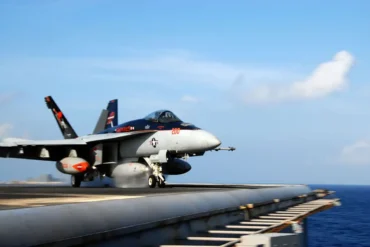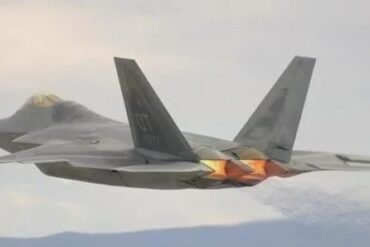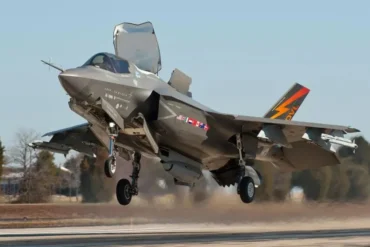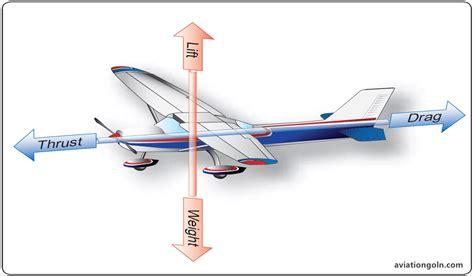
Thrust is the force that helps an aircraft move through the air by overcoming drag, which is the resistance caused by the air. To keep an aircraft flying steadily at a constant speed, it needs a constant amount of thrust. If the aircraft wants to climb or descend while maintaining the same speed, it must adjust its thrust—either increasing or decreasing it. Similarly, if the goal is to change speed while flying level, the thrust must also be adjusted accordingly.
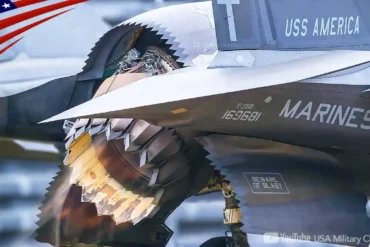
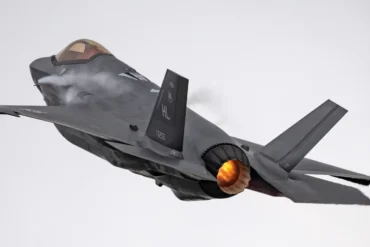
Different types of propulsion generate thrust in various ways. For instance, turbojet engines produce all their thrust from the jet efflux at the back of the engine, and they are mostly found in military aircraft today. Turbofan engines, on the other hand, create most of their thrust from a large fan at the front, with only a small portion coming from jet efflux. In turboprop engines, the majority of thrust comes from the propeller, while a little is generated by jet efflux. Finally, piston engines rely entirely on the propeller for thrust.
The power needed to create thrust depends on several factors. In simple terms, you can think of the power as being proportional to the required thrust multiplied by the speed of the aircraft. This relationship helps in understanding how different conditions affect flight performance.