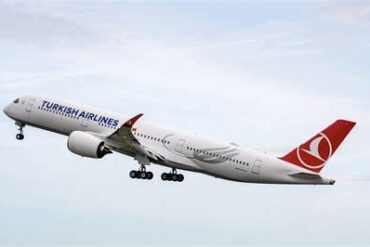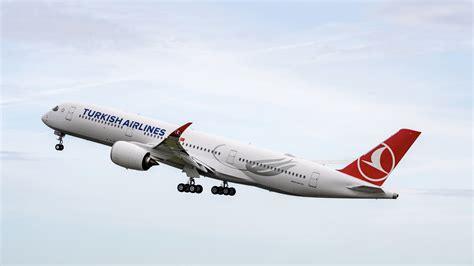
Turkish Airlines is entering one of the most ambitious chapters in its history as it prepares to launch ultra-long-haul nonstop flights to Australia using a specially configured fleet of Airbus A350-1000 Ultra-Long-Range (ULR) aircraft. The project represents far more than the addition of another long-distance route. It signals the airline’s intention to compete directly with the world’s leading premium long-haul operators while reinforcing Istanbul as one of the most strategically positioned global aviation hubs.
The carrier’s roadmap comes amid a period of unprecedented aircraft delivery delays, supply chain disruptions, and growing competition among international airlines for premium passengers. Rather than slowing its expansion, Turkish Airlines has adjusted its fleet strategy, carefully timing aircraft deliveries, redesigning premium cabins, and investing in specialized aircraft capable of operating some of the world’s longest commercial flights.
If everything proceeds according to schedule, passengers will be able to fly nonstop between Istanbul and Sydney by the end of 2027, eliminating traditional stopovers and placing Turkish Airlines among a small group of airlines capable of operating nearly 19-hour commercial services.
The initiative also supports the airline’s broader objective of operating 800 aircraft by 2033, coinciding with its centenary celebrations and cementing its status as one of the world’s largest global carriers.
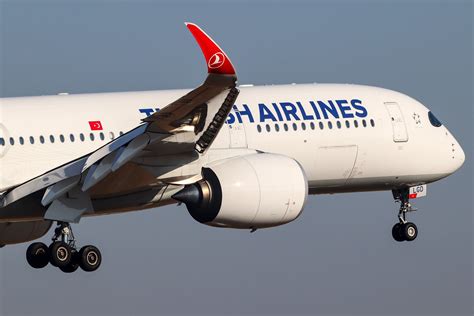
Turkish Airlines Is Building Toward an 800-Aircraft Fleet
Fleet expansion remains the foundation of Turkish Airlines’ long-term growth strategy. While many airlines have postponed expansion plans because of aircraft shortages, Turkish has continued increasing its operational fleet while carefully managing delivery schedules.
The airline has already expanded its fleet from 512 aircraft to approximately 540, with plans to reach 560 operational aircraft by the end of 2026. That gradual growth allows management to introduce new aircraft without overwhelming maintenance operations, pilot training, engineering resources, or airport infrastructure.
Instead of aggressively accepting every available delivery, Turkish Airlines has deliberately moderated the arrival of new widebody aircraft. Only three additional widebodies are expected during 2026, before deliveries accelerate significantly during the following years.
This carefully phased approach offers several advantages. It minimizes the financial burden associated with aircraft waiting for delayed cabin installations, avoids unnecessary aircraft groundings, and provides sufficient time to train pilots, cabin crews, and maintenance personnel before larger numbers of aircraft begin entering service.
From 2027 onward, deliveries become substantially more aggressive, including:
- 10 new widebody aircraft during 2027
- 17 additional widebodies during 2028
- Continued expansion toward 800 aircraft by 2033
Rather than chasing rapid expansion at any cost, Turkish Airlines is prioritizing sustainable growth backed by operational readiness.
Why Australia Is the Airline’s Ultimate Ultra-Long-Haul Destination
The most ambitious element of Turkish Airlines’ expansion strategy centers on Australia.
Currently, flights between Turkey and Australia generally require at least one intermediate stop because of the enormous distance separating the two countries. The route between Istanbul and Sydney stretches roughly 14,967 kilometers (9,300 miles), placing it among the world’s longest commercial air routes.
Traditional aircraft configurations cannot economically operate such distances while carrying commercially viable passenger and cargo loads.
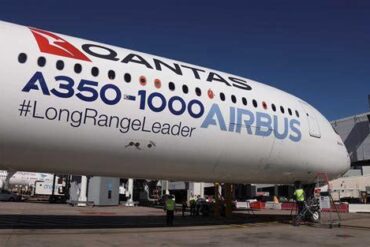
That challenge changes with the arrival of the Airbus A350-1000 ULR.
Unlike standard A350 variants, the ultra-long-range version incorporates aerodynamic refinements, additional fuel capacity, optimized weight management, and specialized performance enhancements that enable flights approaching 19 hours.
Turkish Airlines has ordered 15 Airbus A350-1000 aircraft, including eight Ultra-Long-Range variants specifically intended for these record-breaking routes.
According to the current timeline, the first aircraft should arrive in July 2027, while the third aircraft is expected before the end of the year. Having multiple aircraft available provides the operational resilience necessary for launching reliable scheduled service without risking significant disruptions.

Delivery Timeline Sets the Stage for Nonstop Sydney Flights
The airline’s ambitious schedule depends heavily on aircraft certification, manufacturing progress, and delivery timing.
Several important milestones define the program:
| Milestone | Expected Timing | Importance |
|---|---|---|
| Initial Airbus A350-1000 order finalized | December 2023 | Launches Turkish Airlines’ ULR program |
| Airbus certification testing progresses | 2026 | Validates new ultra-long-range systems |
| First A350-1000 delivery | July 2027 | Begins crew training and operational proving |
| Third aircraft delivered | December 2027 | Enables commercial launch of Sydney route |
One important variable remains certification of the new ultra-long-range configuration.
Airbus has already begun extensive testing of the modified aircraft architecture, with the first ULR testing flights taking place during 2026. The manufacturer is also preparing deliveries for other operators pursuing similar missions, including airlines planning ultra-long-range services under separate flagship projects.
Because the certification timeline affects every operator awaiting these aircraft, Turkish Airlines’ launch schedule remains closely tied to Airbus’ testing progress.
Premium Cabins Become Essential on 19-Hour Flights
Flying nearly 19 hours nonstop presents challenges that extend well beyond aircraft performance.
Passenger comfort, weight management, onboard service, crew rest facilities, galley capacity, and fuel efficiency all become interconnected engineering considerations.
Instead of maximizing passenger numbers, Turkish Airlines is intentionally reducing seating density to improve operational economics.
Its Ultra-Long-Range A350-1000 configuration will feature 66 Business Class seats, substantially more than the 48-seat Business Class cabin installed on its standard A350-1000 aircraft.
While this may appear counterintuitive, fewer economy passengers reduce total aircraft weight, allowing additional fuel to be carried within certified limits. The resulting range increase makes nonstop Australia services commercially viable.
At the same time, the larger premium cabin generates significantly higher revenue per passenger, helping offset the higher operating costs associated with ultra-long-haul flights.
This business model closely mirrors strategies successfully employed on some of the world’s longest premium-focused routes.
Crystal Business Class Suite Marks a New Premium Era
Ultra-long-haul flights demand a cabin product capable of keeping passengers comfortable for almost an entire day.
To achieve that objective, Turkish Airlines is introducing an entirely new Business Class experience developed by TCI Aircraft Interiors, the airline’s own cabin manufacturing subsidiary.
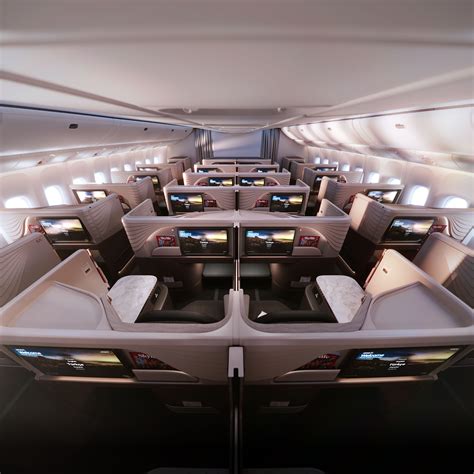
Known as the Crystal Business Class Suite, the new product replaces previous third-party seating designs and gives Turkish greater control over production schedules, certification, customization, and future upgrades.
The suite introduces several major improvements, including:
- Fully enclosed sliding privacy doors
- Direct aisle access from every seat
- Spacious 1-2-1 cabin layout
- Significantly improved personal storage
- Enhanced legroom
- Large 22-inch high-definition entertainment displays
- Modern cabin aesthetics using lighter materials and finishes
Producing the seats internally also reduces dependence on external suppliers, an increasingly valuable advantage as aviation manufacturers continue facing production bottlenecks.
The first aircraft equipped with Crystal Suites is expected to enter service during late 2026, becoming the standard Business Class product across future long-haul fleet deliveries.
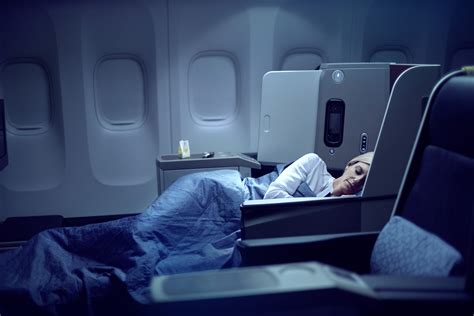
Retrofitting Boeing 777s Creates a Consistent Premium Experience
The modernization effort extends well beyond newly delivered Airbus aircraft.
Turkish Airlines also plans to retrofit its existing Boeing 777-300ER fleet, many of which currently feature an aging 2-3-2 Business Class layout that no longer meets modern premium travel expectations.
Middle-seat passengers currently lack both privacy and direct aisle access—features now considered standard among leading global airlines.
Installing Crystal Suites across the Boeing fleet will standardize the passenger experience regardless of aircraft type.
That consistency delivers several advantages.
Passengers receive the same premium experience whether flying aboard Airbus or Boeing aircraft.
Cabin crews benefit from standardized service procedures.
Maintenance teams work with common cabin components.
The airline also strengthens its premium brand identity across its global network.
Premium Economy Returns After Years Away
Another major product launch accompanies Turkish Airlines’ fleet modernization strategy.
The airline is reintroducing Premium Economy, a cabin class it discontinued years ago but now sees as essential for competing against major European, Asian, and Gulf carriers.
Industry demand has shifted considerably during the past decade.
Many travelers seek greater comfort than standard Economy offers but remain unwilling to pay Business Class fares.
Premium Economy fills that gap.
Each aircraft is expected to feature 24 to 30 Premium Economy seats, positioned within a dedicated cabin separated from Economy Class.
Passengers can expect:
- Wider leather seats
- Greater seat pitch
- Improved meal service
- Larger entertainment screens
- More personal space
- A quieter cabin environment
Business Class upgrades are scheduled to begin during 2027, while Premium Economy installations are expected to follow across the fleet during 2028.
Introducing both products simultaneously enables Turkish Airlines to strengthen every segment of its premium offering.
Operational Flexibility Supports Long-Term Growth
One reason Turkish Airlines has been able to pursue such an ambitious expansion strategy lies in the flexibility of its network.
Recent regional airspace disruptions forced significant schedule adjustments across multiple markets.
Instead of suffering major operational setbacks, Turkish Airlines rapidly reassigned aircraft to stronger-performing routes.
Approximately 6% of available seat capacity was redistributed.
Widebody aircraft shifted toward East Asian destinations experiencing stronger demand, while narrowbody fleets expanded services throughout Europe, Central Asia, and Africa.
The result was higher passenger load factors and stronger ticket yields despite external geopolitical uncertainty.
Even temporary spikes in fuel prices were largely offset by stronger revenue generation.
This operational resilience demonstrates the benefits of maintaining one of the industry’s most diversified fleets while preserving sufficient flexibility to react quickly to changing market conditions.
Why the Airbus A350-1000 ULR Could Redefine Turkish Airlines’ Global Position
The launch of nonstop Australia flights represents much more than opening another destination.
It positions Turkish Airlines within an elite category of carriers capable of connecting distant continents without intermediate stops.
Such routes attract premium corporate travelers, government delegations, high-net-worth leisure passengers, and time-sensitive business markets willing to pay for reduced travel times.
Equally important, the flights strengthen Istanbul’s role as one of the world’s leading connecting hubs, allowing passengers from Europe, Africa, the Middle East, and Central Asia to access Australia through a single global gateway.
Combined with new premium cabins, modernized aircraft interiors, expanded Business Class capacity, the return of Premium Economy, and one of aviation’s most ambitious fleet growth strategies, Turkish Airlines is laying the groundwork for a transformation that extends far beyond a single ultra-long-haul route.
If aircraft certification, deliveries, and cabin installations remain on schedule, late 2027 could mark the beginning of a new era for both Turkish Airlines and global long-haul aviation. By pairing specialized Airbus A350-1000 ULR aircraft with a carefully planned premium strategy and disciplined fleet expansion, the airline is positioning itself to compete on some of the world’s most demanding routes while advancing steadily toward its 2033 goal of operating 800 aircraft. The nonstop Istanbul–Sydney service is expected to become the flagship example of that vision—demonstrating how strategic planning, operational flexibility, and investment in next-generation aircraft can reshape an airline’s global network for decades to come.