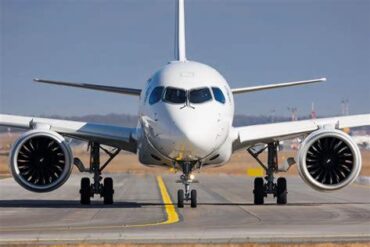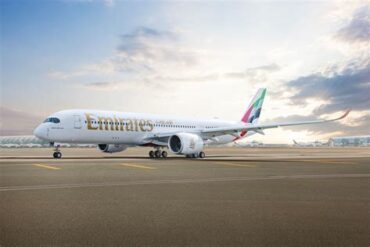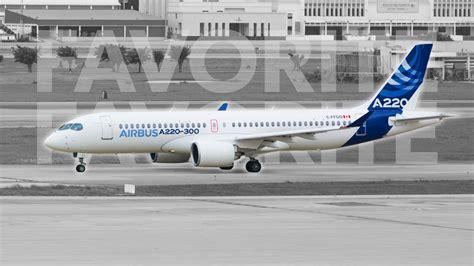
The Airbus A220 has earned a reputation as one of the most beloved modern narrow-body aircraft among pilots, thanks to a fusion of advanced engineering, thoughtful ergonomics, and flight-deck technology that feels decades ahead of its competitors. As we explore the unique pilot loyalty surrounding this aircraft, we examine its origins, operational versatility, cockpit philosophy, and why this jet continues to inspire unwavering confidence in the aviators who fly it.
The A220 began life as the Bombardier CSeries, a clean-sheet design that sought to create a new class of fuel-efficient, high-performance regional jets suited for the 100–150-seat market. That ambition lives on, enhanced by Airbus’ industrial backing, global support network, and refinements across cabin, cockpit, and maintenance systems. The aircraft is widely regarded as a pilot’s aircraft—responsive, intuitive, and remarkably forgiving while still delivering superb range and fuel performance.
Its airframe blends advanced materials, cutting-edge avionics, and an aerodynamic profile optimized for efficiency. Pilots consistently praise the platform for its balanced controls, quiet cabin, and low workload. These traits create not just operational reliability but an emotional connection—a sense of trust that leads many aviators to call the A220 one of the most enjoyable narrow-bodies ever built.
A Modern Cabin Philosophy Enhancing Aircraft Identity
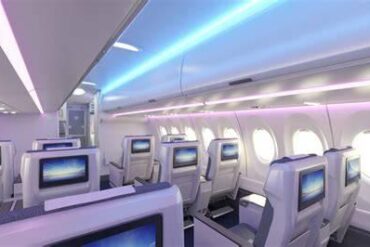
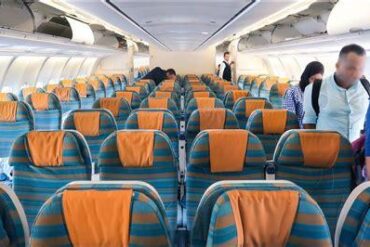
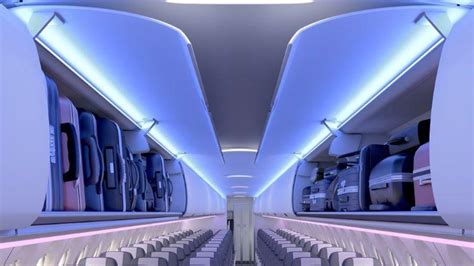
The A220’s loyalties do not live solely in the cockpit. Its identity is tied to the Airspace cabin—a bright, wide, carefully engineered interior designed to create the best passenger experience in its class. The 3-2 seating arrangement gives nearly every traveler either a window or aisle feel, while seats themselves are wider than those found on the Airbus A320 or Boeing 737 families. These small touches, collectively, strengthen pilot pride. Flying an aircraft that passengers love brings both operational and professional satisfaction.
Panoramic windows fill the cabin with natural light, enhancing both comfort and the perceived spaciousness. Customizable LED lighting eases transitions between time zones, and upgraded inflight entertainment brings a flagship-like experience to a smaller airframe. Even the lavatories include antimicrobial surfaces and touchless features. For pilots, a content cabin equals fewer disruptions, smoother flights, and a greater sense of product cohesion.
From CSeries Ambition to Airbus Leadership
The aircraft’s journey from Bombardier CSeries to Airbus A220 is central to understanding its loyal pilot following. Bombardier’s initial goal—designing a fuel-efficient, quiet, modern jet for regional and medium-haul markets—was bold and technically ambitious. The engineering foundation was solid: lightweight composites, advanced aerodynamics, and Pratt & Whitney geared turbofan engines that set new industry standards for noise and emissions.
Yet long delays, rising costs, and limited program scale left the CSeries vulnerable. Airbus’ acquisition in 2018 transformed its fate. With Airbus’ global supply chain and credibility in commercial aviation, the aircraft received not just a new name but a renewed future. Rebranded as the A220-100 and A220-300, the jet found major customers, including Delta Air Lines, airBaltic, Air Canada, JetBlue, SWISS, and Air France.
This history matters to pilots. They admire aircraft born from engineering enthusiasm rather than legacy compromise. The A220 is a clean-sheet design where every system feels intentional, coherent, and optimized for modern flying conditions.
Performance Flexibility That Expands Airline Missions
The A220’s operational range—3,600 nm for the A220-100 and 3,400 nm for the A220-300—gives airlines unexpected flexibility. It can serve short-runway, steep-approach airports such as London City with ease. It can operate thin long-range routes such as Riga to Abu Dhabi for airBaltic. It allows airlines to test new markets economically without the risk associated with larger narrow-bodies.
For pilots, this versatility means richer route variety, from high-density domestic legs to transcontinental sectors. The aircraft’s ability to handle diverse conditions while keeping performance margins generous builds a sense of trust. Pilots consistently praise its takeoff performance, precise handling during approach, and the smoothness of its flight characteristics even in gusty environments.
Fuel burn improvements—roughly 25% lower than previous-generation aircraft—strengthen its economic viability. Meanwhile, early engine reliability issues with the PW1500G have steadily improved, giving pilots the confidence they expect from a next-generation jet.

The Cockpit: Where Loyalty Is Forged
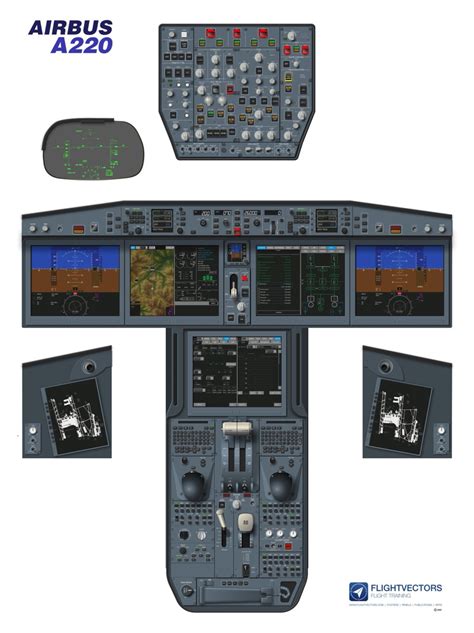
Pilot devotion to the A220 originates in the flight deck. The cockpit blends Airbus fly-by-wire philosophy with Bombardier’s human-centered design language. The result is a uniquely intuitive environment that feels familiar to Airbus pilots yet modernized in ways the A320 and A330 families can only partially match.
The Rockwell Collins Pro Line Fusion avionics suite features five 15.1-inch touchscreen displays—large, responsive, and exceptionally readable. The layout reduces clutter while expanding situational awareness. Electronic checklists streamline flows, and the Flight Management System delivers Airbus-level logic in a fresh, purpose-built interface. Pilots can manage complex tasks more smoothly and with fewer head-down moments.
One of the most celebrated features is the aircraft’s side-stick control system. The A220 offers fly-by-wire technology similar to that of the Airbus A350, giving the jet a remarkably stable and precise feel. Control laws smooth out turbulence while allowing for natural hand-flying. Many pilots describe the A220 as one of the most comfortable aircraft to hand-fly during departure and approach, praising its predictability, responsiveness, and ergonomic balance.
Advanced Materials and the Power of the Geared Turbofan
The A220’s structure combines a composite wing with an aluminum-lithium fuselage—an arrangement optimized for weight savings, durability, and aerodynamic efficiency. The carbon composite wing, thin and elegantly curved, gives the aircraft the smooth performance associated with much larger jets.
The Pratt & Whitney PW1500G geared turbofan engines are integral to its identity. Producing 23,300 pounds of thrust, these engines deliver significantly lower fuel burn while cutting noise by up to 50% compared with older regional jets. Cabin and cockpit quietness becomes immediately noticeable; pilots often remark on the low vibration levels and serene operating environment.
Lower noise levels are not merely a comfort feature—they influence fatigue, focus, and long-term operational satisfaction. A quiet cockpit contributes to why many pilots feel the A220 is an aircraft they could fly for decades without complaint.
Airline Adoption and Pilot Experiences Across the Globe
Over 455 Airbus A220s are in service worldwide, and the aircraft is used by 21 airlines on more than 1,100 routes. Major carriers—including Delta Air Lines, Air France, JetBlue, Air Canada, airBaltic, and SWISS—operate the A220 alongside larger Airbus fleets. This creates cross-fleet consistency for airline training departments while reinforcing pilot interest.
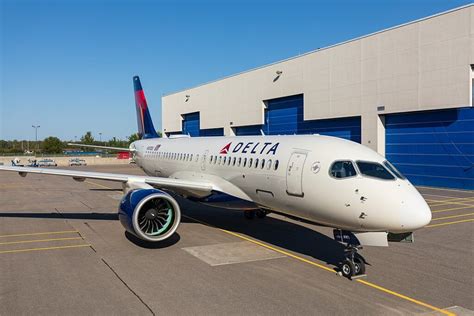
Delta Air Lines is the largest A220 operator in North America, deploying the aircraft on both domestic and transcontinental services. Pilots appreciate the aircraft’s ability to combine the fuel economy of a regional jet with the comfort and avionics suite of a modern medium-haul aircraft. Air Canada and JetBlue highlight similar benefits, noting the A220’s reliability in diverse climates—from Canadian winter extremes to Florida heat.
airBaltic, one of the earliest champions of the type, has built its entire fleet strategy around the A220. Its pilots routinely fly the jet on long-range missions to Abu Dhabi, Malaga, Lisbon, and Almaty, demonstrating the aircraft’s surprising reach.
What Pilots Appreciate Most
Pilot feedback collected across airlines reveals consistent themes. They often describe the A220 as one of the most enjoyable modern aircraft to fly, thanks to several key traits:
- A forgiving, balanced, stable flight-handling profile.
- A cockpit designed with large touchscreens, streamlined displays, and intuitive system logic.
- Low noise levels and minimal vibration, improving long-duration comfort.
- Side-stick fly-by-wire controls enabling smooth manual flying.
- Reduced workload through electronic checklists and simplified automation.
- Strong climb performance and efficient cruise behavior.
- Exceptional field performance for regional and challenging airports.
These characteristics collectively build the sense of loyalty and pride that pilots consistently attach to the A220.
The Future: Production Expansion and Long-Term Confidence
Airbus continues to scale up A220 production in response to growing demand. Though rumors persist about a potential stretched A220-500 variant, Airbus has focused on optimizing current delivery timelines while supporting airlines through an expanding maintenance infrastructure.
A future A220-500 could eventually bridge the gap between the A220-300 and the A320neo, creating a cohesive family and offering new fleet planning advantages. The PW1500G engines are already compatible with Sustainable Aviation Fuel (SAF), positioning the aircraft as a long-term contributor to global sustainability strategies.
For pilots, the A220’s trajectory suggests continuity, confidence, and expanding flying opportunities as more airlines integrate the jet into their fleets.
Final Thoughts
The Airbus A220 has earned its loyal pilot following by delivering a rare blend of efficiency, precision, comfort, modern technology, and pure flying enjoyment. It is an aircraft that elevates pilot identity and enriches daily operations with intuitive design and cutting-edge performance. As airlines expand their A220 fleets and global adoption grows, pilot enthusiasm shows no signs of slowing.
The A220’s loyalty is not accidental—it is engineered into every switch, wing curve, and line of code in its avionics. It represents the best of modern narrow-body innovation and stands poised to shape the next decade of commercial aviation.