Airbus is often spoken of as a singular industrial giant, but that perception collapses the moment you look under the wing. Airbus does not manufacture its own engines. Instead, it orchestrates one of the most complex propulsion supply networks in modern industry, relying on a small circle of elite engine makers whose technologies define performance, efficiency, and reliability across civil aviation, military aviation, and helicopters. Understanding who makes Airbus engines means understanding how modern aerospace power is distributed across borders, partnerships, and decades of engineering specialization.
At the heart of Airbus’ philosophy is modular excellence. The company designs airframes optimized to accept engines from multiple manufacturers, allowing airlines and governments to choose propulsion systems based on operating economics, mission profiles, and long-term maintenance strategies. This flexibility is not a side effect; it is a strategic advantage that has helped Airbus compete head-to-head with Boeing across every major market segment.
In commercial aviation, engine choice is often as important as the aircraft itself. Fuel burn, noise footprint, maintenance intervals, and parts availability can determine whether an airliner succeeds or quietly disappears from fleet plans. Airbus leverages this reality by partnering with Rolls-Royce, Pratt & Whitney, and CFM International, three companies that collectively dominate the global turbofan market.
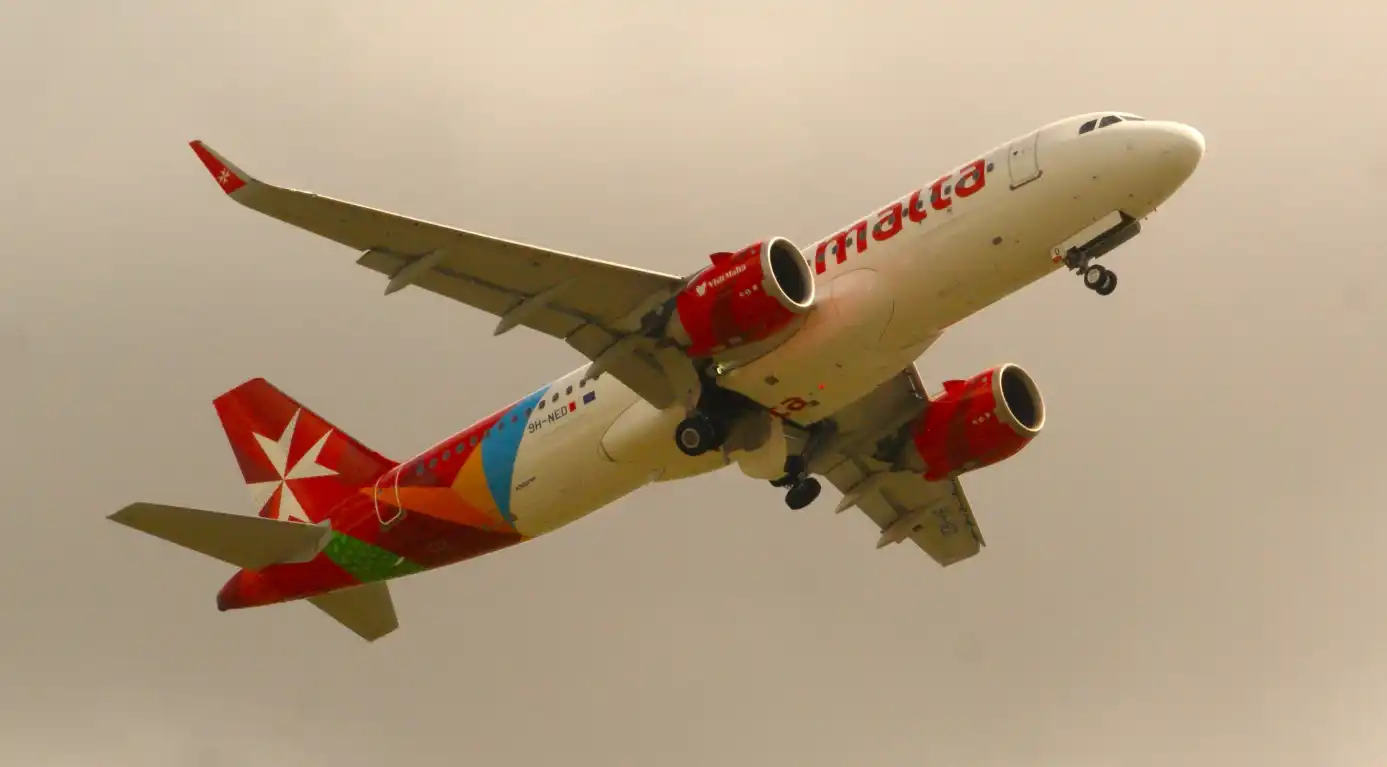
Rolls-Royce is inseparable from Airbus’ widebody identity. The Trent engine family powers some of the most recognizable long-haul aircraft in the world, including the A330, A330neo, A340, A350, and A380. These engines are engineered around three-shaft architecture, a design philosophy that prioritizes efficiency across multiple flight regimes. For airlines operating ultra-long-haul routes, the Trent’s combination of thrust stability and fuel efficiency is not a luxury; it is survival. Airbus and Rolls-Royce work in close coordination, tailoring nacelle design, airflow characteristics, and digital engine health monitoring to squeeze every percentage point of efficiency from each generation.
Pratt & Whitney plays a different but equally critical role. Historically, its engines powered aircraft such as the A300, A310, and early A320 variants. Today, its influence is most visible in the A220 and the A320neo family, where the geared turbofan architecture rewrote expectations for fuel burn and noise reduction. By decoupling fan speed from turbine speed, Pratt & Whitney enabled larger fans without sacrificing core efficiency. The result is double-digit reductions in fuel consumption and emissions, a key reason Airbus gained momentum in the single-aisle market.
CFM International, the long-standing joint venture between Safran and General Electric, completes the commercial triumvirate. Its CFM56 engines helped define the original A320’s success, while the LEAP engine family became a cornerstone of the A320neo program. LEAP engines introduced advanced composite fan blades and ceramic matrix composites in the hot section, allowing higher operating temperatures and improved durability. For airlines, CFM’s appeal lies in a balance of innovation and operational familiarity, making transitions between fleet generations less disruptive.
Military Airbus aircraft introduce different priorities. Survivability, ruggedness, and mission flexibility outweigh pure fuel efficiency, and engine choices reflect that reality.
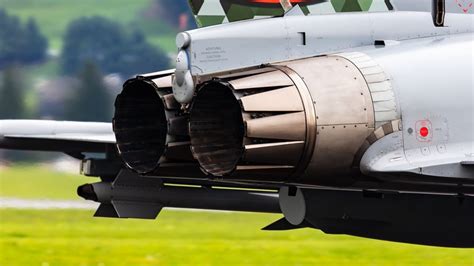
The Eurofighter Typhoon, developed by a multinational consortium with Airbus as a major partner, is powered by twin Rolls-Royce EJ200 engines. These engines are optimized for rapid throttle response, sustained supersonic performance, and combat reliability. In contrast, the A400M Atlas uses four Rolls-Royce TP400-D6 turboprop engines, the most powerful turboprops ever developed in Western aviation. This configuration allows the A400M to operate from short, unprepared runways while carrying heavy loads, a capability jet engines cannot easily replicate.
The A330 MRTT, Airbus’ aerial refueling and transport platform, stays close to its civilian roots. It relies on Rolls-Royce Trent 7000 engines, blending long-range efficiency with the reliability demanded by military operators. Meanwhile, the C295 tactical transport uses Pratt & Whitney PW127G turboprop engines, emphasizing simplicity, durability, and low operating costs for austere environments.
Airbus’ helicopter division adds yet another layer to the engine story.
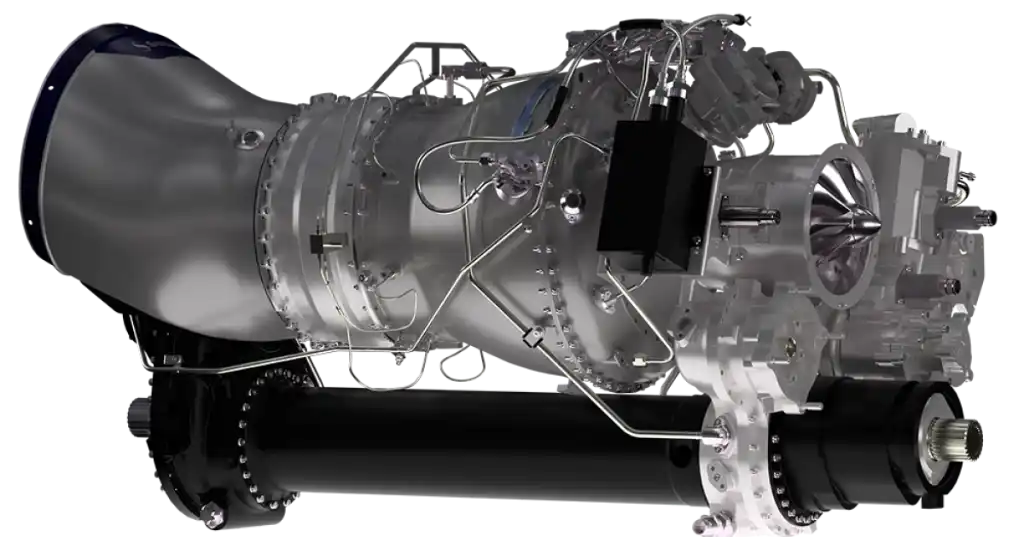
Most Airbus Helicopters models are powered by Safran Helicopter Engines, a French specialist whose turboshaft designs dominate the medium helicopter segment. Safran’s deep integration with Airbus allows for finely tuned power-to-weight ratios and thermal management, critical in hot-and-high operations such as search and rescue or offshore transport. Other helicopters in the lineup use engines from Rolls-Royce, General Electric, and Pratt & Whitney, depending on mission requirements and customer preference.
Seeing the same names repeated across commercial jets, military aircraft, and helicopters is not a lack of imagination. It is a reflection of aerospace reality. Aircraft engines are among the most complex machines ever built, and only a handful of companies possess the expertise, capital, and certification infrastructure to build them at scale. Airbus’ strength lies not in engine manufacturing, but in integration—bringing together the world’s best propulsion systems and wrapping them in airframes that define modern aviation.
The next time an Airbus lifts off, remember that its power comes from a global alliance of engineering giants. Airbus builds the aircraft, but the engines tell a deeper story about how modern flight is made possible.