The F-35 Lightning II, a cornerstone of U.S. air dominance, is under intense scrutiny following a string of high-profile crashes—the latest occurring on January 28, 2025, during a training mission over Eielson Air Force Base, Alaska. With a staggering unit cost of $82 million, each loss is not only financial but symbolic of deeper concerns surrounding this fifth-generation stealth fighter. This article investigates the underlying issues fueling these incidents, focusing especially on the Alaska crash.
The Alaska Crash: A Familiar Pattern Emerges
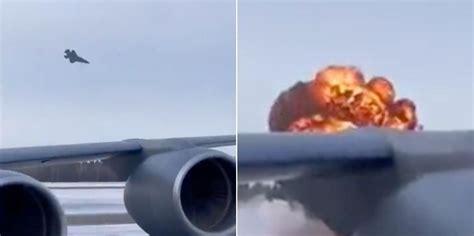
At 12:49 PM local time, the F-35A involved in the Alaska crash suffered a mid-flight malfunction, prompting the pilot to eject. The aircraft was completely destroyed on impact, igniting within the base’s perimeter. Though the pilot survived, the crash follows a concerning trend—the third such incident in under a year.

In May 2024, another F-35 crashed post-refueling in New Mexico, severely injuring its pilot. Prior to that, in September 2023, a Marine Corps F-35B crashed in South Carolina after the pilot ejected during an electronics malfunction—yet the jet continued flying autonomously for 11 minutes before crashing. These incidents suggest not isolated anomalies but a pattern of systemic vulnerabilities.
Cold Weather: A Persistent and Overlooked Threat
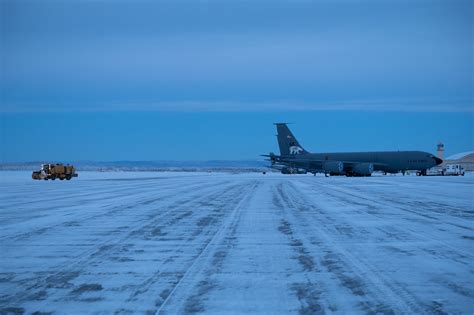
Alaska’s harsh winter climate may be a key suspect. With temperatures dipping below -30°F, thermal stress on sensitive electronics and flight control systems becomes a real danger. In 2018, F-35s stationed in Alaska experienced emergency landings due to cold-induced system errors. Lockheed Martin responded by updating the onboard software to mitigate false alarms, but this latest crash raises fears the problem persists.
Low temperatures can compromise battery heaters, sensor functionality, and flight diagnostics. The environment places exceptional strain on both the aircraft and its pilot, testing the limits of both machine resilience and human response.
A Double-Edged Sword: Digital Complexity and System Overload
The F-35 cockpit is a marvel of digital integration, replacing all traditional analog systems with touchscreen interfaces and head-mounted displays. While revolutionary, this also introduces a single point of failure. The South Carolina crash highlighted this when the pilot’s helmet display malfunctioned during a storm, causing disorientation. He followed procedure and ejected, although later investigations found the jet still flyable.
The problem lies not just in technical glitches but in how pilots interact with the F-35’s automated systems. Emergency protocols, ambiguous language in the flight manual, and information overload can quickly escalate into a loss-of-control scenario. The Alaska crash also involved an in-flight malfunction—but was it mechanical, sensor-driven, or software-related? Until the final report is released, speculation remains.
Human-Machine Symbiosis: Is the F-35 Too Much to Handle?
Advanced fighters like the F-35 demand a new breed of pilot—one who is not just skilled in aviation but adept in systems management. Pilots must interpret real-time data from multiple sources while engaging in high-speed aerial maneuvers. The learning curve is steep, and even seasoned aviators can be overwhelmed by cascading system alerts.
In Alaska, the pilot’s ejection may have been precautionary or reactionary—either way, it underscores a deeper challenge: balancing advanced automation with pilot intuition. Trusting machine logic over human instinct, or vice versa, becomes a high-stakes gamble at supersonic speeds.
Understanding the F-35 Variants: Tailored Missions, Shared Risks
The F-35 exists in three variants, each designed for specific operational theaters:
- F-35A: Conventional Takeoff and Landing (CTOL) version for the U.S. Air Force. It’s the only variant with an internal 25mm cannon, enabling close air support and ground-attack roles.
- F-35B: Short Takeoff and Vertical Landing (STOVL) version used by the U.S. Marine Corps, UK, and Italy. It operates from short runways or naval assault ships.\n- F-35C: Tailored for U.S. Navy aircraft carriers with larger wings, foldable wingtips, and reinforced landing gear for shipboard operations.
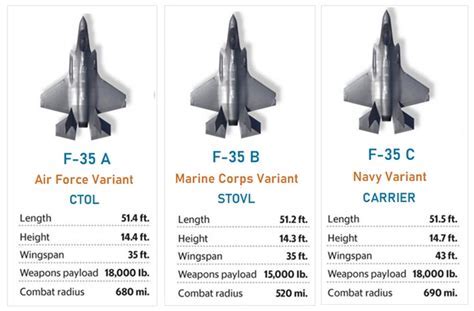
Despite these design distinctions, all three share software architecture, flight control logic, and sensor systems—meaning a vulnerability in one variant may translate to a fleet-wide issue.
The Lift Fan Miracle and Its Achilles’ Heel
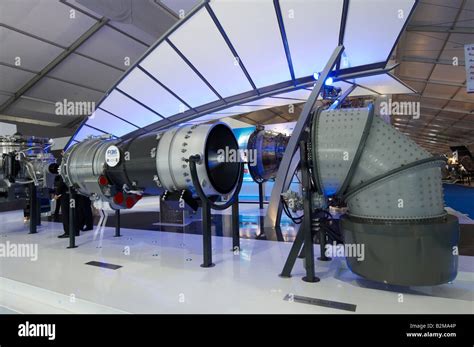
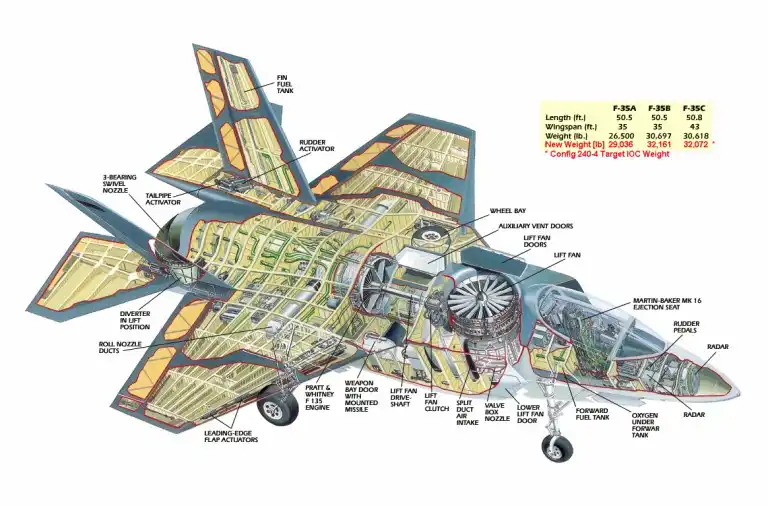
A defining feature of the F-35B is its vertical lift fan system, powered by a Rolls-Royce lift fan delivering 29,000 shaft horsepower. Working in tandem with the Pratt & Whitney F135 engine, this system allows vertical landings on confined surfaces. However, it also adds mechanical complexity, increasing the risk of component failure.
Air is drawn into an intake ramp, mixed with fuel, and ignited in a two-stage combustion cycle. The afterburner adds a boost during high-performance segments but also generates intense heat and stress on the engine’s multi-petal nozzle, potentially reducing system lifespan.
Stealth Comes at a Price: Coatings, RAM, and Radar Absorption
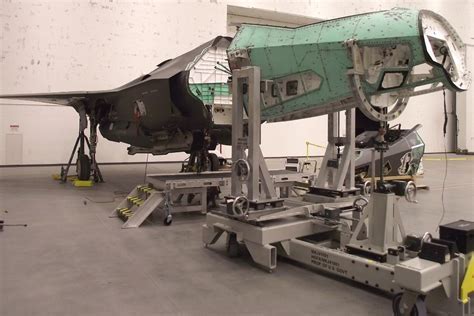
The F-35’s low observability is achieved through a series of sophisticated features: angular design, embedded sensors, internal weapon bays, and Radar Absorbing Material (RAM) coatings. These materials reduce radar signatures but are fragile, especially under extreme environmental conditions.
In Alaska’s sub-zero conditions, any micro-cracks in the RAM coating may compromise the aircraft’s stealth profile, affect aerodynamic performance, or even allow moisture to seep into avionics bays.
The $400,000 Helmet: A Technological Breakthrough or a Distraction?
Every F-35 pilot wears a helmet-mounted display system (HMDS) valued at nearly $400,000. The helmet feeds real-time data—radar, targeting, navigation—directly onto the visor. Six external cameras enable the pilot to “see through” the aircraft, offering unmatched situational awareness.
But the same helmet failed during the 2023 crash, leaving the pilot blind in combat-like conditions. Such failures can tilt decision-making from calculated responses to urgent ejections. As the F-35 integrates more data streams, even slight helmet malfunctions can disrupt operational coherence.
Engineering Marvels and Fragilities: A Paradox of Power
Beneath its carbon-fiber skin, the F-35 houses a labyrinth of sensors, fuel tanks, and cooling systems. Fuel tanks—10 in total—are strategically placed around the aircraft: one behind the cockpit, three in the fuselage, and several in the wings and vertical fins. This configuration ensures balance and performance but also complicates damage control.
Any impact, like during a crash or emergency landing, risks a fuel-fed fire—as witnessed in the Alaska crash. Even minor fuel system vulnerabilities can escalate into catastrophic losses in cold, low-oxygen environments.
Conclusion: What the Alaska Crash Really Tells Us
While the final accident report on the January 2025 Alaska crash is pending, the mounting evidence points toward a complex matrix of challenges: environmental stress, software fragility, human-machine misalignment, and technical overcomplexity. Each of these incidents chips away at the F-35’s credibility—not just as a military asset but as a symbol of defense innovation.
Until a holistic assessment of its design vulnerabilities is conducted and meaningful updates implemented, the F-35 risks becoming the most advanced aircraft that continues to crash at an alarming rate. For now, the question lingers: Are we flying too close to the future, too fast?