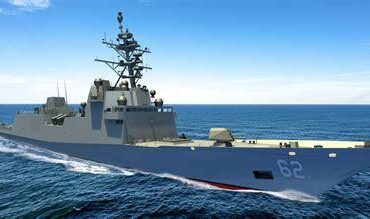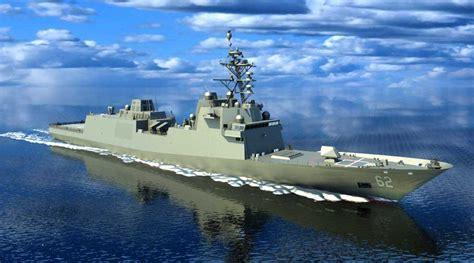
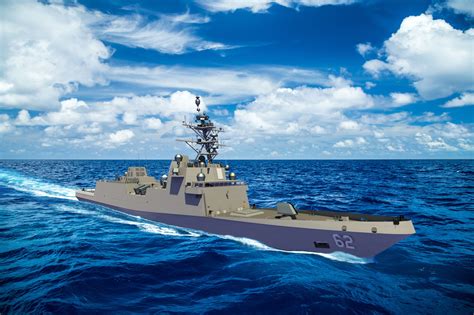
The U.S. Navy’s decision to cancel the bulk of its Constellation-class frigate program marks a pivotal shift in naval strategy and shipbuilding priorities. The move, confirmed in December 2025, terminates four planned ships before construction even began, leaving only two vessels—USS Constellation (FFG-62) and USS Congress (FFG-63)—to be completed. This change is not a step back, but rather a recalibration toward faster production, enhanced flexibility, and ultimately a stronger maritime posture.
The Strategic Decision to Cancel the Constellation Class
Announced as part of a broader defense realignment, the Constellation-class cancellation comes amidst rising concerns within the Pentagon about delays and inefficiencies in defense procurement. Defense Secretary Pete Hegseth, in remarks made in November 2025, criticized the “absence of urgency” in delivering modern U.S. military capabilities. This sentiment catalyzed a strategic pivot toward ship designs that could be built faster and at lower risk.
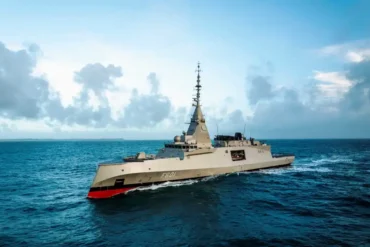
Originally based on the European FREMM frigate platform, the Constellation-class ships were supposed to be a low-risk alternative to the troubled Littoral Combat Ships (LCS). Yet the Navy’s stringent survivability and system integration requirements transformed the foreign-based design into a Frankenstein of engineering challenges. Modifications ballooned the project’s cost and timeline—delaying the first hull from 2026 to 2029 and adding an estimated $1.5 billion in unforeseen expenses.
Design Complexity and Cost Overruns
The FREMM design, while proven in European fleets, was not easily adaptable to American standards. Required changes for cybersecurity, combat systems, and survivability significantly altered the original blueprint. The program’s goal of rapid delivery was undercut by constant design tweaks and reengineering efforts. The result: ships that were 80% the cost of a destroyer but offered only 60% of its combat capability.
Congress had allocated $7.6 billion to procure six Constellation-class frigates. However, with two ships now projected to absorb nearly $2 billion of that funding, the Navy had to confront a sobering reality—continuing with the remaining four ships under current conditions made neither fiscal nor operational sense.
What Comes Next: A New Frigate and Fast-Tracked Alternatives
The cancellation does not signal the end of American frigates. On the contrary, the U.S. Navy is preparing to launch an entirely new class of American-designed frigates, driven by lessons learned from the Constellation experience. The emerging frontrunner is a design based on the Legend-class National Security Cutter, currently deployed by the U.S. Coast Guard. This design brings with it domestic familiarity, a proven hull, and fewer surprises when integrating U.S. systems.
This new ship will be part of President Trump’s Golden Fleet initiative, a comprehensive modernization campaign designed to counter naval advances by near-peer adversaries, including China’s next-generation warships. Crucially, this initiative mandates that requirements be locked in before construction starts, eliminating the design creep that crippled the Constellation program.
Accelerated Shipbuilding and International Partnerships
In tandem with introducing a new frigate, the Navy is shifting investment toward programs that deliver faster maritime capabilities. Among them are:
- The Landing Ship Medium (formerly Light Amphibious Warship)
- Large Unmanned Surface Vessels (LUSVs)
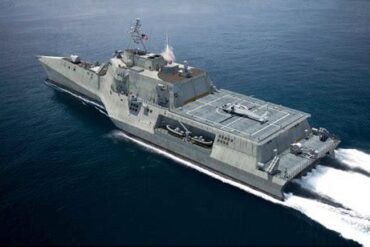
- Continued construction of the final Freedom-class Littoral Combat Ship
All these platforms are aimed at enabling distributed maritime operations and littoral zone dominance—essential for modern warfare.
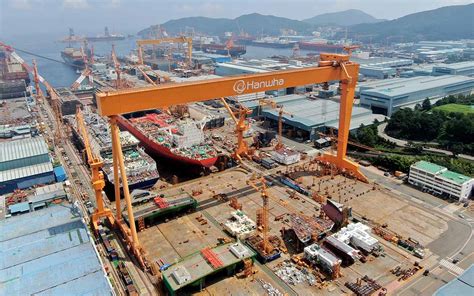
To streamline procurement, the Navy is also looking beyond its borders. Notably, South Korea’s Hanwha Ocean shipyard, certified in 2024 to build noncombat vessels for the U.S. Navy, may soon take on a more central role. Closer partnerships with Japan and South Korea, both experienced and highly efficient shipbuilders, could help overcome American industrial bottlenecks while preserving critical U.S. security interests.
Marinette’s Future and the Shift in Wisconsin
While the larger Constellation program is winding down, Fincantieri Marinette Marine will remain deeply involved in naval construction. The Wisconsin shipyard will finish the USS Constellation and USS Congress, while also completing the last Freedom-class LCS. Afterward, Marinette is expected to pivot toward supporting the Navy’s new surface warfare platforms, likely including components of the new American-designed frigate or even unmanned platforms.
This strategic redirection ensures continued employment and technical activity in the region, preserving valuable shipbuilding capacity that can be rapidly scaled up when needed.
Lessons from the Constellation Collapse
The fall of the Constellation-class program offers several critical lessons for future naval procurement:
- Design stability is non-negotiable: Locking in requirements before metal is cut is essential.
- Foreign designs introduce hidden complexities: Even when proven, non-domestic platforms often require expensive adaptations.
- Speed must not compromise capability—but neither should excessive customization stall delivery.
In a time of global tension and rapid military evolution, the U.S. Navy’s ability to build and deploy modern ships efficiently is paramount. The cancellation of the Constellation program is not a defeat but a recalibration—one that could ultimately yield a more agile, resilient, and formidable naval force.