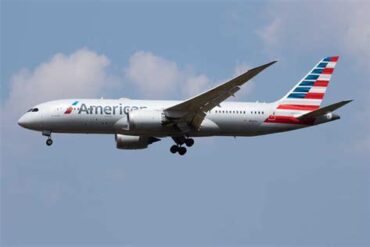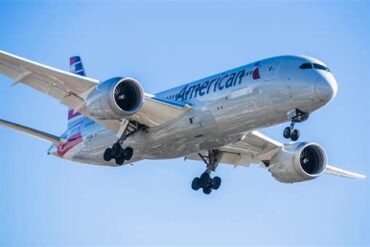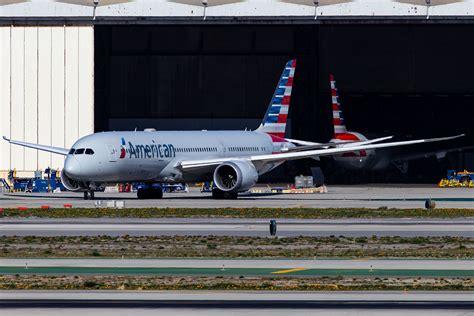
American Airlines is making another round of network adjustments, with nine routes being cut, suspended, or removed from future schedules as the carrier reshapes capacity across North America. The changes affect five international services and four domestic routes, ranging from long-established links to recently launched markets.
The latest schedule changes highlight how quickly airline networks can shift even when a route appears strategically important. American Airlines serves nearly 350 destinations and carried around 224 million passengers last year, while its current schedule represents roughly 290 million seats. Yet the scale of the network also means that underperforming routes, seasonal demand, and stronger competition can lead to rapid changes.
The airline is simultaneously adding and restoring services, including the planned return of its New York John F. Kennedy International Airport (JFK)–Seattle-Tacoma International Airport (SEA) route in April 2027, nearly eight years after it last operated. American will also introduce JFK–Bozeman Yellowstone International Airport (BZN) service in June, transferring its existing Bozeman operation from LaGuardia Airport. Against that expansion, however, nine existing routes are being removed or temporarily suspended.
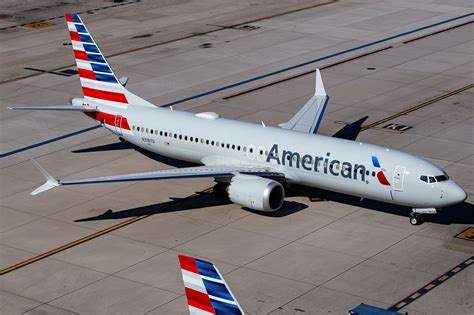
American Airlines Cuts Three Canada Routes
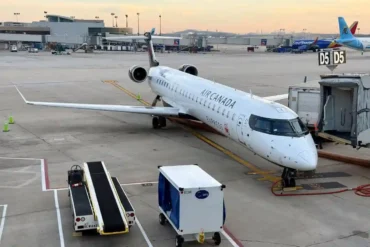
Three of the most significant changes involve Canada. American is removing its Miami International Airport (MIA)–Montréal-Trudeau International Airport (YUL) service from the schedule after January 5, 2027. The route has a long history, having originally launched in 1992, but its operation has repeatedly shifted between year-round and seasonal schedules.
American is still scheduled to operate the Miami–Montreal route from December 17 through January 5 using an Airbus A319, but there are no flights currently scheduled beyond that date. Until recently, the carrier had planned additional February and March flights followed by daily service through much of the summer, making the subsequent removal a notable reduction in planned capacity.
The airline is also canceling its JFK–Toronto Pearson International Airport (YYZ) service. American launched the route in 2023 and operated it as frequently as twice daily before suspending the service in May 2026. Although the route had been scheduled to return in April 2027, those flights have now disappeared from the schedule.
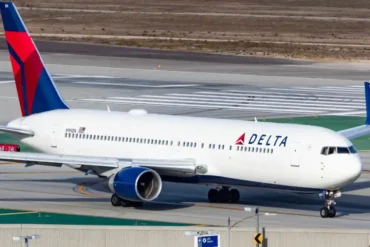
Competition is likely an important factor. Delta Air Lines operates as many as three daily flights between JFK and Toronto, giving passengers multiple options on one of the most competitive transborder markets in North America.
American is not completely abandoning Montreal, however. Its Dallas/Fort Worth International Airport (DFW)–YUL route is being temporarily suspended during part of the spring. The schedule shows no flights in November 2026 before service returns December 17 through January 5. The route is then scheduled to return May 27 with daily Airbus A320 service.
Miami–Tulum Service Will End
Mexico is also seeing significant changes. American is dropping its Miami–Tulum International Airport (TQO) route after January 5, 2027. The service is currently operating according to a seasonal pattern and is scheduled to return November 19, with another operating period beginning December 17.
After January 5, however, the route disappears from the future schedule. American will continue serving Tulum from its Dallas/Fort Worth hub, with as many as five weekly flights planned, preserving a connection to the popular Mexican destination while eliminating the Miami link.
The decision follows an earlier Tulum reduction by American. The airline ended its Charlotte Douglas International Airport–Tulum service in February 2025, less than a year after launching it. At the time, American cited excess industry capacity and an ongoing evaluation of its network.
The Miami–Tulum route also recorded a relatively modest average load factor of 77.94% for the year ending June 2026, with mainline operations performing particularly weakly. While load factor alone does not determine profitability, it can provide an important signal when an airline evaluates whether available seats are being deployed efficiently.
Charlotte–San José del Cabo Also Faces a Cut
American is also removing its Charlotte–San José del Cabo International Airport (SJD) service from its future schedule after August 2027. The route is currently on a seasonal pause and is expected to return in November, although the upcoming schedule contains only scattered operations.
The final scheduled flight is currently August 7, 2027. Traffic performance provides another indication of why the route may be receiving closer scrutiny, with an average load factor of 73.69% during the 12 months ending June 2026.
For American, the changes illustrate the difficulty of balancing seasonal leisure demand against the need to keep aircraft productive throughout the year. Routes to resort destinations can perform well during peak travel periods but become less attractive when demand falls sharply.
Four Domestic Routes Are Also Changing
American’s remaining changes are domestic, and several involve routes with comparatively weak traffic performance or significant competitive pressure.
The Dallas/Fort Worth–Albany International Airport (ALB) route has already ended, with its last operation on September 7. The service was a summer seasonal route that operated as frequently as daily. Its removal represents another example of American adjusting capacity once seasonal demand has passed.
The Chicago O’Hare–Lincoln Airport (LNK) route is being removed particularly quickly. American launched the service in June 2026, marking its return to Lincoln after approximately 20 years. The carrier had positioned Lincoln as an underserved mid-sized market and connected it with three hubs: DFW, ORD, and Phoenix.
However, the Chicago route faced overwhelming competition from United Airlines, which operates as many as five daily flights. Traffic data for the 12 months ending June 2026 indicated approximately 65 passengers traveled each way per day on the market, while American held only about 2% of the traffic compared with roughly 98% for United.
American’s single daily flight therefore had little opportunity to establish a meaningful share of the market. The route covers approximately 465 miles (748 kilometers), making frequency and schedule convenience especially important for passengers choosing between competing airlines.
Phoenix–Provo Route Is Also Ending
American is also removing its Phoenix Sky Harbor International Airport (PHX)–Provo Airport (PVU) service. The route currently operates once daily and is scheduled to continue through January 5, 2027, after which it will disappear from the schedule.
The route’s average load factor was only 67.99% for the year ending June 2026, one of the weaker figures among the affected services. That level of seat utilization does not necessarily mean the route was unprofitable, but it suggests American had limited demand relative to the capacity being offered.
The airline is nevertheless scheduled to maintain its broader presence in Utah through other network options, while its Phoenix hub remains an important connecting point for destinations throughout the western United States.
Washington National–Hilton Head Gets a Temporary Suspension
The final change is different from the permanent cuts. American is temporarily suspending its Washington Ronald Reagan National Airport (DCA)–Hilton Head Island (HHH) service from November through April 5, 2027.
The route operates once daily, but historical load factors have been relatively low. Flights operated by Republic Airline averaged only 52.16%, while services operated by Envoy Air averaged 63.36% during the 12 months ending June 2026.
Rather than removing the route permanently, American is taking a seasonal approach, allowing it to return when demand conditions become more favorable.
What the Nine Route Changes Mean for American Airlines
Taken together, the nine changes show that American Airlines is not simply shrinking its network. Instead, the carrier is redistributing capacity toward markets where it sees stronger strategic value, while trimming services that face weak demand, intense competition, or unfavorable seasonal economics.
The simultaneous return of JFK–Seattle and launch of JFK–Bozeman demonstrate that American continues to pursue growth in selected markets. At the same time, the removal of Miami–Montreal, JFK–Toronto, Miami–Tulum, Charlotte–San José del Cabo, Dallas/Fort Worth–Albany, Chicago–Lincoln, and Phoenix–Provo shows that network growth increasingly depends on making room for routes capable of generating stronger returns.
For passengers, the changes mean that several city pairs will require alternative connections or different airlines from 2027 onward. For American, however, the adjustments represent a familiar airline strategy: capacity is constantly moved toward the markets where aircraft, schedules, and passenger demand are most likely to work together.